


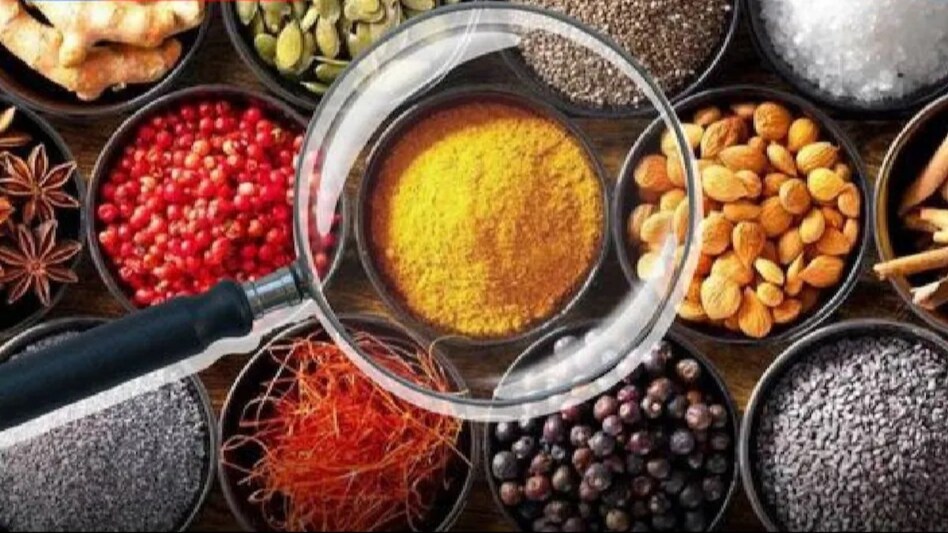
 India exported about 14.15 million tonne of spices in FY24 and “200 kg is a small quantity that has been recalled
As Indian spices exports face global scrutiny, the commerce ministry on Wednesday said that rejection rates for these items are low. It also stated that export sample failures for India exports remains significantly low and underlined that such incidents are one off in nature.
“The rejection rate of spices is less than 1% of the total quantity exported by us to major jurisdictions,” said a top commerce ministry official, noting that the ministry monitors all recall and rejection data.

 BT Big Story: The price tag of UPI: Will small shops go back to cash?
 Trump-Xi meet: Warm words, sharp divide on AI as US-China moves into ‘superintelligence’ age
 Insurance commission caps: What happens to your policy when the seller earns less?
 '6 crore shopkeepers, traders impacted': Trade body urges Nirmala Sitharaman to roll back UPI MDR
 SEBI allows PMS exposure to foreign securities: What products can clients access?
 Meta’s New Gadgets: Camera-Free Glasses, VR Eyewear And AI Handheld Device Unveiled
  MDR Levy: Will Retail Trading Volumes Take A Hit? | NSE Chairman Srinivas Injeti
 NSE Lists At ₹1,800: Exclusive Post-Listing Interview With India's Largest Exchange
 From Mobile Trading To AI: How NSE Plans To Protect Market Integrity
 NSE On India’s Capital Markets Growth | IPOs, REITs, InvITs And More
 SEBI allows PMS exposure to foreign securities: What products can clients access?
 SEBI's settlement rules set for a big revamp; experts call for balance between speed and accountability
  BTTV Exclusive: Ashishkumar Chauhan explains why NSE went public now
 SEBI rewrites PMS rulebook, allows IPO, foreign securities and unlisted debt investments
 HSBC plans India equity broking return amid IPO boom, says report
 LPG, CNG, PNG prices today (September 25): Check latest rates in Delhi, Mumbai, Kolkata, other citiesTrump-Xi meet: Warm words, sharp divide on AI as US-China moves into ‘superintelligence’ age'6 crore shopkeepers, traders impacted': Trade body urges Nirmala Sitharaman to roll back UPI MDR
 Quote of the Day by Anand Mahindra: 'It is imperative for us to protect the flora and fauna around us'
 Petrol, diesel prices today, September 25: Check latest rates in Delhi, Mumbai, Chennai, Kolkata & more












