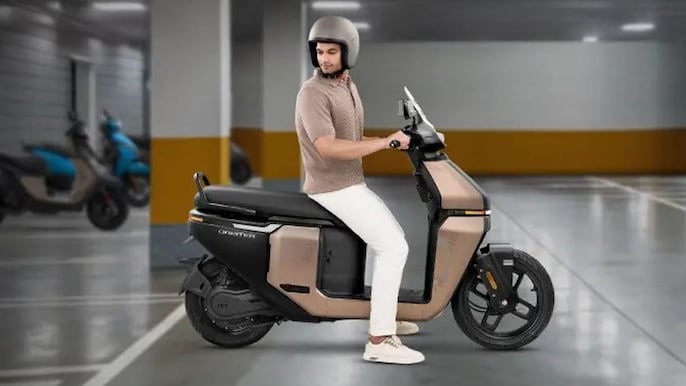
Budget disruptor
An electric scooter for under ₹50,000? TVS Motor's Orbiter is attracting attention with its entry-level pricing and a claimed running cost of just ₹20 for 92 km. The Orbiter V1 starts at ₹49,999 under the Battery-as-a-Service (BaaS) model, while its regular ex-showroom price is ₹85,500. But there's a crucial difference between these two prices that buyers shouldn't overlook.
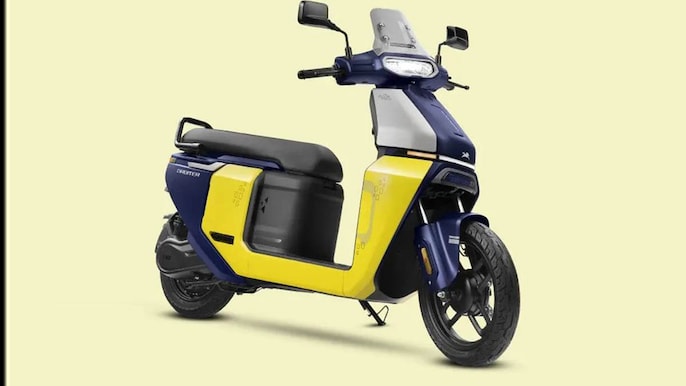
Range surprise
TVS Orbiter is challenging the idea that affordable electric scooters must compromise on range. The Orbiter V1 packs a 1.8 kWh battery with a claimed range of 92 km, while the V2 offers a larger 3.1 kWh battery and a claimed range of 158 km. Buyers also get multiple colour options. But how far these scooters actually travel will depend on riding conditions and usage.
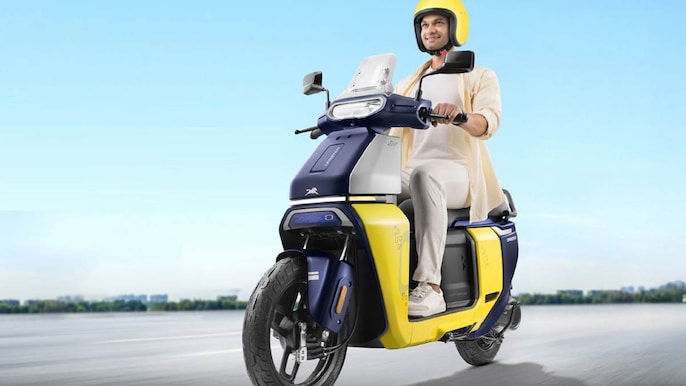
Sales surge
TVS Motor's Orbiter is quietly gaining ground in India's electric scooter market. The company sold 17,027 units in September 2026, placing it close to Ather Rizta's sales figures, according to the supplied sales data. With TVS already leading overall electric scooter sales in India through its iQube, the Orbiter could become another important product in its growing EV portfolio.
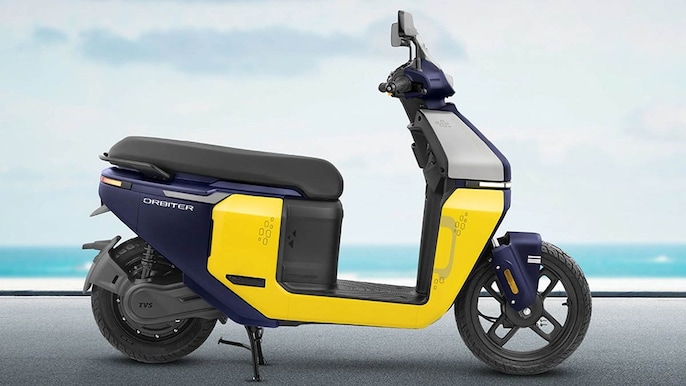
Charging maths
Imagine travelling 92 km on an electric scooter for around ₹20 in electricity costs. That's the running-cost estimate highlighted for the TVS Orbiter V1, based on a charging rate of ₹10 per unit and approximately 2 units of electricity. However, the actual cost and range will vary with electricity tariffs, charging losses and riding habits. The low running-cost estimate is attractive, but the battery ownership model could be just as important when calculating long-term savings.
 Samvat 2083: What Will Bring FIIs Back To Indian Markets Amid Oil And Geopolitical Risks?
 Samvat 2083 Outlook: Can Indian Markets Turn Around After A Disappointing Year For Investors Ahead?
 INDIA Bloc vs BJP: Rahul, Mamata, Akhilesh Intensify ‘Vote Chori’ Battle
 BS6 Vehicle Checks Begin At Delhi Borders As Capital Steps Up Pollution Fight | Ground Report
 Rahul Gandhi Vs Sambit Patra: ‘Vote Chori’ Row Escalates After INDIA Bloc Rally