


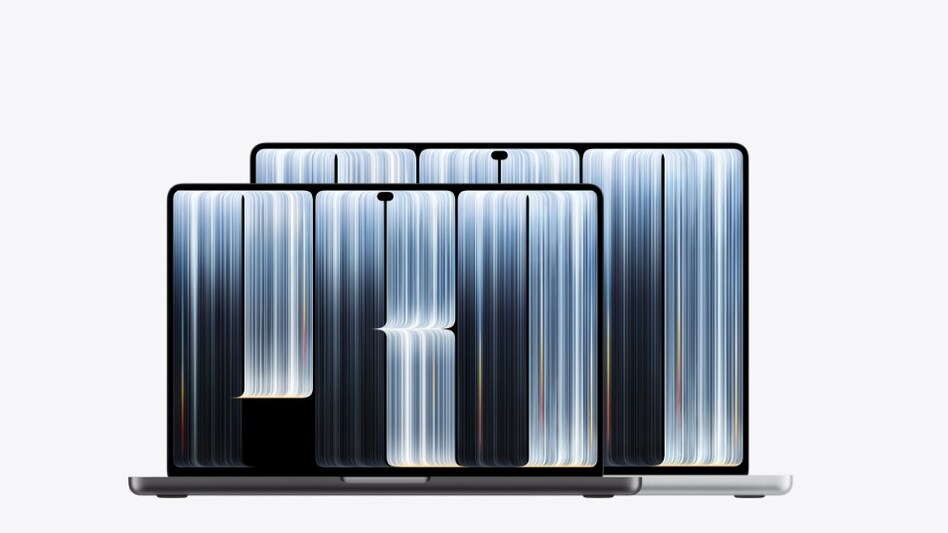
 PROLED MacBook Pro
In 2010, Apple’s former CEO Steve Jobs believed that touchscreens on Macs would be ergonomically terrible. In 2026, that verdict has been overturned under the new CEO, John Ternus. The new MacBook Pro, Apple’s first with a touch display, arrived on October 28 with a bold claim attached: “the world’s best display in a Pro laptop.” But changed in sixteen years?
Ternus was appointed Apple CEO in September 2026, and in just two months, he is making his mark through a series of hardware launches, including the touch MacBook Pro and iPhone Duo, highlighting that the idea of physical devices remains central to Apple’s business, while the tech industry is focusing heavily on AI.

 Property, stocks & bonds: BlackRock sees 4-fold jump in Indian household investments by 2035
 LTCG tax cut ahead? History, India-China-Korea comparison and Jefferies' top stock picks
 BT Explainer | Mutual fund direct plans to become default on AMC apps from November 1: What investors need to know
 Shapoorji Pallonji Group seeks $200 million in private credit to ease debt burden: Report
 BT BIG STORY | More sales, less profit: FMCG's margin trap
 Israel Election: Can Arab Parties’ 19 Seats Decide Netanyahu And Eisenkot’s Political Fate?
 Operation Sindoor Showed India's Resolve Against State-Sponsored Terror: Rajnath Singh
 U.S. Fed Holds Rates At 3.75%-4% | Kevin Warsh Warns Inflation Remains Elevated | FOMC
 Large Cap Stocks: Banks, Pharma And Consumer Staples Attractive Buys After The Market Correction?
 Rupee Outlook: Can The Indian Currency Recover To 92 Against The Dollar As Oil Prices Ease?

 Airtel, ICICI Bank, L&T, Titan, Dee Development among brokerage's top Diwali 2026 picks
 Indian Hotels: Tata Group multibagger hits 52-week high; more upside likely?
 Vedanta Aluminium shares: VAML falls post Q2 but analysts see up to 58% upside
 YES Bank shares sink 26% in a month as SC ruling on Rs 8,415-crore AT1 bonds raises concerns
 Bandhan Bank stock gets upgrade from Nuvama, Jefferies trims price target post Q2 earnings Airtel, ICICI Bank, L&T, Titan, Dee Development among brokerage's top Diwali 2026 picksShapoorji Pallonji Group seeks $200 million in private credit to ease debt burden: ReportIndian Hotels: Tata Group multibagger hits 52-week high; more upside likely?Vedanta Aluminium shares: VAML falls post Q2 but analysts see up to 58% upside
 SpiceJet’s market share drops from 3.9% to 0.6% in nine months, falls below Star Air for the first time













