
India's next road safety upgrade? Govt proposes mandatory V2V systems for vehicles from 2028
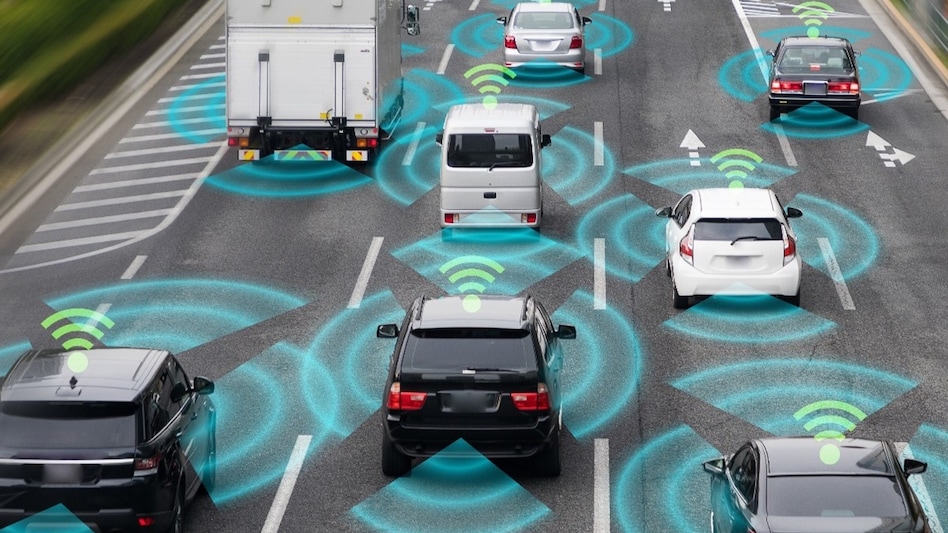
Unlike conventional safety technologies that rely mainly on cameras, radars and driver response, V2V communication extends beyond the driver's line of sight.
- Aug 3, 2026,
- Updated Aug 3, 2026 8:03 PM IST
India is preparing for a major shift in automotive safety, with the government proposing to make Vehicle-to-Vehicle (V2V) communication systems mandatory in new vehicles.
The move is aimed at enabling cars, buses, trucks and two-wheelers to exchange real-time information that could help prevent collisions, warn drivers of hazards before they are visible, and lay the foundation for a connected transportation ecosystem.
The Ministry of Road Transport and Highways (MoRTH) has issued a draft notification proposing amendments to the Central Motor Vehicles Rules, 1989, for the phased implementation of V2V communication systems in motor vehicles.
What is V2V communication?
Vehicle-to-Vehicle (V2V) communication allows nearby vehicles to wirelessly exchange critical information such as speed, position, direction and acceleration. By constantly sharing this data, vehicles can alert drivers — or onboard safety systems — to potential dangers before they become immediately visible.
Unlike conventional safety technologies that rely mainly on cameras, radars and driver response, V2V communication extends beyond the driver's line of sight. A vehicle can receive warnings about sudden braking several cars ahead, an approaching emergency vehicle, a vehicle travelling in the wrong direction or an unsafe lane change, even if these hazards are hidden by traffic or road curvature.
The technology is expected to complement Advanced Driver Assistance Systems (ADAS) while supporting the next generation of connected and intelligent mobility.
Phased rollout begins in 2027
The ministry has proposed a two-stage implementation roadmap for vehicles in categories L, M and N, covering two-wheelers, passenger vehicles and commercial vehicles.
Under the proposal:
- From October 1, 2027: Vehicles fitted with V2V communication systems must comply with the AIS-230 standard.
- From October 1, 2028: All newly manufactured vehicles in these categories must be equipped with V2V communication systems conforming to AIS-230.
According to the ministry, the staggered timeline is intended to give automobile manufacturers and other stakeholders sufficient time to prepare for the transition.
What is AIS-230?
AIS-230 is India's new technical standard for Vehicle-to-Vehicle communication systems. It establishes the minimum technical, functional, environmental, performance and cybersecurity requirements for V2V technology operating on Indian roads.
The standard is designed around factory-installed On-Board Units using Cellular Vehicle-to-Everything (C-V2X) technology in the 5.875 GHz to 5.925 GHz frequency band.
The Department of Telecommunications had earlier exempted the use of this spectrum from licensing requirements through G.S.R. 466(E) dated June 10, 2026, paving the way for wider deployment.
AIS-230 specifies requirements covering:
- Radio performance and frequency stability
- Receiver sensitivity and selectivity
- Global Navigation Satellite System (GNSS) positioning
- Electrical and power-supply performance
- Electromagnetic compatibility
- Cybersecurity and secure communications
- Performance standards for road safety applications
- Safety features planned under the standard
The standard also enables several connected safety applications that can be introduced in phases.
These include:
- Emergency Brake Alert
- Forward Collision Warning
- Wrong-way Driving Alert
- Emergency Vehicle Alert
Collectively, these features are intended to improve situational awareness and provide drivers with earlier warnings during safety-critical situations.
Foundation for connected mobility
The proposal follows recommendations made by a government-appointed Task Force on Intelligent Transportation Systems (ITS), which advocated adopting the 5.9 GHz ITS/V2X frequency range to improve road safety across the country.
AIS-230 was subsequently considered by the Central Motor Vehicles Rules–Technical Standing Committee during its 56th meeting held on May 7, 2026, before being proposed as the technical basis for nationwide implementation.
If adopted, the framework will mark one of India's biggest regulatory steps toward connected vehicles. Beyond enhancing road safety, it is expected to support future intelligent transport applications, strengthen vehicle situational awareness and reduce accident risks through real-time communication between vehicles.
The draft notification has now been placed in the public domain for consultation. The ministry will examine suggestions and comments received within 30 days before issuing the final notification.
India is preparing for a major shift in automotive safety, with the government proposing to make Vehicle-to-Vehicle (V2V) communication systems mandatory in new vehicles.
The move is aimed at enabling cars, buses, trucks and two-wheelers to exchange real-time information that could help prevent collisions, warn drivers of hazards before they are visible, and lay the foundation for a connected transportation ecosystem.
The Ministry of Road Transport and Highways (MoRTH) has issued a draft notification proposing amendments to the Central Motor Vehicles Rules, 1989, for the phased implementation of V2V communication systems in motor vehicles.
What is V2V communication?
Vehicle-to-Vehicle (V2V) communication allows nearby vehicles to wirelessly exchange critical information such as speed, position, direction and acceleration. By constantly sharing this data, vehicles can alert drivers — or onboard safety systems — to potential dangers before they become immediately visible.
Unlike conventional safety technologies that rely mainly on cameras, radars and driver response, V2V communication extends beyond the driver's line of sight. A vehicle can receive warnings about sudden braking several cars ahead, an approaching emergency vehicle, a vehicle travelling in the wrong direction or an unsafe lane change, even if these hazards are hidden by traffic or road curvature.
The technology is expected to complement Advanced Driver Assistance Systems (ADAS) while supporting the next generation of connected and intelligent mobility.
Phased rollout begins in 2027
The ministry has proposed a two-stage implementation roadmap for vehicles in categories L, M and N, covering two-wheelers, passenger vehicles and commercial vehicles.
Under the proposal:
- From October 1, 2027: Vehicles fitted with V2V communication systems must comply with the AIS-230 standard.
- From October 1, 2028: All newly manufactured vehicles in these categories must be equipped with V2V communication systems conforming to AIS-230.
According to the ministry, the staggered timeline is intended to give automobile manufacturers and other stakeholders sufficient time to prepare for the transition.
What is AIS-230?
AIS-230 is India's new technical standard for Vehicle-to-Vehicle communication systems. It establishes the minimum technical, functional, environmental, performance and cybersecurity requirements for V2V technology operating on Indian roads.
The standard is designed around factory-installed On-Board Units using Cellular Vehicle-to-Everything (C-V2X) technology in the 5.875 GHz to 5.925 GHz frequency band.
The Department of Telecommunications had earlier exempted the use of this spectrum from licensing requirements through G.S.R. 466(E) dated June 10, 2026, paving the way for wider deployment.
AIS-230 specifies requirements covering:
- Radio performance and frequency stability
- Receiver sensitivity and selectivity
- Global Navigation Satellite System (GNSS) positioning
- Electrical and power-supply performance
- Electromagnetic compatibility
- Cybersecurity and secure communications
- Performance standards for road safety applications
- Safety features planned under the standard
The standard also enables several connected safety applications that can be introduced in phases.
These include:
- Emergency Brake Alert
- Forward Collision Warning
- Wrong-way Driving Alert
- Emergency Vehicle Alert
Collectively, these features are intended to improve situational awareness and provide drivers with earlier warnings during safety-critical situations.
Foundation for connected mobility
The proposal follows recommendations made by a government-appointed Task Force on Intelligent Transportation Systems (ITS), which advocated adopting the 5.9 GHz ITS/V2X frequency range to improve road safety across the country.
AIS-230 was subsequently considered by the Central Motor Vehicles Rules–Technical Standing Committee during its 56th meeting held on May 7, 2026, before being proposed as the technical basis for nationwide implementation.
If adopted, the framework will mark one of India's biggest regulatory steps toward connected vehicles. Beyond enhancing road safety, it is expected to support future intelligent transport applications, strengthen vehicle situational awareness and reduce accident risks through real-time communication between vehicles.
The draft notification has now been placed in the public domain for consultation. The ministry will examine suggestions and comments received within 30 days before issuing the final notification.