
Monsoon driving tips: 5 simple ways to clean car headlights for better visibility in rain
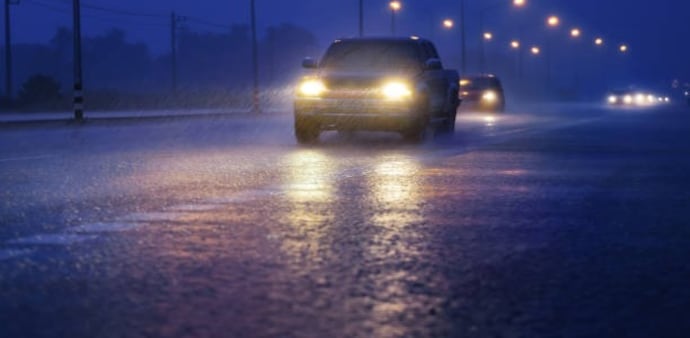
Heavy rain, road grime, insects, water spots and oxidation can quickly leave headlight lenses looking cloudy, reducing the amount of light that reaches the road.
- Aug 7, 2026,
- Updated Aug 7, 2026 7:30 AM IST
Monsoon showers may bring relief from the heat, but they also create challenging driving conditions. Reduced visibility caused by heavy rain, fog, splashing water and muddy roads can make even familiar routes more dangerous, especially after dark.
While many drivers focus on checking their wipers and tyres before the rainy season, one crucial safety feature often gets overlooked — headlights. Heavy rain, road grime, insects, water spots and oxidation can quickly leave headlight lenses looking cloudy, reducing the amount of light that reaches the road.
Even if the bulbs are functioning perfectly, dirty or hazy headlights can significantly affect visibility, making it harder to spot pedestrians, road signs and obstacles in time. Regular cleaning is a simple but effective way to improve illumination and enhance safety during monsoon and foggy weather.
Here are five simple ways to keep headlights clear:
1. Wash with mild soap and warm water: The easiest solution is often the most effective. Use warm water mixed with a few drops of mild dish soap and wipe the headlights with a soft microfiber cloth or sponge. This removes dust, mud, insects and road grime without damaging the lens.
2. Remove water spots with vinegar: Mineral deposits left behind by rainwater or hard water can create a hazy film. A solution of equal parts white vinegar and water helps dissolve these spots. Spray it on, wipe gently and rinse with clean water.
3. Use baking soda for light oxidation: If the lenses have started turning cloudy, make a paste using baking soda and water. Gently rub it onto the headlight with a soft cloth before rinsing thoroughly. This works best for mild oxidation rather than heavily yellowed lenses.
4. Clean oily residue with diluted isopropyl alcohol: Road grease and oily films can reduce light output. A diluted isopropyl alcohol solution can help remove stubborn residue, but avoid excessive use and ensure the lens is wiped clean afterwards.
5. Wipe away fresh mud immediately: Instead of letting mud dry and harden, remove it with a damp microfiber cloth as soon as possible. This prevents scratching and makes cleaning much easier.
Mistakes to avoid
- Avoid harsh household cleaners, which can damage the protective coating on plastic headlight lenses.
- Never use abrasive scrubbers or steel wool, as they can leave permanent scratches.
- Don't rely on baking soda too frequently, since repeated abrasive cleaning can wear the surface over time.
- Avoid cleaning headlights in direct sunlight, where cleaning solutions may dry too quickly and leave streaks.
- Always dry the headlights after washing to prevent water spots and residue.
If your headlights remain yellow, heavily oxidised or have moisture trapped inside the housing, simple cleaning may not be enough. In such cases, a dedicated headlight restoration kit or professional restoration is often the more effective long-term solution.
Monsoon showers may bring relief from the heat, but they also create challenging driving conditions. Reduced visibility caused by heavy rain, fog, splashing water and muddy roads can make even familiar routes more dangerous, especially after dark.
While many drivers focus on checking their wipers and tyres before the rainy season, one crucial safety feature often gets overlooked — headlights. Heavy rain, road grime, insects, water spots and oxidation can quickly leave headlight lenses looking cloudy, reducing the amount of light that reaches the road.
Even if the bulbs are functioning perfectly, dirty or hazy headlights can significantly affect visibility, making it harder to spot pedestrians, road signs and obstacles in time. Regular cleaning is a simple but effective way to improve illumination and enhance safety during monsoon and foggy weather.
Here are five simple ways to keep headlights clear:
1. Wash with mild soap and warm water: The easiest solution is often the most effective. Use warm water mixed with a few drops of mild dish soap and wipe the headlights with a soft microfiber cloth or sponge. This removes dust, mud, insects and road grime without damaging the lens.
2. Remove water spots with vinegar: Mineral deposits left behind by rainwater or hard water can create a hazy film. A solution of equal parts white vinegar and water helps dissolve these spots. Spray it on, wipe gently and rinse with clean water.
3. Use baking soda for light oxidation: If the lenses have started turning cloudy, make a paste using baking soda and water. Gently rub it onto the headlight with a soft cloth before rinsing thoroughly. This works best for mild oxidation rather than heavily yellowed lenses.
4. Clean oily residue with diluted isopropyl alcohol: Road grease and oily films can reduce light output. A diluted isopropyl alcohol solution can help remove stubborn residue, but avoid excessive use and ensure the lens is wiped clean afterwards.
5. Wipe away fresh mud immediately: Instead of letting mud dry and harden, remove it with a damp microfiber cloth as soon as possible. This prevents scratching and makes cleaning much easier.
Mistakes to avoid
- Avoid harsh household cleaners, which can damage the protective coating on plastic headlight lenses.
- Never use abrasive scrubbers or steel wool, as they can leave permanent scratches.
- Don't rely on baking soda too frequently, since repeated abrasive cleaning can wear the surface over time.
- Avoid cleaning headlights in direct sunlight, where cleaning solutions may dry too quickly and leave streaks.
- Always dry the headlights after washing to prevent water spots and residue.
If your headlights remain yellow, heavily oxidised or have moisture trapped inside the housing, simple cleaning may not be enough. In such cases, a dedicated headlight restoration kit or professional restoration is often the more effective long-term solution.