
Union Budget 2020: What to expect from Modi govt
Union Budget 2020: What to expect from Modi govt
BusinessToday.In
- Jan 21, 2020,
- Updated Jan 21, 2020 5:43 PM IST
- 1/11
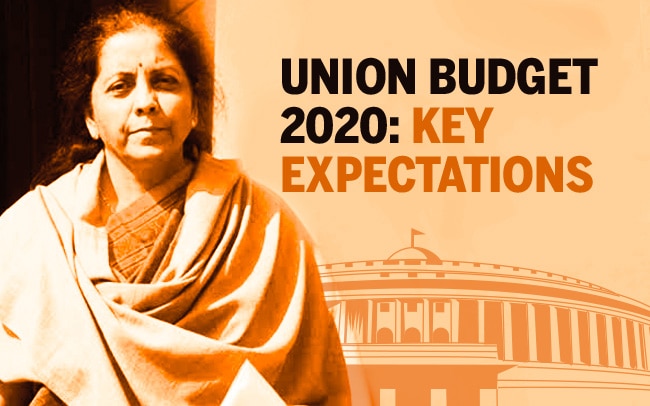
The countdown for the most awaited Union Budget 2020 has begun. From a common taxpayer to a businessman, everyone has got something that they would like to seek from Finance Minister Nirmala Sitharaman's second union budget. Indian economy, which has been facing the worst slowdown in decades needs to bring in some strong policy measures to bring the economy back on a strong footing. The problem of unemployment, inflation, weak consumption and investment, reduced demand are some challenges Sitharaman and her ministry will have to focus on as she gears up for her next budget on February 1. Here are the key expectations from Modi Government's Budget 2020.
- 2/11
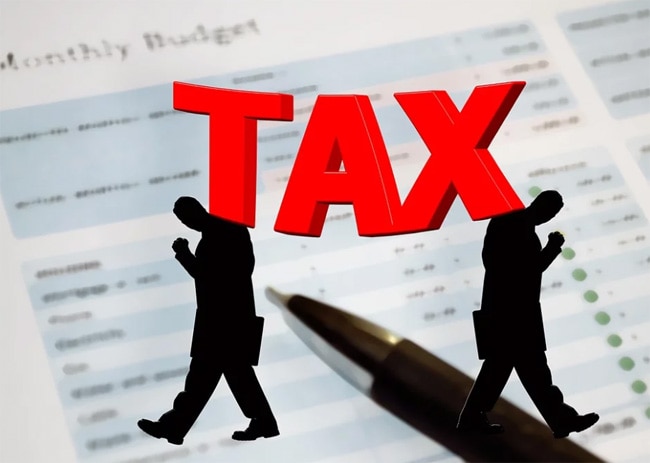
Personal income tax cutA cut in personal income tax rates is one of the most popular demands floated by salaried individuals in India. Many feel a reduction in tax outgo is the fastest way to get the economy back on track. If people save more on taxes, there is a notion that they will spend more, resulting in an uptick in demand. However, there are many economists who have argued that such a move does not guarantee a sure shot demand revival. It may also be noted that only a little over six per cent of the total population. While it is not known whether the government is planning such a move after slashing corporate tax rates as recently as last year, it would be safe to say that it trying to come up with plans to put more money in the hands of citizens.
- 3/11
Sector-specific measuresWhile there is no guarantee on whether the government will announce any deduction in personal income tax, economists say the government should focus on sector-specific measures to address challenges. SBI Chairman Rajnish Kumar also agrees that sector-specific boosters are necessary to revive overall demand growth. Kumar recently said that the government needs to take specific steps to help sectors such as real estate, telecom, discoms and non-banking financial companies.
- 4/11
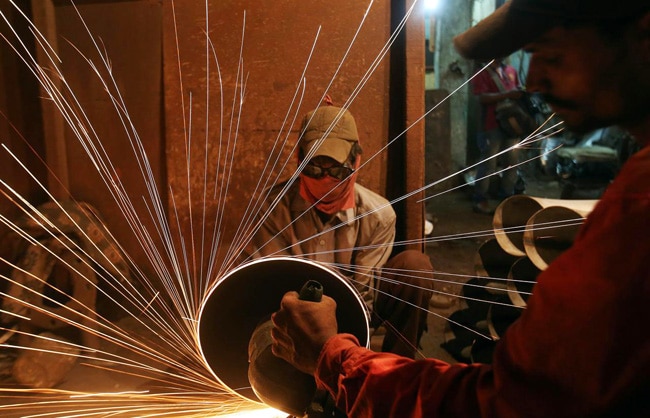
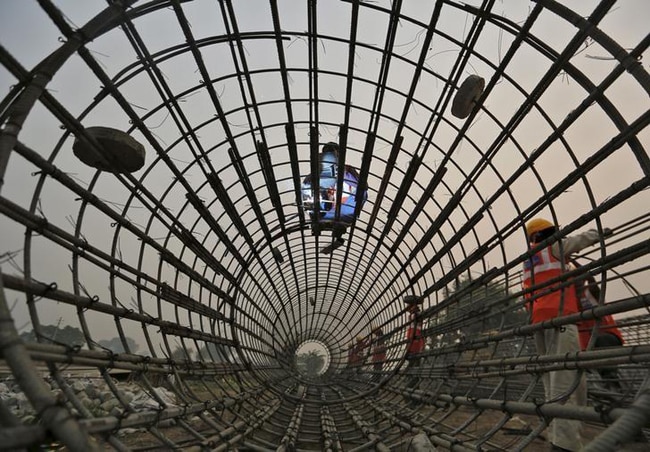
Manufacturing, infra and construction boostOfficial data released by the government showed that manufacturing is likely to grow at just 2 per cent in 2019-20, which is the lowest in the past 13 years. The construction sector, on the other hand, is expected to expand at just 3.2 per cent during the same period. This literally translates to massive losses for players in manufacturing and construction, resulting in further deterioration. While the government has already unveiled plans to boost growth in manufacturing, infrastructure and construction sectors, industry watchers expect the government to ramp up its efforts in the upcoming budget. There are many other areas where the government needs to focus on the upcoming budget, but it only has limited space to act on all the expectations. Considering the fragile growth and fiscal deficit situation, the best option for the government would be to opt for a balanced act.

- 5/11
Controlled consumer inflationAnother way in which the government can help the common man is by ensuring that inflation doesn't rise beyond a level. A 7.5% rate of consumer price inflation (CPI) is a very high rate of inflation largely because of the high prices of the vegetables and fruits in the markets. If the government can ensure the prices stay within limits, that would be a huge incentive for the common man.
- 6/11
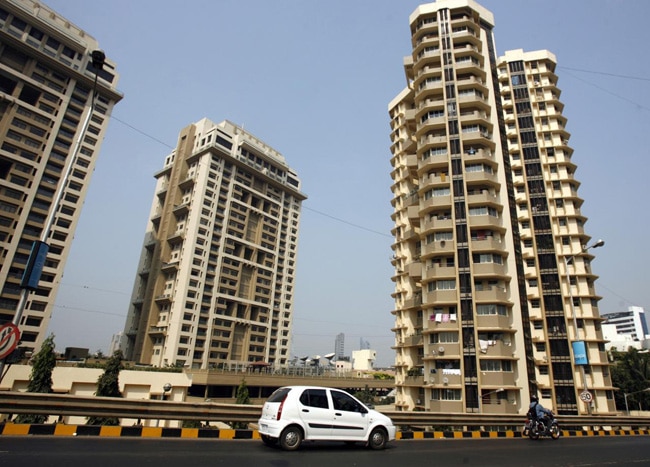
Increased tax benefits on housing schemesHousing is such a critical need that the government has been focussing on providing certain tax benefits to affordable housing earlier as well. In the last budget, FM Sitharaman had provided a Rs 1.5 lakh tax exemption to affordable houses bought under Rs 45 lakh. It is expected that this exemption limit could be raised to Rs 75 lakh this time because an individual cannot buy an affordable house under Rs 45 lakh in large metros especially in Delhi and Mumbai.
- 7/11
Low GST on consumer durables and FMCG products
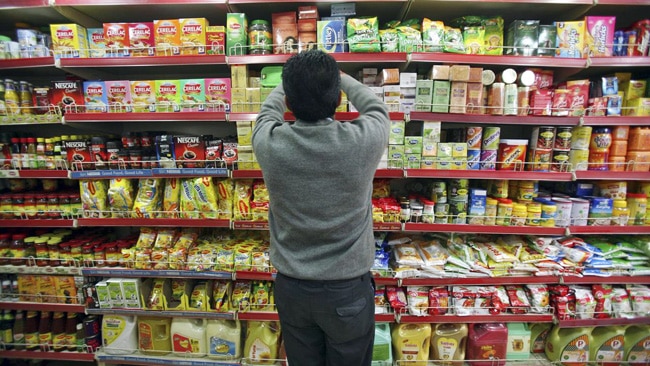
The other major expectation of the common man and the middle class is that the prices of items of daily use should be brought down to make them affordable, especially consumer durables and some FMCG products. There is also a big expectation that GST rates on some of these items would be rationalised and brought down to aid consumption. That would again be a major boost to the economy especially by aiding consumption thereby increasing demand in the economy.
- 8/11
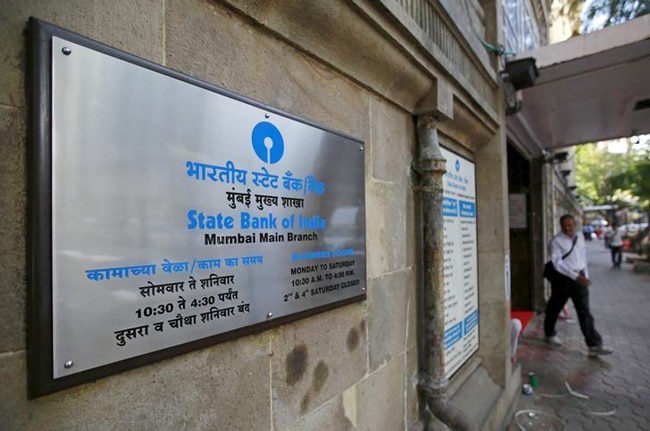
Low-interest ratesIf the government can ensure that the interest rates are brought down for the common man, it will be a major boost to consumption in the economy. Interest rates are still high particularly those of private sector banks and the entire repo rate reduction by the Reserve Bank of India (RBI) has still not been passed by the banks to the consumer as well as to the industry. About 1% of repo rate still remains untransferred to the consumer as far as bringing down the rates are concerned.

- 9/11
Increase in Section 80C deduction limitThe common man also expects FM Sitharaman to increase the deduction limit under Section 80C of the Income-Tax Act, 1961. The current cap stands at Rs 1.5 lakh and doesn't leave much room for the taxpayers to broaden their investment portfolio. The expectation is that this limit (of Rs 1.5 lakh) should be increased to at least Rs 2.5 lakh in order to boost investment in several tax-saving schemes such as personal provident fund (PPF), fixed deposits, home loan repayment, insurance etc. This will leave more disposable income in the hands of individuals, thereby encouraging them to channelise their long-term savings into the capital markets.

- 10/11
Relief on LTCG and DDTThere are expectations from the government to provide relief on long term capital gains (LTCG) tax and dividend distribution tax (DDT) to cheer the stock markets. Currently, an Indian company has to pay the DDT of around 20.56% on the declaration of dividends which consequently are exempt in the hands of shareholders (Indian or foreign). Thus, the government is expected to abolish the DDT, thereby taxing the shareholders directly on the dividends earned by them. LTCG tax was re-introduced in Union Budget 2018 making it mandatory for an investor to pay 10% LTCG tax on profit made over Rs 1 lakh in a year if he/she sells listed equity shares and equity-oriented mutual funds after keeping them for one year. The expectations are the government will increase the current exemption limit from Rs 1 lakh to Rs 2 lakh.

- 11/11
LTA for foreign travelAmongst a list of allowances which need to be re-looked into, leave travel allowance (LTA) is an important one. An employee is eligible to claim an exemption for the LTA allowed to him by his/her employer for going on a vacation anywhere in India. There are expectations abound that the government will provide the LTA benefit for both Indian and foreign destinations.