
Modi govt @ 2: How key economic ministries fared
Modi govt @ 2: How key economic ministries fared
BusinessToday.In
- May 26, 2016,
- Updated May 27, 2016 1:00 PM IST
- 1/5
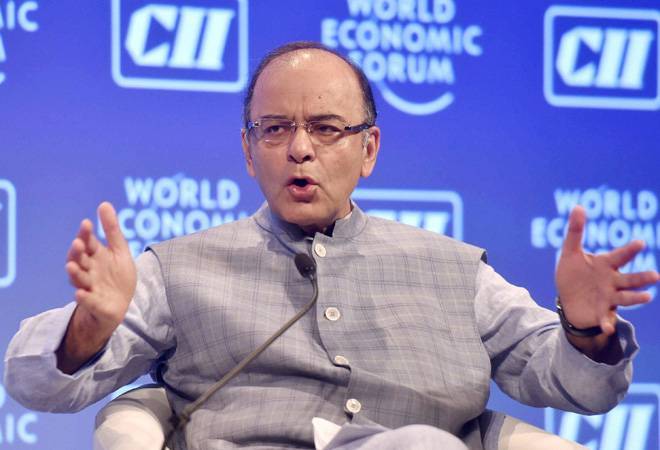
Finance and corporate affairs (Arun Jaitley):Jaitley has helped the economy achieve a fair degree of macroeconomic stability and a GDP growth rate of over seven percent, which surpassed China's, prompting the IMF to tag India as the fastest growing major economy.The government's other achievements include controlling the current account and fiscal deficits, while inflation has also declined, with a little help and nudging by the RBI, from 11 percent to below five percent, making room for interest rates to be cut.
- 2/5
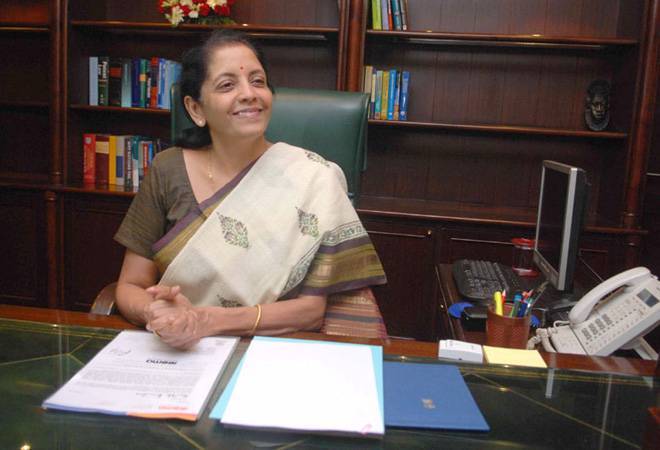
Commerce and industry (Nirmala Sitharaman):Official data earlier this month showed India's merchandise exports in April were valued at $20.57 billion - down 6.74 percent in dollar terms - against $22.05 billion in the like month of last year, signalling a decline for the 17th straight month.
- 3/5
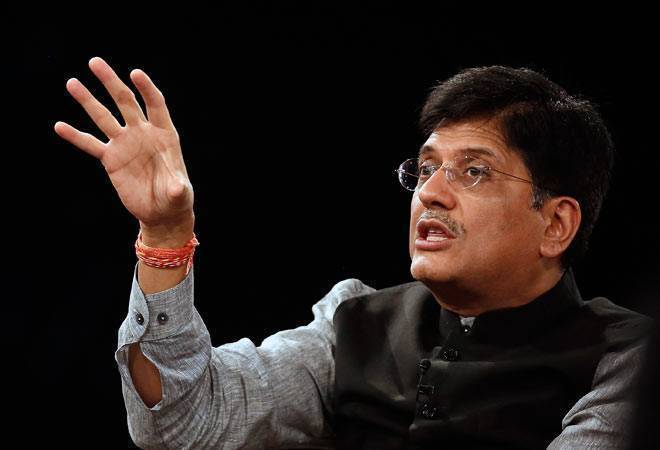
Power, coal and renewable energy (Piyush Goyal):In his first year, his team conducted the first successful coal mine auctions, while other efforts yielded higher coal output.The ministry also managed to reduce solar power tariffs through competitive bidding and reviving stranded gas-based power plants.India has become power surplus from chronic power shortage.

- 4/5
Civil aviation (Ashok Gajapathi Raju):The central government's ambitious plans on making flying more affordable and profitable remained grounded, as the sector waited in the wings for the National Civil Aviation Policy, widely debated and appreciated but is still to get the green signal.However, the real thrust behind the industry's turnaround were lower fuel prices, uptick in economic activity and a stellar rise in passenger traffic.
- 5/5
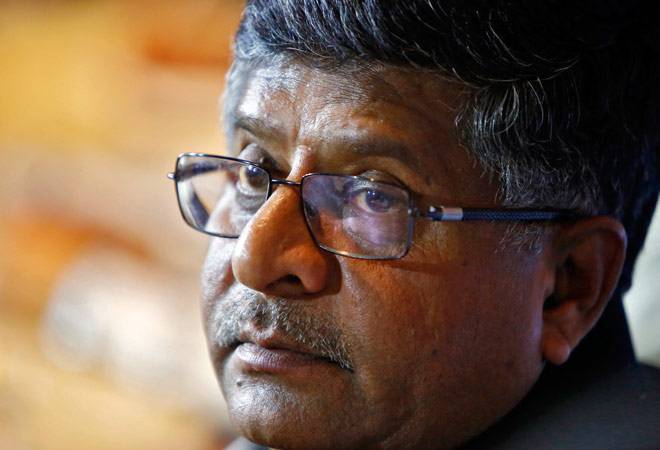
Communications (Ravi Shankar Prasad):Aiming to provide better service to the customers the government successfully auctioned spectrum in 2015, mopping up Rs.1.10 lakh crore ($17.6 billion) to licence 380.75 MHz of airwaves in the 900 MHz, 1,800 MHz and 800 MHz and 2100 MHz bands across 17 out of 22 telecom circles.It also allowed spectrum trading and sharing so that the telecom service providers can offer seamless network connectivity. Mobile number portability across the country was made operational. The service providers are gearing up for nationwide 4G telephony launch.