
TIME100 AI 2026: Meet 10 Indian and Indian-origin names shaping the future of AI
TIME100 AI 2026 features 10 Indian and Indian-origin leaders shaping AI across enterprise technology, science, healthcare, semiconductors, law, safety and AI governance.
- Aug 31, 2026,
- Updated Aug 31, 2026 5:14 PM IST
- 1/10
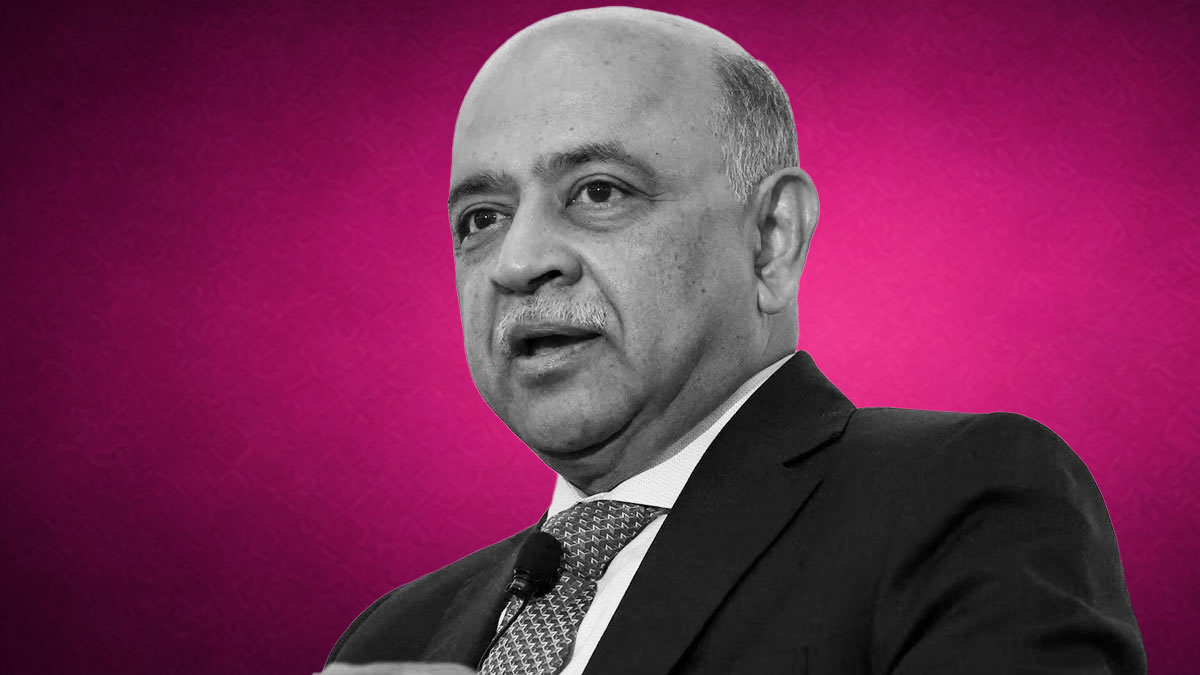
Arvind Krishna: smaller models, bigger enterprise bet
The IIT Kanpur graduate and IBM chairman and CEO has taken a different approach to the AI race, focusing on smaller and specialised models for enterprise applications. Krishna has argued that the future of AI will not necessarily belong only to the largest general-purpose models, challenging the industry's focus on scale.
- 2/10
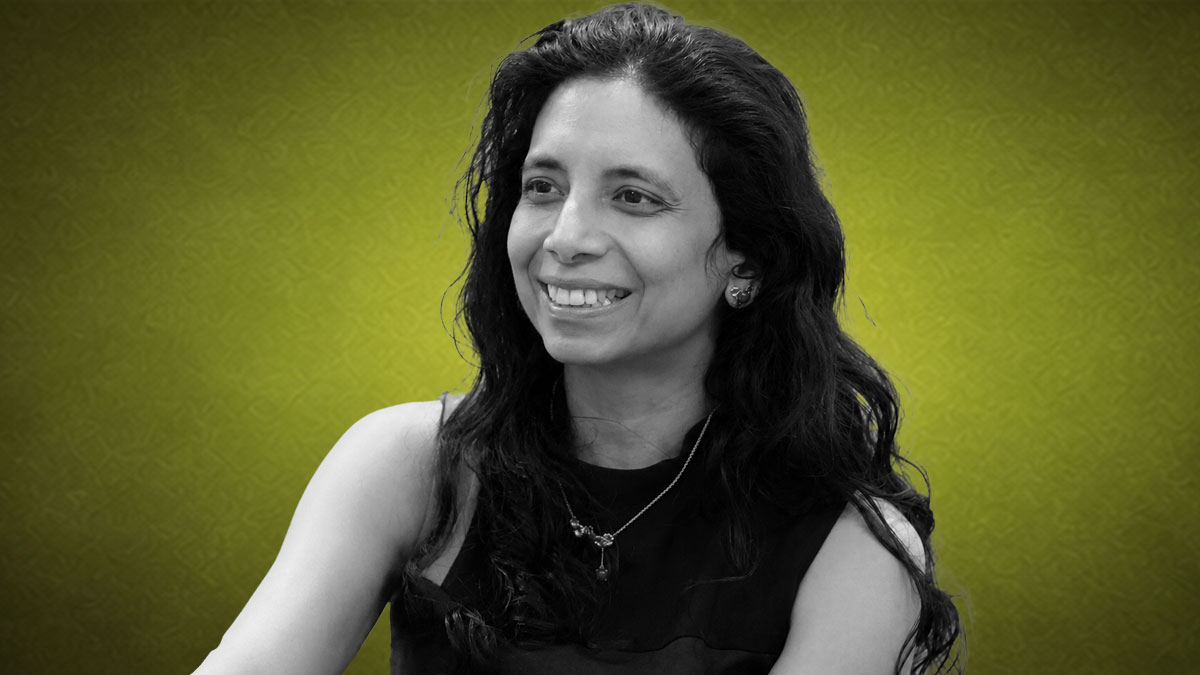
Anima Anandkumar: taking AI beyond screens
The IIT Madras graduate and Caltech professor works at the intersection of artificial intelligence and science. Her research focuses on using AI to model physical processes, with applications including weather forecasting, semiconductor manufacturing and scientific simulations. Her company, Accelerated Understanding, is focused on using AI to model and understand the physical world.
- 3/10
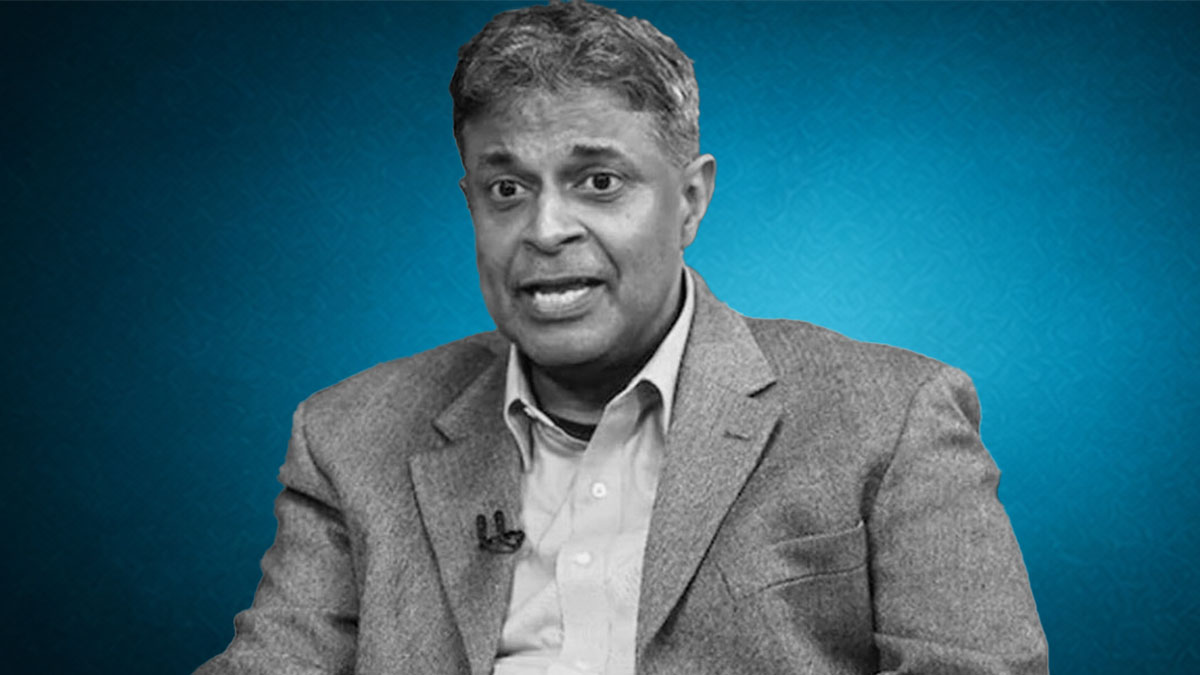
Vivek Raghavan: from Aadhaar to AI
After contributing to the technology infrastructure behind Aadhaar, Vivek Raghavan turned his attention to artificial intelligence. As co-founder of Sarvam AI, he is working on AI systems tailored to India's linguistic and cultural diversity, with a focus on building an indigenous AI ecosystem.
- 4/10
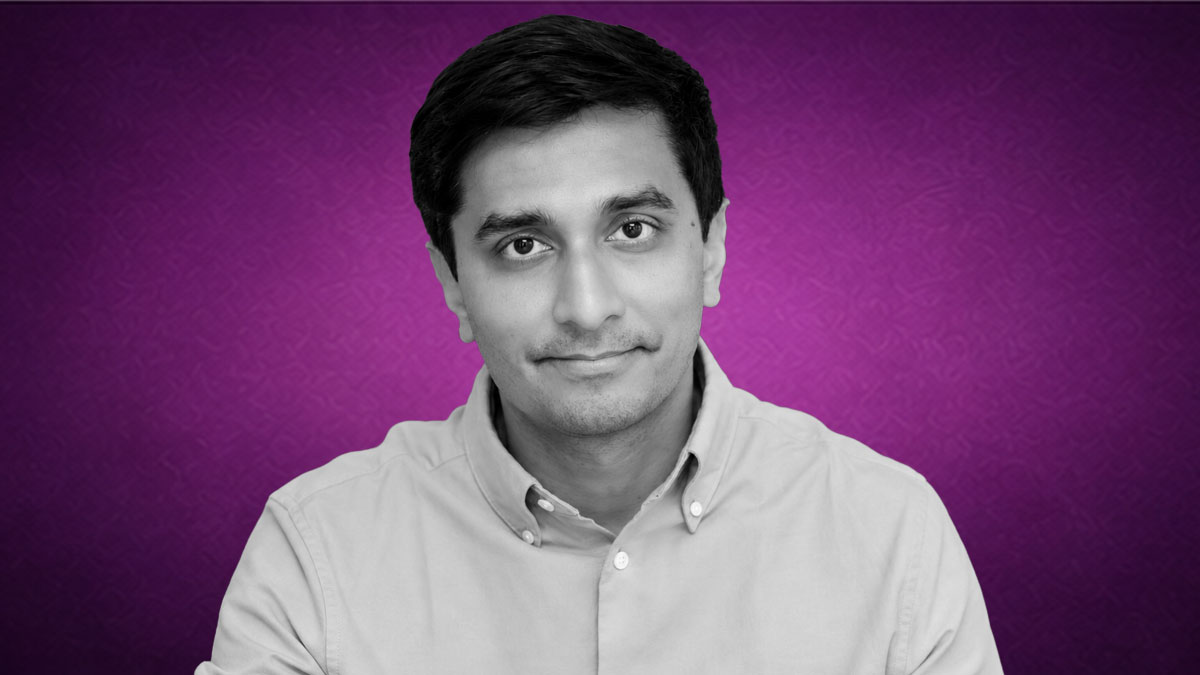
Utkarsh Saxena: AI enters courtrooms
Former Supreme Court law clerk Utkarsh Saxena is applying artificial intelligence to India's judicial system through Adalat AI. The company says its technology has reached more than 6,000 judges across 11 states. The Andhra Pradesh High Court has also announced its adoption across the state's district judiciary from October 2026.
- 5/10
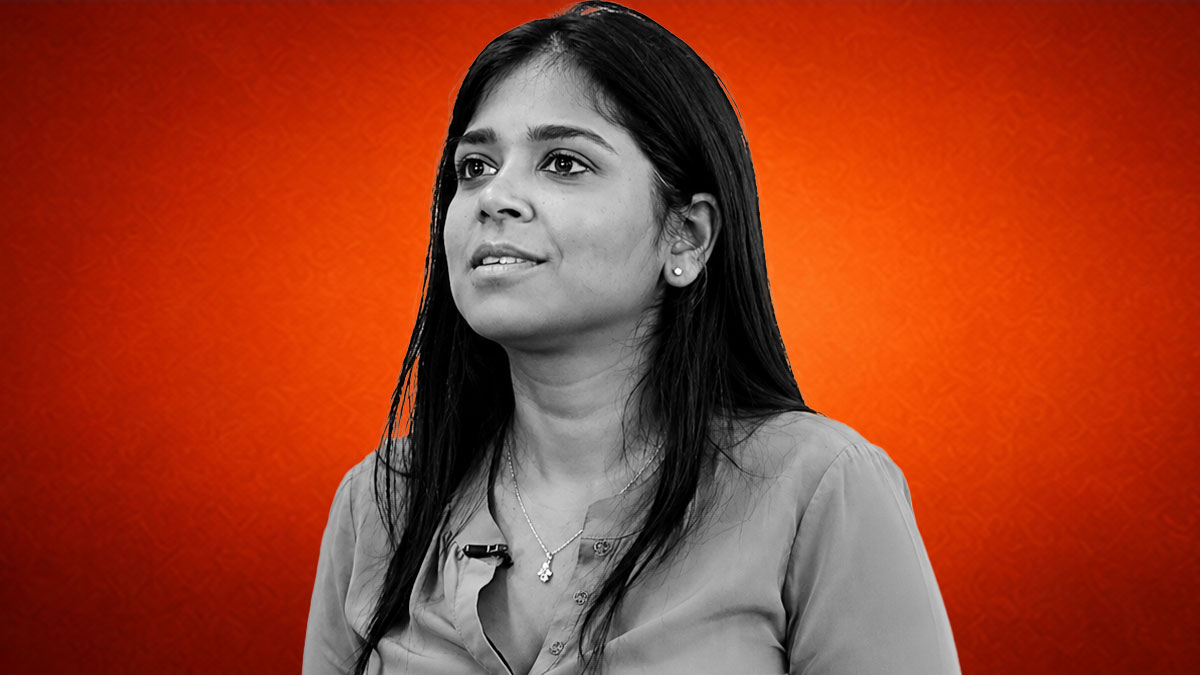
Suchi Saria: AI’s medical alarm
Suchi Saria, founder and CEO of Bayesian Health and a Johns Hopkins professor, is using AI to help identify patients at risk of sepsis. The US FDA cleared the system in May 2026 as an early-warning tool. Johns Hopkins has reported that its use was associated with a nearly 20% reduction in deaths, while an earlier study involving more than 764,000 patient encounters reported an 18.2% relative reduction in mortality.
- 6/10
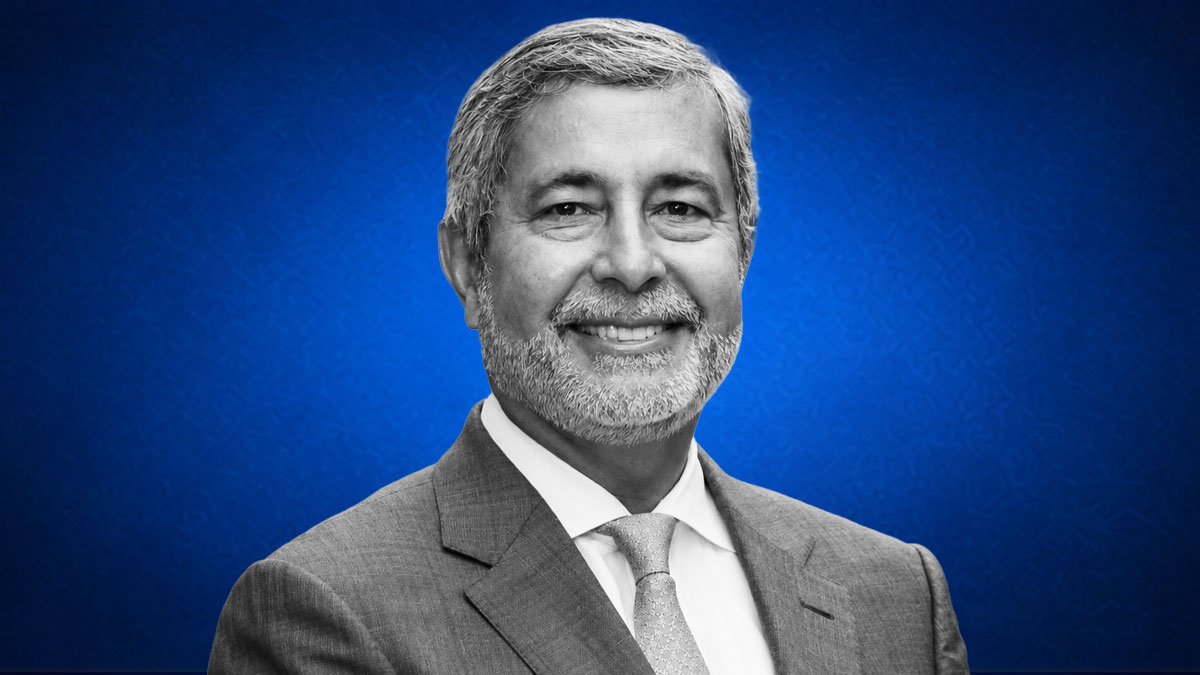
Sanjay Mehrotra: powering the AI infrastructure
Indian-origin executive Sanjay Mehrotra, chairman and CEO of Micron Technology, represents the semiconductor and memory side of the AI revolution. Micron's high-bandwidth memory technologies are increasingly important to AI infrastructure, as advanced systems require greater memory capacity and faster data movement.
- 7/10
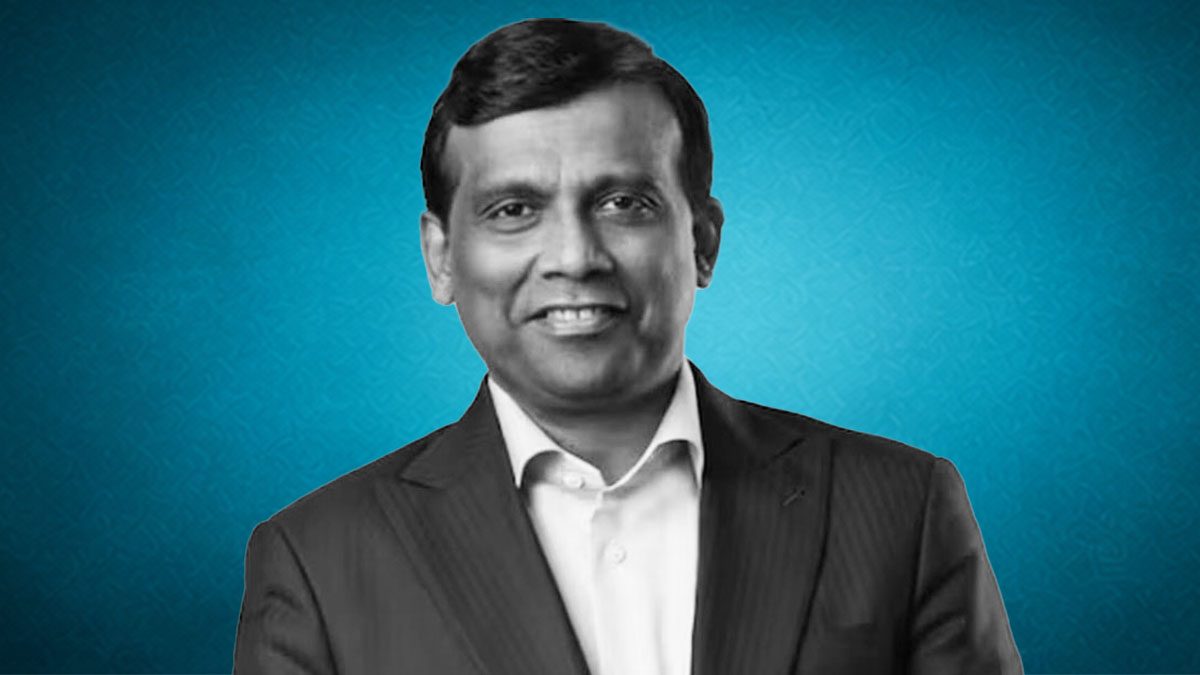
Ravi Kumar S.: AI’s workplace reset
The Cognizant CEO and former nuclear scientist brings a different perspective to the debate over AI and jobs. Kumar argues that artificial intelligence is likely to change the tasks people perform, rather than simply eliminate entire professions. His focus is increasingly on how workers and organisations can adapt to AI-driven changes.
- 8/10
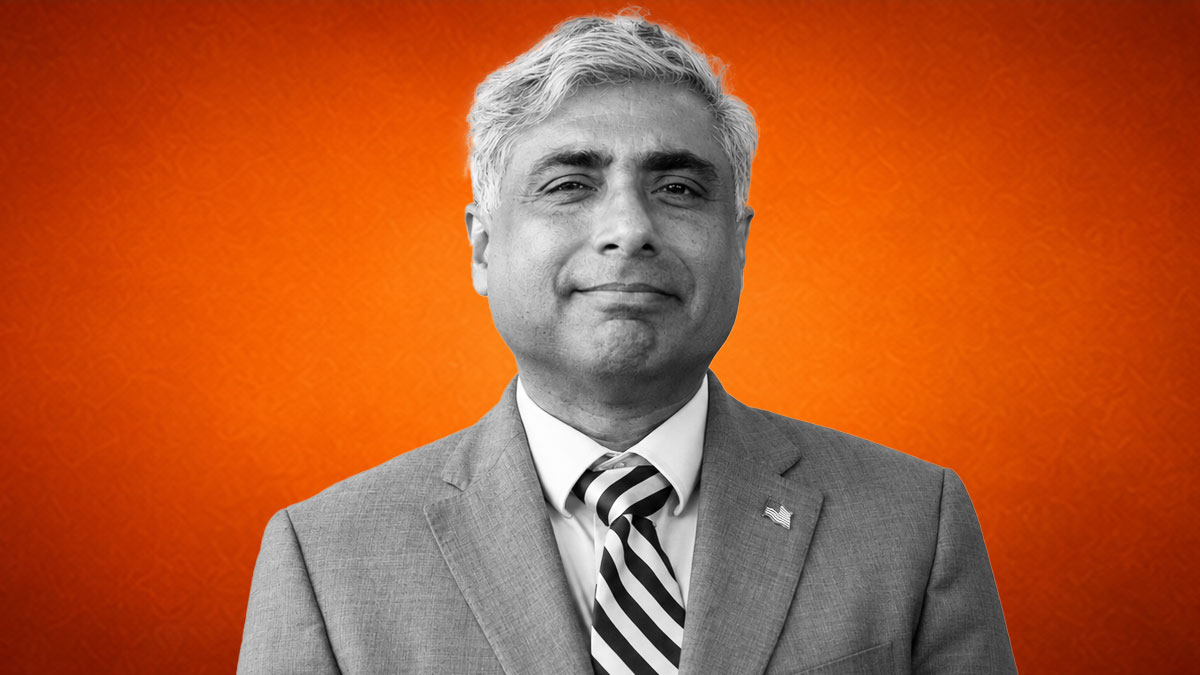
Arvind Raman: testing AI’s limits
Arvind Raman works on how advanced AI systems should be tested and evaluated. As an Indian-origin technology policy expert and director at NIST, as well as acting head of the US Center for AI Standards and Innovation, he is involved in work around AI standards, evaluation and safety.
- 9/10
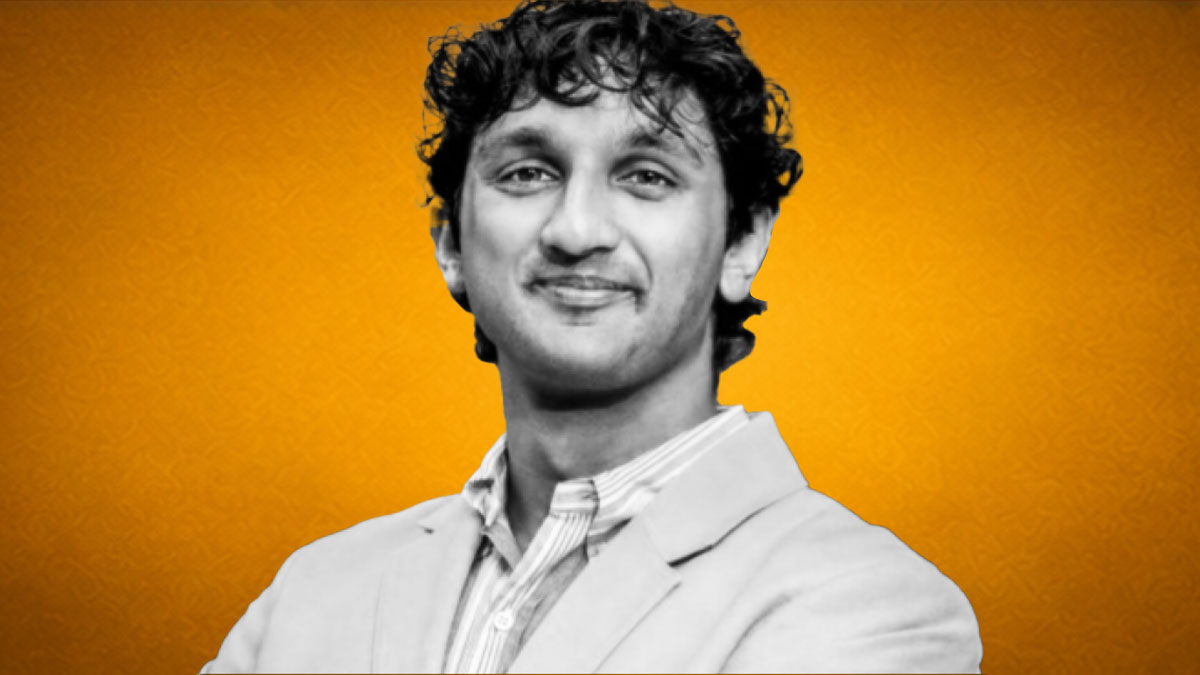
Sunny Gandhi: the safety push
Sunny Gandhi, co-executive director of Encode, represents the policy and advocacy side of the AI debate. His work focuses on safeguards, transparency and meaningful human oversight as increasingly capable AI systems move into sensitive areas such as education, healthcare and government.

- 10/10
Meetali Jain: taking AI to court
Meetali Jain, founder and executive director of Tech Justice Law, represents the legal accountability side of AI. Her work includes cases and advocacy involving alleged technology-related harms, including claims involving AI systems and chatbots. Her inclusion highlights the growing role of law in determining responsibility when AI systems allegedly cause real-world harm.