
19-kg LPG cylinder rates rise, ATF prices up from Sept 1 in major cities; check latest rates here
The price rise comes at a time when the state-owned company is also dealing with pressure on energy supplies and higher crude costs linked to the ongoing conflict in West Asia.
- Sep 1, 2026,
- Updated Sep 1, 2026 9:20 AM IST
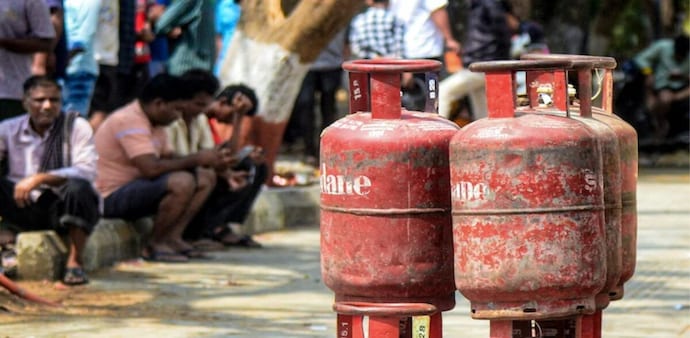
Indian Oil Corporation (IOC) on Tuesday hiked the price of a 19-kg LPG cylinder by around ₹9.50 in Delhi, bringing the rate to ₹2,747.50. The revised cylinder rates came into effect from September 1.
After the latest hike in 19-kg LPG cylinder rates, a commercial LPG cylinder costs ₹2,701 in Mumbai and stands at ₹2,916.50 in Chennai. The highest hike came in Kolkata, where rates were increased by ₹11.50 per 19 kg cylinder to ₹2,884. 19-kg LPG cylinder rates went up by ₹10 each to ₹2,784 in Thiruvananthapuram and ₹2,831 in Bengaluru, respectively.
LPG rates have also risen by ₹11 in cities like Bhubaneswar and Hyderabad to ₹2,919 and ₹2,996. LPG continues to remain above the ₹3,000 mark in Patna, with the recent hike taking the 19-kg cooking gas cylinder rates to ₹3,029 in Bihar's capital city.
In a relief to households, the oil marketing companies (OMCs) have not hiked the rates of 14.2-kg domestic LPG cylinders. Moreover, the prices of aviation turbine fuel (ATF) for domestic airlines went up by ₹6.28 per litre to ₹121.28 per litre from ₹115, according to IOCL sources. The prices of 5-kg FTL non-domestic LPG refill rose by ₹2 from ₹762 to ₹764 on the same day.
Supply measures during West Asia conflict
The price rise comes at a time when the state-owned company is also dealing with pressure on energy supplies and higher crude costs linked to the ongoing conflict in West Asia. Even amid those disruptions, IOC said it ramped up liquefied petroleum gas production by nearly 30 per cent and kept its refineries operating at above 100 per cent utilisation.
Speaking at the company’s 67th annual general meeting on Monday, IOC chairman Arvinder Singh Sahney said the company had moved to protect supply continuity as maritime trade through the Strait of Hormuz came under strain. India imports more than 88 per cent of its crude oil requirement, while about 45 per cent of its crude imports and nearly 90 per cent of LPG imports are linked to the Strait of Hormuz.
"For IndianOil, the priority during this unprecedented crisis has remained crystal clear - to maintain continuity of energy supplies despite constrained sourcing options and volatile international markets," he said.
Sahney said IOC diversified crude sourcing, realigned refinery operations and strengthened supply-chain coordination to secure alternate supplies, optimise cargo movements and rebalance products across regions. He said the company used 24-hour control rooms, daily reviews and real-time market monitoring to respond to supply gaps, and maintained product availability despite a "significant shift away from Middle Eastern crude grades".
"Despite a significant shift away from Middle Eastern crude grades, our refineries operated above 100 per cent utilisation, LPG production was ramped up by nearly 30 per cent within a short period, and our gas business maintained supplies to priority sectors while securing additional LNG from diversified geographies," he said.
Record operating performance
The disruption came as IOC reported record operating performance. For the year ended March 2026, the company posted a standalone net profit of ₹36,802 crore on turnover of about ₹8.86 trillion, with aggregate sales exceeding 105 million tonnes across petroleum products, natural gas and petrochemicals.
Its refineries processed a record 75.45 million tonnes of crude during the year, while liquid pipeline throughput reached a record 102.52 million tonnes and domestic petroleum-product sales rose to an all-time high of 88.97 million tonnes.
The momentum continued into the first quarter of the current financial year. IOC processed a record 19.17 million tonnes of crude at 109.4 per cent capacity utilisation, while pipeline throughput reached a quarterly record of 28.55 million tonnes. Its domestic petroleum-product market share rose to 43.1 per cent, Sahney said.
"While profitability during the quarter remained under pressure from higher crude costs arising from the West Asia conflict, the strength of our operating performance gives us confidence in the underlying resilience of your company," he said.
Expansion and diversification plans
IOC is also accelerating investment in its core refining operations. Expansions at Panipat, Gujarat and Barauni are expected to raise the group’s refining capacity from 80.75 million tonnes a year to about 98 million tonnes. As India expands its refining capacity towards 300 million tonnes a year, IOC expects to account for more than 40 per cent of the incremental capacity, he said.
The company is also seeking to reduce its dependence on its traditional refining business by targeting higher contributions from petrochemicals, natural gas, renewables, biofuels, green hydrogen and sustainable aviation fuel. It plans to raise its petrochemical intensity to about 15 per cent by 2030, increase natural-gas sales 1.5 times by the same year, and raise upstream integration to more than 10 per cent by 2031.
Construction has begun on a large-scale green hydrogen plant at Panipat, while IOC has received ISCC CORSIA certification for sustainable aviation fuel production through co-processing at the refinery. Its renewable-energy arm Terra Clean is developing 1 gigawatt of capacity, with another 4.3 gigawatts under preparation.
Resilience and energy security
Sahney said the experience of the West Asia crisis had reinforced the need to build resilience before disruptions occur.
"Resilience has to be built before it is tested," he said. "In an uncertain world, energy security depends not only on scale, but equally on agility, diversification and preparedness." He added: "In moments of national need, the country’s energy security comes first."
Indian Oil Corporation (IOC) on Tuesday hiked the price of a 19-kg LPG cylinder by around ₹9.50 in Delhi, bringing the rate to ₹2,747.50. The revised cylinder rates came into effect from September 1.
After the latest hike in 19-kg LPG cylinder rates, a commercial LPG cylinder costs ₹2,701 in Mumbai and stands at ₹2,916.50 in Chennai. The highest hike came in Kolkata, where rates were increased by ₹11.50 per 19 kg cylinder to ₹2,884. 19-kg LPG cylinder rates went up by ₹10 each to ₹2,784 in Thiruvananthapuram and ₹2,831 in Bengaluru, respectively.
LPG rates have also risen by ₹11 in cities like Bhubaneswar and Hyderabad to ₹2,919 and ₹2,996. LPG continues to remain above the ₹3,000 mark in Patna, with the recent hike taking the 19-kg cooking gas cylinder rates to ₹3,029 in Bihar's capital city.
In a relief to households, the oil marketing companies (OMCs) have not hiked the rates of 14.2-kg domestic LPG cylinders. Moreover, the prices of aviation turbine fuel (ATF) for domestic airlines went up by ₹6.28 per litre to ₹121.28 per litre from ₹115, according to IOCL sources. The prices of 5-kg FTL non-domestic LPG refill rose by ₹2 from ₹762 to ₹764 on the same day.
Supply measures during West Asia conflict
The price rise comes at a time when the state-owned company is also dealing with pressure on energy supplies and higher crude costs linked to the ongoing conflict in West Asia. Even amid those disruptions, IOC said it ramped up liquefied petroleum gas production by nearly 30 per cent and kept its refineries operating at above 100 per cent utilisation.
Speaking at the company’s 67th annual general meeting on Monday, IOC chairman Arvinder Singh Sahney said the company had moved to protect supply continuity as maritime trade through the Strait of Hormuz came under strain. India imports more than 88 per cent of its crude oil requirement, while about 45 per cent of its crude imports and nearly 90 per cent of LPG imports are linked to the Strait of Hormuz.
"For IndianOil, the priority during this unprecedented crisis has remained crystal clear - to maintain continuity of energy supplies despite constrained sourcing options and volatile international markets," he said.
Sahney said IOC diversified crude sourcing, realigned refinery operations and strengthened supply-chain coordination to secure alternate supplies, optimise cargo movements and rebalance products across regions. He said the company used 24-hour control rooms, daily reviews and real-time market monitoring to respond to supply gaps, and maintained product availability despite a "significant shift away from Middle Eastern crude grades".
"Despite a significant shift away from Middle Eastern crude grades, our refineries operated above 100 per cent utilisation, LPG production was ramped up by nearly 30 per cent within a short period, and our gas business maintained supplies to priority sectors while securing additional LNG from diversified geographies," he said.
Record operating performance
The disruption came as IOC reported record operating performance. For the year ended March 2026, the company posted a standalone net profit of ₹36,802 crore on turnover of about ₹8.86 trillion, with aggregate sales exceeding 105 million tonnes across petroleum products, natural gas and petrochemicals.
Its refineries processed a record 75.45 million tonnes of crude during the year, while liquid pipeline throughput reached a record 102.52 million tonnes and domestic petroleum-product sales rose to an all-time high of 88.97 million tonnes.
The momentum continued into the first quarter of the current financial year. IOC processed a record 19.17 million tonnes of crude at 109.4 per cent capacity utilisation, while pipeline throughput reached a quarterly record of 28.55 million tonnes. Its domestic petroleum-product market share rose to 43.1 per cent, Sahney said.
"While profitability during the quarter remained under pressure from higher crude costs arising from the West Asia conflict, the strength of our operating performance gives us confidence in the underlying resilience of your company," he said.
Expansion and diversification plans
IOC is also accelerating investment in its core refining operations. Expansions at Panipat, Gujarat and Barauni are expected to raise the group’s refining capacity from 80.75 million tonnes a year to about 98 million tonnes. As India expands its refining capacity towards 300 million tonnes a year, IOC expects to account for more than 40 per cent of the incremental capacity, he said.
The company is also seeking to reduce its dependence on its traditional refining business by targeting higher contributions from petrochemicals, natural gas, renewables, biofuels, green hydrogen and sustainable aviation fuel. It plans to raise its petrochemical intensity to about 15 per cent by 2030, increase natural-gas sales 1.5 times by the same year, and raise upstream integration to more than 10 per cent by 2031.
Construction has begun on a large-scale green hydrogen plant at Panipat, while IOC has received ISCC CORSIA certification for sustainable aviation fuel production through co-processing at the refinery. Its renewable-energy arm Terra Clean is developing 1 gigawatt of capacity, with another 4.3 gigawatts under preparation.
Resilience and energy security
Sahney said the experience of the West Asia crisis had reinforced the need to build resilience before disruptions occur.
"Resilience has to be built before it is tested," he said. "In an uncertain world, energy security depends not only on scale, but equally on agility, diversification and preparedness." He added: "In moments of national need, the country’s energy security comes first."