
300-350 mm rainfall alert: IMD issues extreme warning for next 24 hours as vortex forms near Mumbai
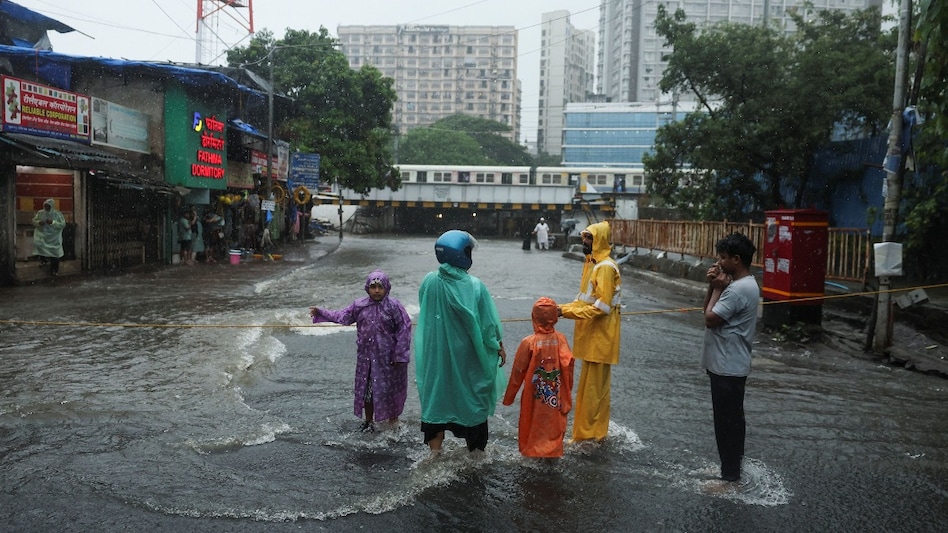
The latest spell of heavy rain has already left several parts of Mumbai and the Mumbai Metropolitan Region (MMR) waterlogged, with road traffic and public transport affected even before the forecast peak of the monsoon spell.
- Jul 4, 2026,
- Updated Jul 4, 2026 10:35 PM IST
After a sluggish start to the season, the southwest monsoon has shifted into high gear. The India Meteorological Department (IMD) has warned that Mumbai and its neighbouring districts could witness the most dangerous phase of the current monsoon spell over the next 24 to 36 hours, with isolated areas likely to receive an astonishing 300-350 mm of rainfall.
Meteorologists attribute the latest spell to a combination of favourable monsoon conditions and the expected vortex near the north Mumbai-Palghar coast. The circulation is likely to pull in abundant moisture from the Arabian Sea, resulting in prolonged and intense rain bands over Maharashtra while also strengthening monsoon activity across large parts of the country.
The weather system is likely to trigger:
- Extremely heavy to very heavy rainfall over the next 24-36 hours
- Rain intensity increasing significantly from tonight
- The heaviest spell expected after midnight
- Isolated locations receiving 300-350 mm of rainfall within 24 hours
Such rainfall could lead to severe waterlogging, flooding in low-lying areas, traffic disruptions and delays to rail and road transport across Mumbai, Thane, Palghar and nearby regions.
Waterlogging disrupts normal life across Mumbai
The latest spell of heavy rain has already left several parts of Mumbai and the Mumbai Metropolitan Region (MMR) waterlogged, with road traffic and public transport affected even before the forecast peak of the monsoon spell.
Among the worst-hit locations were:
- Sion Gandhi Market, where roads were inundated, slowing vehicular movement.
- APMC Market in Navi Mumbai, which witnessed severe waterlogging, disrupting commuters and commercial activity.
- Kale Marg near Kamani in Kurla West, where a BEST bus was stranded due to floodwaters.
- Andheri Subway, which was submerged again, prompting authorities to advise motorists to avoid the route and use the Gokhale Bridge as an alternative.
- Khodad Circle in Dadar, where water accumulated on major roads, leading to long traffic snarls and slow-moving vehicles.
- Ambedkar Nagar in Palghar, where floodwaters entered homes, affecting residents in low-lying areas.
Heavy rainfall also reduced visibility and caused delays to suburban rail and Metro services in parts of the city, while airlines issued travel advisories warning passengers of possible flight delays due to adverse weather conditions.
Authorities have urged residents to avoid unnecessary travel as the IMD expects rainfall intensity to increase further through the night, with the heaviest downpour likely after midnight.
Monsoon stages a dramatic comeback
The active monsoon phase is no longer confined to western India. A major monsoon surge has spread across much of the country, significantly improving rainfall statistics within just five days.
India's all-India rainfall deficiency has:
- Improved from -40% to -27% in just five days
- Left no meteorological subdivision in the "large deficient" rainfall category
- Put the country on track to enter the normal rainfall category (deficit below -19%) within the next three days if the current trend continues
The rapid improvement marks one of the strongest monsoon recoveries seen this season. The turnaround comes after an unusually weak June that had raised concerns over sowing activity in several states.
If the active monsoon phase persists through next week, it could significantly strengthen the outlook for India's agriculture sector and help offset the impact of the subdued rainfall during the early weeks of the season.
After a sluggish start to the season, the southwest monsoon has shifted into high gear. The India Meteorological Department (IMD) has warned that Mumbai and its neighbouring districts could witness the most dangerous phase of the current monsoon spell over the next 24 to 36 hours, with isolated areas likely to receive an astonishing 300-350 mm of rainfall.
Meteorologists attribute the latest spell to a combination of favourable monsoon conditions and the expected vortex near the north Mumbai-Palghar coast. The circulation is likely to pull in abundant moisture from the Arabian Sea, resulting in prolonged and intense rain bands over Maharashtra while also strengthening monsoon activity across large parts of the country.
The weather system is likely to trigger:
- Extremely heavy to very heavy rainfall over the next 24-36 hours
- Rain intensity increasing significantly from tonight
- The heaviest spell expected after midnight
- Isolated locations receiving 300-350 mm of rainfall within 24 hours
Such rainfall could lead to severe waterlogging, flooding in low-lying areas, traffic disruptions and delays to rail and road transport across Mumbai, Thane, Palghar and nearby regions.
Waterlogging disrupts normal life across Mumbai
The latest spell of heavy rain has already left several parts of Mumbai and the Mumbai Metropolitan Region (MMR) waterlogged, with road traffic and public transport affected even before the forecast peak of the monsoon spell.
Among the worst-hit locations were:
- Sion Gandhi Market, where roads were inundated, slowing vehicular movement.
- APMC Market in Navi Mumbai, which witnessed severe waterlogging, disrupting commuters and commercial activity.
- Kale Marg near Kamani in Kurla West, where a BEST bus was stranded due to floodwaters.
- Andheri Subway, which was submerged again, prompting authorities to advise motorists to avoid the route and use the Gokhale Bridge as an alternative.
- Khodad Circle in Dadar, where water accumulated on major roads, leading to long traffic snarls and slow-moving vehicles.
- Ambedkar Nagar in Palghar, where floodwaters entered homes, affecting residents in low-lying areas.
Heavy rainfall also reduced visibility and caused delays to suburban rail and Metro services in parts of the city, while airlines issued travel advisories warning passengers of possible flight delays due to adverse weather conditions.
Authorities have urged residents to avoid unnecessary travel as the IMD expects rainfall intensity to increase further through the night, with the heaviest downpour likely after midnight.
Monsoon stages a dramatic comeback
The active monsoon phase is no longer confined to western India. A major monsoon surge has spread across much of the country, significantly improving rainfall statistics within just five days.
India's all-India rainfall deficiency has:
- Improved from -40% to -27% in just five days
- Left no meteorological subdivision in the "large deficient" rainfall category
- Put the country on track to enter the normal rainfall category (deficit below -19%) within the next three days if the current trend continues
The rapid improvement marks one of the strongest monsoon recoveries seen this season. The turnaround comes after an unusually weak June that had raised concerns over sowing activity in several states.
If the active monsoon phase persists through next week, it could significantly strengthen the outlook for India's agriculture sector and help offset the impact of the subdued rainfall during the early weeks of the season.