
50% seat hike for all states: Cabinet approves revised Delimitation Bill ahead of special session
The move is designed to unlock political consensus for implementing the 33% reservation for women in Parliament and state assemblies, which was previously stalled due to disputes over how redrawing constituencies would affect regional representation.
- Nov 27, 2026,
- Updated Nov 27, 2026 2:46 PM IST
The Union Cabinet, chaired by Prime Minister Narendra Modi, today approved key amendments to the Constitution Amendment Bill governing delimitation and women’s reservation, clearing the way for a uniform 50% increase in Lok Sabha seats across all states while maintaining the existing inter-state representation ratio until 2051.
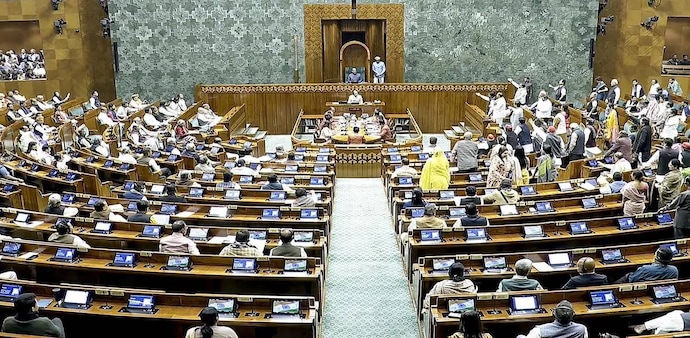
The decision comes days ahead of a special sitting of Parliament scheduled to begin on November 30, where the government aims to introduce and pass the revised legislation.
The move is designed to unlock political consensus for implementing the 33% reservation for women in Parliament and state assemblies, which was previously stalled due to disputes over how redrawing constituencies would affect regional representation.
Addressing southern states’ concerns
Under the approved framework, the total strength of the Lok Sabha is projected to expand by 50% from its current 543 seats. Crucially, rather than reallocating seats based on updated census population figures — a formula that southern states warned would penalize them for successful population control — the revised Bill increases each state’s seat count proportionately by 50%.
By preserving the current population-based representation ratio for the next 25 years (until 2051), the government seeks to reassure southern states such as Tamil Nadu, Karnataka, Kerala, Andhra Pradesh, and Telangana that their relative share of political power in the Lower House will remain intact.
Legislative push in special session
The earlier version of the Delimitation Bill failed to secure the required backing in Parliament in April amid fierce opposition from regional parties. Ahead of the upcoming sittings — with the Lok Sabha reconvening on November 30 and the Rajya Sabha on December 2 — both the ruling BJP and allies such as the Shiv Sena have issued whips to ensure full attendance of their MPs.
While several opposition parties have demanded transparent guardrails around the delimitation process and the delinking of the women's quota from census timelines, government sources expressed confidence that the uniform 50% expansion formula will help bridge the divide during next week’s parliamentary debate.