
Cabinet Secretary pushes for more effective governance, calls for better administrative habits
He cautioned that without conscious self-improvement, officials risk ending their careers with what he described as "one year's experience repeated 30 times" rather than three decades of meaningful professional growth.
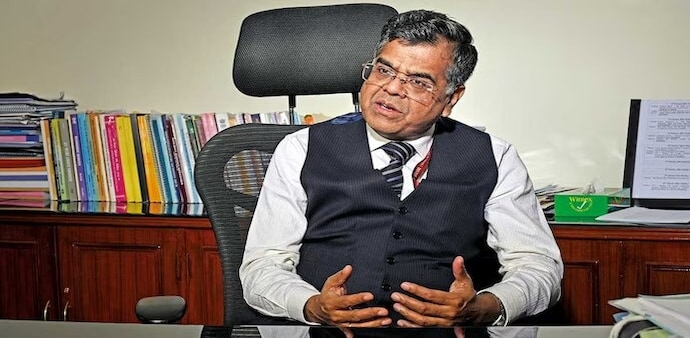
- Aug 3, 2026,
- Updated Aug 3, 2026 5:27 PM IST
Cabinet Secretary TV Somanathan has urged senior bureaucrats across the Centre and states to focus on improving everyday administrative practices, arguing that better governance is often driven by small but consistent improvements in routine work rather than sweeping reforms.
In a demi-official letter addressed to Secretaries in June 2026, Somanathan said interactions with officers across services had revealed a demand for more practical guidance on "routine" aspects of administration that could help them become better managers and administrators. He noted that while policy and subject-matter training is widely available, everyday work practices also deserve attention.
The Cabinet Secretary encouraged civil servants to regularly reflect on whether they were improving with each passing year or merely repeating established work patterns. He cautioned that without conscious self-improvement, officials risk ending their careers with what he described as "one year's experience repeated 30 times" rather than three decades of meaningful professional growth.
According to the letter, accessed by Business Today, improvements in governance need not come through drastic changes in personality or work culture. Instead, they can emerge from greater attention to everyday practices such as conducting meetings effectively, managing time better, communicating clearly with colleagues and stakeholders, and delegating responsibilities to build stronger teams.
To support this objective, Somanathan has attached a detailed guide on conducting effective meetings, describing it as the first in a series of practical guidance notes intended to help improve administrative functioning. He said meetings consume a significant proportion of officers' time and, when conducted efficiently, can improve both productivity and decision-making.
The accompanying guide recommends that meetings should have clearly defined objectives, involve only essential participants, be backed by adequate preparation, and conclude with specific decisions, responsibilities and timelines. It also emphasises timely follow-up to ensure implementation of decisions.
Cabinet Secretary TV Somanathan has urged senior bureaucrats across the Centre and states to focus on improving everyday administrative practices, arguing that better governance is often driven by small but consistent improvements in routine work rather than sweeping reforms.
In a demi-official letter addressed to Secretaries in June 2026, Somanathan said interactions with officers across services had revealed a demand for more practical guidance on "routine" aspects of administration that could help them become better managers and administrators. He noted that while policy and subject-matter training is widely available, everyday work practices also deserve attention.
The Cabinet Secretary encouraged civil servants to regularly reflect on whether they were improving with each passing year or merely repeating established work patterns. He cautioned that without conscious self-improvement, officials risk ending their careers with what he described as "one year's experience repeated 30 times" rather than three decades of meaningful professional growth.
According to the letter, accessed by Business Today, improvements in governance need not come through drastic changes in personality or work culture. Instead, they can emerge from greater attention to everyday practices such as conducting meetings effectively, managing time better, communicating clearly with colleagues and stakeholders, and delegating responsibilities to build stronger teams.
To support this objective, Somanathan has attached a detailed guide on conducting effective meetings, describing it as the first in a series of practical guidance notes intended to help improve administrative functioning. He said meetings consume a significant proportion of officers' time and, when conducted efficiently, can improve both productivity and decision-making.
The accompanying guide recommends that meetings should have clearly defined objectives, involve only essential participants, be backed by adequate preparation, and conclude with specific decisions, responsibilities and timelines. It also emphasises timely follow-up to ensure implementation of decisions.