
Can auto-rickshaws lower logistics costs? What the proposal means for India's seven crore MSMEs
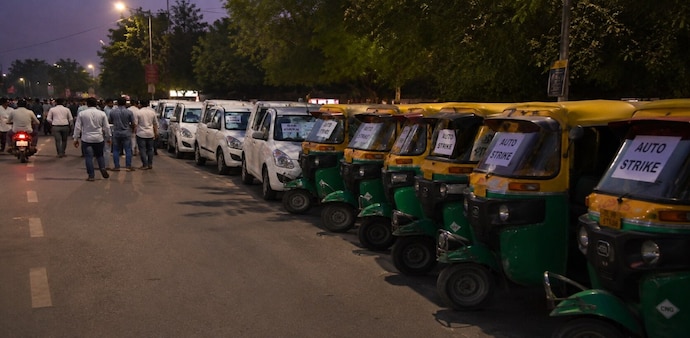
Allowing passenger auto-rickshaws to undertake dedicated goods-only trips could make goods movement more affordable for India's seven crore MSMEs. The proposal could also create additional earning opportunities for auto-rickshaw drivers.
- Nov 26, 2026,
- Updated Nov 26, 2026 5:11 PM IST
India's micro, small and medium enterprises (MSMEs) could see a significant reduction in goods movement costs if states allow passenger auto-rickshaws to undertake dedicated goods-only trips. The proposed regulatory change could also boost driver earnings and improve the utilisation of existing commercial vehicles without expanding urban fleets.
The proposal was discussed at the “RIDE – Moving India Forward” event organised by the Ministry of Road Transport and Highways (MoRTH) on November 18, 2026, which brought together government officials, mobility aggregators, logistics companies and gig workers.
Porter CEO and Co-founder Uttam Digga highlighted a persistent gap in India's logistics ecosystem involving consignments weighing between 25 kg and 250 kg. Such shipments are often too heavy for two-wheelers but too small to economically justify hiring a dedicated goods three-wheeler.
Digga said a regulated dual-utilisation framework could make goods transportation more affordable while allowing drivers to earn additional income during quieter hours. He added that Porter was ready to work with the ministry and state governments to develop an appropriate regulatory framework.
How MSMEs could benefit
For India's over seven crore MSMEs, transportation expenses remain an important component of operating costs. Small retailers, wholesalers, manufacturers and neighbourhood businesses frequently require affordable transportation for relatively small consignments.
Allowing passenger auto-rickshaws to undertake goods-only trips, subject to prescribed load limits and safety requirements, could provide businesses with a more economical alternative to conventional goods vehicles.
Lower transportation expenses could help MSMEs improve profit margins, manage inventory more efficiently and strengthen their competitiveness without significantly increasing operating expenditure.
Technology is already lowering logistics costs
Technology-enabled logistics services have increased vehicle utilisation from around 25% to 50–60%, reduced transportation costs by 20–25% and brought vehicle availability time down to approximately 10 minutes.
Research by C-DEP and IIT Delhi found that 73% of surveyed MSMEs reported lower logistics costs after adopting technology-enabled services, while 95% experienced improved on-time delivery performance.
Extending these efficiencies through dual utilisation could further improve affordability and efficiency in goods movement.
Additional earnings for auto drivers
The proposal could also benefit auto-rickshaw drivers by allowing them to generate revenue during periods of subdued passenger demand, without investing in additional vehicles.
However, implementation would require regulatory clarity on vehicle permits, permissible load limits, insurance coverage and road safety standards.
Union Road Transport and Highways Minister Nitin Gadkari also urged states to implement the Motor Vehicle Aggregator Guidelines, 2025, noting that only Rajasthan had implemented them fully, while Haryana and Uttar Pradesh had adopted them partially.
For MSMEs and drivers, the potential benefits could be substantial. However, the actual cost savings would depend on regulatory approval, pricing structures and operational safeguards.