
Centre hikes petrol export tax to ₹2.5, cuts diesel levy amid crude price volatility
The Ministry clarified that the adjustments apply exclusively to petroleum products destined for foreign markets. Retail prices for petrol and diesel at domestic fuel pumps remain unaffected.
- Oct 16, 2026,
- Updated Oct 16, 2026 11:06 AM IST
The Centre on October 16 slashed the windfall tax on diesel overseas shipments while sharply raising the levy on petrol.
According to a Finance Ministry notification issued late on October 15, the combined Special Additional Excise Duty (SAED) and road infrastructure cess on diesel exports has been nearly halved to ₹8.50 per litre from ₹16 per litre. Conversely, the duty on petrol exports has quintupled, rising from ₹0.50 per litre to ₹2.50 per litre. The export tax on Aviation Turbine Fuel (ATF) remains unchanged at ₹10.50 per litre.
The revised duties take effect from October 16 and will remain active for the upcoming fortnight.
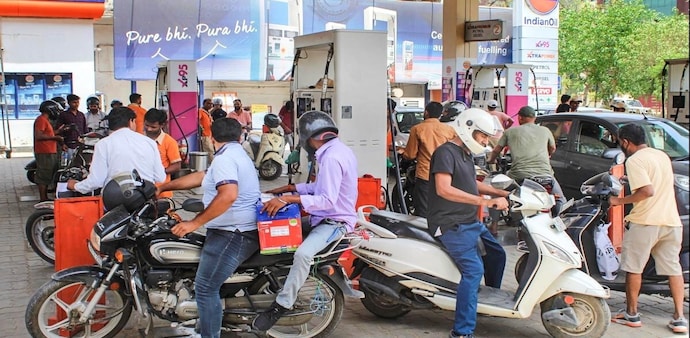
The Ministry clarified that the adjustments apply exclusively to petroleum products destined for foreign markets. Retail prices for petrol and diesel at domestic fuel pumps remain unaffected.
The dynamic duty adjustments are part of India's fortnightly review mechanism, designed to calibrate levies in response to global crude oil price swings and ensure domestic energy security.
Amid ongoing geopolitical tensions in West Asia that have pushed crude prices higher, the levies aim to prevent domestic refiners — including top exporters and state-owned oil firms — from diverting fuel abroad to capture higher overseas margins at the expense of local market availability.
Oil prices dipped early today following reports that the US may ease sanctions on tankers to lower shipping costs, paired with the International Energy Agency’s signal that it will accelerate emergency stock releases.
The Trump administration is considering easing sanctions on shadow fleet vessels that have transported oil and petroleum products from countries including Iran, Russia and Venezuela, in an effort to reduce record-high global freight rates, Reuters reported on Wednesday, citing a US official.
Companies seeking to use the vessels would have to apply to the US Treasury Department, the official said. The Energy Department said any sanctions relief for the shadow fleet would not allow Russia to move sanctioned oil or petroleum products.
However, persistent hostilities in the Middle East — marked by fresh Iranian attacks on vessels in the Strait of Hormuz and ongoing clashes between Saudi Arabia and Yemen’s Houthis — kept crude's losses in check.
The Centre on October 16 slashed the windfall tax on diesel overseas shipments while sharply raising the levy on petrol.
According to a Finance Ministry notification issued late on October 15, the combined Special Additional Excise Duty (SAED) and road infrastructure cess on diesel exports has been nearly halved to ₹8.50 per litre from ₹16 per litre. Conversely, the duty on petrol exports has quintupled, rising from ₹0.50 per litre to ₹2.50 per litre. The export tax on Aviation Turbine Fuel (ATF) remains unchanged at ₹10.50 per litre.
The revised duties take effect from October 16 and will remain active for the upcoming fortnight.
The Ministry clarified that the adjustments apply exclusively to petroleum products destined for foreign markets. Retail prices for petrol and diesel at domestic fuel pumps remain unaffected.
The dynamic duty adjustments are part of India's fortnightly review mechanism, designed to calibrate levies in response to global crude oil price swings and ensure domestic energy security.
Amid ongoing geopolitical tensions in West Asia that have pushed crude prices higher, the levies aim to prevent domestic refiners — including top exporters and state-owned oil firms — from diverting fuel abroad to capture higher overseas margins at the expense of local market availability.
Oil prices dipped early today following reports that the US may ease sanctions on tankers to lower shipping costs, paired with the International Energy Agency’s signal that it will accelerate emergency stock releases.
The Trump administration is considering easing sanctions on shadow fleet vessels that have transported oil and petroleum products from countries including Iran, Russia and Venezuela, in an effort to reduce record-high global freight rates, Reuters reported on Wednesday, citing a US official.
Companies seeking to use the vessels would have to apply to the US Treasury Department, the official said. The Energy Department said any sanctions relief for the shadow fleet would not allow Russia to move sanctioned oil or petroleum products.
However, persistent hostilities in the Middle East — marked by fresh Iranian attacks on vessels in the Strait of Hormuz and ongoing clashes between Saudi Arabia and Yemen’s Houthis — kept crude's losses in check.