
Delhi AQI today: National capital records first ‘poor’ air quality of 2026 as smog blankets its skies
The city’s overall reading had crossed the 200 mark for the first time since mid-July, signalling the beginning of Delhi’s annual winter pollution phase.
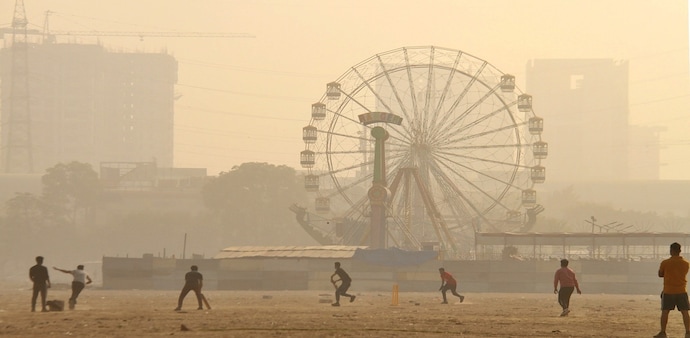
- Oct 21, 2026,
- Updated Oct 21, 2026 9:58 AM IST
Delhi recorded its first overall ‘poor’ air quality reading of the season on Wednesday morning, with the city’s Air Quality Index (AQI) touching 227 at 7.05 am, according to official data. The reading marks a sharp deterioration from the ‘moderate’ levels that had largely prevailed through October.
Data from 56 of Delhi’s 59 air quality monitoring stations showed widespread pollution, with several localities slipping into the ‘very poor’ category. Jahangirpuri and Pusa recorded AQI readings of 308 and 314 respectively, while 16 stations, including Anand Vihar, remained in the ‘moderate’ category.
An AQI between 201 and 300 is classified as ‘poor’ under the Central Pollution Control Board’s (CPCB) grading system. The city’s overall reading had crossed the 200 mark for the first time since mid-July, signalling the beginning of Delhi’s annual winter pollution phase.
MUST READ: Delhi-NCR winter pollution: CAQM deploys flying squads to monitor stubble burning in Punjab, Haryana
In order to tackle the air pollution menace, the Delhi government will roll out its Winter Action Plan from November 1, which will be in action till February 28, 2027. Vehicles without a valid Pollution Under Control Certificate (PUCC) will be denied fuel at 500 petrol pumps, while non-BS-VI vehicles registered outside Delhi will be barred from entering the capital.
Dust-generating demolition and outdoor construction work will be banned for two months from November 1 to January 31. The government will also enforce staggered office timings and 50% work from home while doubling parking charges during the winter months.
Meteorological conditions are believed to have played a key role in the sudden spike. Falling night temperatures and slower surface winds reduce the dispersion of pollutants, allowing vehicular emissions, dust and other local sources to accumulate near the ground, particularly during early morning hours.
The air quality had remained in the ‘moderate’ category for most of October, except for brief improvements on October 12 and 16 following rainfall. The latest deterioration comes as dry weather and weaker winds continue to trap pollutants over the capital.
Health experts advise children, the elderly, and people with respiratory or heart conditions to limit prolonged outdoor activity, especially during the morning hours when pollution levels tend to be higher.
With winter approaching, authorities and residents are likely to keep a close watch on air quality trends. Forecasts have indicated that Delhi’s air may remain in the ‘poor’ category over the coming days as temperatures fall further and wind speeds stay low.