
Delhi Metro expansion: Cabinet approves 3 new corridors, 13 stations - full details
The newly approved corridors—R.K Ashram Marg to Indraprastha (9.913 km), Aerocity to IGD Airport T-1 (2.263 km), and Tughlakabad to Kalindi Kunj (3.9 km)-will add a total of 16.076 km of metro lines.
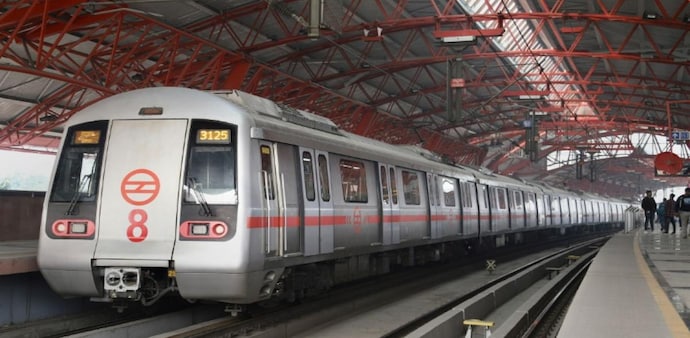
- Dec 24, 2025,
- Updated Dec 24, 2025 4:06 PM IST
The Union Cabinet, chaired by Prime Minister Narendra Modi, on Wednesday approved the development of three new metro corridors in Delhi, further expanding the city's metro network. The newly approved corridors—R.K Ashram Marg to Indraprastha (9.913 km), Aerocity to IGD Airport T-1 (2.263 km), and Tughlakabad to Kalindi Kunj (3.9 km)-will add a total of 16.076 km of metro lines.
The total cost of this Phase-V(A) project is Rs 12,014.91 crore, with funding provided by the Government of India, the Government of Delhi, and international funding agencies. Once completed, these corridors will provide a major boost to daily commuters and travelers, benefitting around 60,000 office goers and 2 lakh visitors in the Central Vista area. These extensions aim to reduce congestion, pollution, and the use of fossil fuels, while making commuting in Delhi more convenient.
The R.K Ashram Marg to Indraprastha section, extending from the existing Botanical Garden-R.K Ashram Marg corridor, will enhance connectivity to the Central Vista area. The new Aerocity to IGD Airport T-1 section, along with the Tughlakabad to Kalindi Kunj line, will strengthen metro access to southern parts of Delhi, including areas like Saket, Chattarpur, and Kalindi Kunj.
Enhancing Delhi's metro network
These new corridors will each consist of multiple stations, contributing to the expansion of Delhi Metro's reach. The R.K Ashram Marg-Indraprastha section will have nine stations, including key locations such as R.K Ashram Marg, Shivaji Stadium, Central Secretariat, Kartavya Bhawan, and India Gate.
The Tughlakabad to Kalindi Kunj corridor will feature three stations, namely Sarita Vihar Depot, Madanpur Khadar, and Kalindi Kunj. The Aerocity station will be connected directly to IGD T-1, ensuring smooth transit for airport travelers.
These extensions are set to improve access to Central Delhi and provide better connections for travelers flying in and out of IGD Airport Terminal 1.
Ongoing progress of Phase-IV
The Delhi Metro network continues to grow, with the ongoing construction of Phase-IV, which includes 111 km of metro lines and 83 stations. The civil construction for Phase-IV’s three priority corridors is approximately 80.43% complete and is expected to be finished in stages by December 2026. Once completed, the Delhi Metro will have the largest metro network in India, with 395 km of tracks and 289 stations, serving millions of passengers daily.
Currently, the Delhi Metro handles around 65 lakh passenger journeys every day, with a record high of 81.87 lakh journeys on August 8, 2025. Delhi Metro has set a global standard for punctuality, safety, and reliability, cementing its position as a lifeline for the city’s commuters.
The Union Cabinet, chaired by Prime Minister Narendra Modi, on Wednesday approved the development of three new metro corridors in Delhi, further expanding the city's metro network. The newly approved corridors—R.K Ashram Marg to Indraprastha (9.913 km), Aerocity to IGD Airport T-1 (2.263 km), and Tughlakabad to Kalindi Kunj (3.9 km)-will add a total of 16.076 km of metro lines.
The total cost of this Phase-V(A) project is Rs 12,014.91 crore, with funding provided by the Government of India, the Government of Delhi, and international funding agencies. Once completed, these corridors will provide a major boost to daily commuters and travelers, benefitting around 60,000 office goers and 2 lakh visitors in the Central Vista area. These extensions aim to reduce congestion, pollution, and the use of fossil fuels, while making commuting in Delhi more convenient.
The R.K Ashram Marg to Indraprastha section, extending from the existing Botanical Garden-R.K Ashram Marg corridor, will enhance connectivity to the Central Vista area. The new Aerocity to IGD Airport T-1 section, along with the Tughlakabad to Kalindi Kunj line, will strengthen metro access to southern parts of Delhi, including areas like Saket, Chattarpur, and Kalindi Kunj.
Enhancing Delhi's metro network
These new corridors will each consist of multiple stations, contributing to the expansion of Delhi Metro's reach. The R.K Ashram Marg-Indraprastha section will have nine stations, including key locations such as R.K Ashram Marg, Shivaji Stadium, Central Secretariat, Kartavya Bhawan, and India Gate.
The Tughlakabad to Kalindi Kunj corridor will feature three stations, namely Sarita Vihar Depot, Madanpur Khadar, and Kalindi Kunj. The Aerocity station will be connected directly to IGD T-1, ensuring smooth transit for airport travelers.
These extensions are set to improve access to Central Delhi and provide better connections for travelers flying in and out of IGD Airport Terminal 1.
Ongoing progress of Phase-IV
The Delhi Metro network continues to grow, with the ongoing construction of Phase-IV, which includes 111 km of metro lines and 83 stations. The civil construction for Phase-IV’s three priority corridors is approximately 80.43% complete and is expected to be finished in stages by December 2026. Once completed, the Delhi Metro will have the largest metro network in India, with 395 km of tracks and 289 stations, serving millions of passengers daily.
Currently, the Delhi Metro handles around 65 lakh passenger journeys every day, with a record high of 81.87 lakh journeys on August 8, 2025. Delhi Metro has set a global standard for punctuality, safety, and reliability, cementing its position as a lifeline for the city’s commuters.