
Eid-ul-Adha 2026: What is the significance of Bakrid, why it is celebrated and more
The festivals honors the devotion and faith of Prophet Ibrahim, who was willing to sacrifice his son in obedience to Allah’s command
- May 28, 2026,
- Updated May 28, 2026 8:00 AM IST
Eid-ul-Adha, also known as Bakrid or Eid al-Adha, is one of the most important festivals celebrated by Muslims across the world. In India, the festival is expected to be observed on May 28, 2026, in most regions following the moon-sighting announcement.
The festival honours the devotion and faith of Prophet Ibrahim, who was willing to sacrifice his son in obedience to Allah’s command. According to Islamic belief, Allah later replaced the sacrifice with a sheep, symbolising mercy and faith. Eid al-Adha is observed on the 10th day of Dhul Hijjah, the final month of the Islamic calendar. The occasion also coincides with the annual Hajj pilgrimage in Saudi Arabia.
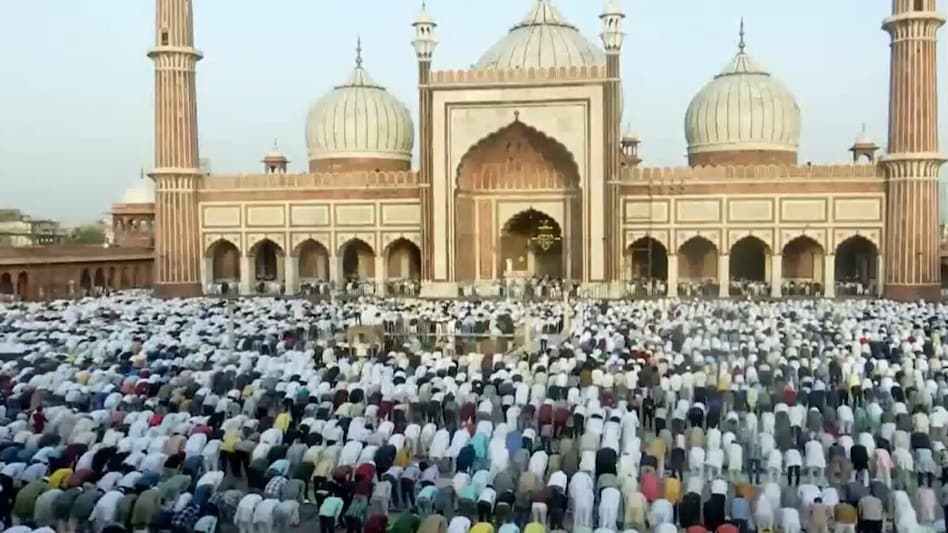
Celebration begins with special morning prayers at Mosques and Eidgahs. Families dress in traditional attire, exchange greetings and prepare festive meals. One of the key rituals of Eid al-Adha is Qurbani, or animal sacrifice, which symbolises sacrifice, gratitude and devotion towards the Almighty Allah.
The meat is traditionally divided into three parts- one for the family, one for relatives and friends, and one for the poor and needy. The festival also carries a strong message of charity and compassion. Muslims are encouraged to help underprivileged communities and share food with those in need.
Markets across India witness increased activity during Eid celebrations, especially in food, livestock, clothing and gifting sectors. Goat markets in cities such as Delhi, Lucknow, Hyderabad and Mumbai see a rise in activity ahead of the festival each year. Sweet shops and restaurants also experience increased demand during the festive period. Bakrid is also a gazetted holiday in India, leading to the closure of banks, schools and stock markets in several states.
Beyond celebration, Eid-ul-Adha serves as a reminder of faith, sacrifice, generosity and community bonding values that remain central to the spirit of the festival.
Eid-ul-Adha, also known as Bakrid or Eid al-Adha, is one of the most important festivals celebrated by Muslims across the world. In India, the festival is expected to be observed on May 28, 2026, in most regions following the moon-sighting announcement.
The festival honours the devotion and faith of Prophet Ibrahim, who was willing to sacrifice his son in obedience to Allah’s command. According to Islamic belief, Allah later replaced the sacrifice with a sheep, symbolising mercy and faith. Eid al-Adha is observed on the 10th day of Dhul Hijjah, the final month of the Islamic calendar. The occasion also coincides with the annual Hajj pilgrimage in Saudi Arabia.
Celebration begins with special morning prayers at Mosques and Eidgahs. Families dress in traditional attire, exchange greetings and prepare festive meals. One of the key rituals of Eid al-Adha is Qurbani, or animal sacrifice, which symbolises sacrifice, gratitude and devotion towards the Almighty Allah.
The meat is traditionally divided into three parts- one for the family, one for relatives and friends, and one for the poor and needy. The festival also carries a strong message of charity and compassion. Muslims are encouraged to help underprivileged communities and share food with those in need.
Markets across India witness increased activity during Eid celebrations, especially in food, livestock, clothing and gifting sectors. Goat markets in cities such as Delhi, Lucknow, Hyderabad and Mumbai see a rise in activity ahead of the festival each year. Sweet shops and restaurants also experience increased demand during the festive period. Bakrid is also a gazetted holiday in India, leading to the closure of banks, schools and stock markets in several states.
Beyond celebration, Eid-ul-Adha serves as a reminder of faith, sacrifice, generosity and community bonding values that remain central to the spirit of the festival.