
Failed JEE twice, learnt product design on YouTube and now earns ₹2 lakh a month: Ankur Warikoo shares Indore man’s journey
Failed JEE twice, learnt product design on YouTube and now earns ₹2 lakh a month: Ankur Warikoo shares Indore man’s journey
Warikoo said qualifications and work experience can describe a person’s past but may not accurately reflect what they are capable of achieving in the future.
Business Today Desk
- Aug 19, 2026,
- Updated Aug 19, 2026 10:00 AM IST
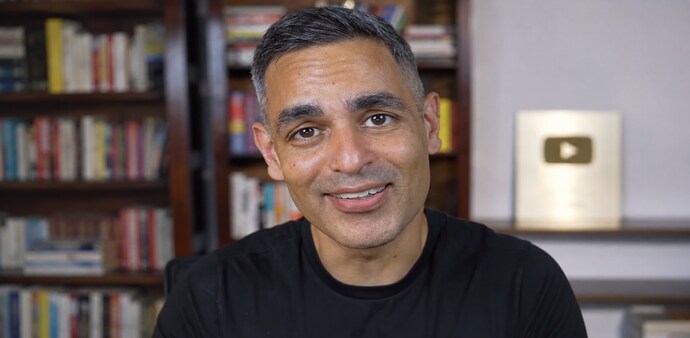
Entrepreneur and content creator Ankur Warikoo shared the designer’s journey in a social media post, arguing that India’s problem is not a lack of talent but the way talent is identified. It is unclear whether the designer failed JEE Main or JEE Advanced.
Advertisement
India has a ‘label problem’, says Warikoo
Warikoo said people are frequently assessed on the basis of the institutions they attended, the degrees they hold or the companies where they have worked, while their skills and potential receive less attention.
“We’ve been trained to recognise talent only when it comes stamped with the right college, degree, or company,” Warikoo said.
He argued that this approach leaves many capable people “invisible” because their abilities do not carry familiar academic or professional labels.
Advertisement
Don't Miss: Meet Lakshmanan Meyyappan, the 21-year-old who became the world’s youngest Chartered Accountant at 16
From failing JEE to learning product design online
Warikoo cited the case of a young man from Indore who failed to clear JEE twice but went on to teach himself product design.
According to Warikoo, the designer studied at night and used YouTube to learn the skills needed to enter the field. He later created a portfolio that Warikoo believed could compete with those of graduates from leading engineering institutes.
“He freelances and makes 2L per month,” Warikoo said.
The claim, including the designer’s income and professional background, could not be independently verified.
Skills versus formal qualifications
Warikoo said qualifications and work experience can describe a person’s past but may not accurately reflect what they are capable of achieving in the future.
Advertisement
“Credentials can tell you where someone has been. They cannot tell you how far they can go,” he said.
The post prompted a debate online over the role of elite institutions and formal education. Some users questioned whether a single success story could be used to challenge the broader value of top colleges. Others said the example showed why portfolios, practical skills and self-learning are becoming increasingly important alongside conventional qualifications.
Online learning platforms have made it easier for young people to acquire specialised skills without following traditional degree programmes, opening alternative routes into fields such as product design, technology and digital services.
Warikoo has also spoken publicly about setbacks in his own academic journey. On his website, he has written that he failed to clear JEE at 18, left a PhD programme in the US at 24 and later pursued entrepreneurship.
Entrepreneur and content creator Ankur Warikoo shared the designer’s journey in a social media post, arguing that India’s problem is not a lack of talent but the way talent is identified. It is unclear whether the designer failed JEE Main or JEE Advanced.
Advertisement
India has a ‘label problem’, says Warikoo
Warikoo said people are frequently assessed on the basis of the institutions they attended, the degrees they hold or the companies where they have worked, while their skills and potential receive less attention.
“We’ve been trained to recognise talent only when it comes stamped with the right college, degree, or company,” Warikoo said.
He argued that this approach leaves many capable people “invisible” because their abilities do not carry familiar academic or professional labels.
Advertisement
Don't Miss: Meet Lakshmanan Meyyappan, the 21-year-old who became the world’s youngest Chartered Accountant at 16
From failing JEE to learning product design online
Warikoo cited the case of a young man from Indore who failed to clear JEE twice but went on to teach himself product design.
According to Warikoo, the designer studied at night and used YouTube to learn the skills needed to enter the field. He later created a portfolio that Warikoo believed could compete with those of graduates from leading engineering institutes.
“He freelances and makes 2L per month,” Warikoo said.
The claim, including the designer’s income and professional background, could not be independently verified.
Skills versus formal qualifications
Warikoo said qualifications and work experience can describe a person’s past but may not accurately reflect what they are capable of achieving in the future.
Advertisement
“Credentials can tell you where someone has been. They cannot tell you how far they can go,” he said.
The post prompted a debate online over the role of elite institutions and formal education. Some users questioned whether a single success story could be used to challenge the broader value of top colleges. Others said the example showed why portfolios, practical skills and self-learning are becoming increasingly important alongside conventional qualifications.
Online learning platforms have made it easier for young people to acquire specialised skills without following traditional degree programmes, opening alternative routes into fields such as product design, technology and digital services.
Warikoo has also spoken publicly about setbacks in his own academic journey. On his website, he has written that he failed to clear JEE at 18, left a PhD programme in the US at 24 and later pursued entrepreneurship.
Read more!