
From Assam to Patna with 65 kg ganja: Patna HC grants bail to juveniles, orders 3-month inquiry
The HC further ordered that if the inquiry reveals concealment of material facts regarding age or fraudulent practices, the State and DRI would be free to move the JJB or the concerned court for cancellation of the bail bonds.
- Sep 21, 2026,
- Updated Sep 21, 2026 11:55 AM IST
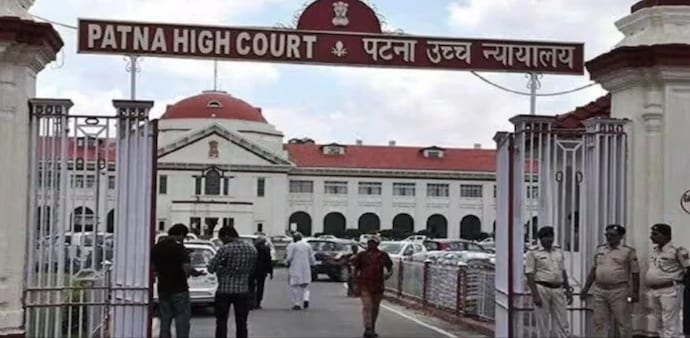
The Patna High Court granted bail to two juveniles who were caught driving from Guwahati, Assam, to Patna with more than 65 kg of ganja. The court also ordered a high-level inquiry into how they travelled such a long distance without the required documents, reported by Livelaw.
A Single Judge Bench of Justice Arun Kumar Jha heard criminal revision petitions arising from a Directorate of Revenue Intelligence (DRI) case in which 65.940 kg (gross weight) and 63.760 kg (net weight) of ganja were allegedly recovered from 109 plastic packets hidden in a secret cavity in the chassis and between the chassis and footsteps of a Mahindra TUV vehicle.
The Juvenile Justice Board (JJB) had initially rejected their bail applications, a decision later affirmed by the appellate court, after determining their ages at the time of the offence as 15 years 9 months and 16 years, respectively, and declaring them “children in conflict with law” (CICL).
Overturning the lower courts’ orders, the High Court held that under Section 12 of the Juvenile Justice (JJ) Act, bail for a CICL is the rule and can be denied only on specific statutory grounds: risk of association with known criminals, exposure to moral, physical or psychological danger, or likelihood of defeating the ends of justice.
The Court ruled that the gravity or commercial quantity of the alleged offence by itself cannot justify refusal of bail to juveniles and found no cogent material establishing any of the grounds for denial, leading to the petitioners’ release on bail.
While granting relief, the Bench expressed concern over discrepancies in age assessment — DRI had initially treated the accused as adults before the Juvenile Justice Board declared them juveniles — and over the fact that they allegedly drove from Guwahati to Didarganj, Patna, without identification, vehicle registration papers, or a driving licence.
Accordingly, the Court directed Patna SSP to conduct an inquiry within three months into whether the petitioners are in fact juveniles; whether they ever attended school or received education; whether they availed any state government benefits requiring proof of age; and whether there were security lapses during their interstate journey.
The High Court further ordered that if the inquiry reveals concealment of material facts regarding age or fraudulent practices, the State and DRI would be free to move the JJB or the concerned court for cancellation of the bail bonds. The inquiry report is to be placed before the High Court after completion, ensuring judicial oversight over the findings.
The Patna High Court granted bail to two juveniles who were caught driving from Guwahati, Assam, to Patna with more than 65 kg of ganja. The court also ordered a high-level inquiry into how they travelled such a long distance without the required documents, reported by Livelaw.
A Single Judge Bench of Justice Arun Kumar Jha heard criminal revision petitions arising from a Directorate of Revenue Intelligence (DRI) case in which 65.940 kg (gross weight) and 63.760 kg (net weight) of ganja were allegedly recovered from 109 plastic packets hidden in a secret cavity in the chassis and between the chassis and footsteps of a Mahindra TUV vehicle.
The Juvenile Justice Board (JJB) had initially rejected their bail applications, a decision later affirmed by the appellate court, after determining their ages at the time of the offence as 15 years 9 months and 16 years, respectively, and declaring them “children in conflict with law” (CICL).
Overturning the lower courts’ orders, the High Court held that under Section 12 of the Juvenile Justice (JJ) Act, bail for a CICL is the rule and can be denied only on specific statutory grounds: risk of association with known criminals, exposure to moral, physical or psychological danger, or likelihood of defeating the ends of justice.
The Court ruled that the gravity or commercial quantity of the alleged offence by itself cannot justify refusal of bail to juveniles and found no cogent material establishing any of the grounds for denial, leading to the petitioners’ release on bail.
While granting relief, the Bench expressed concern over discrepancies in age assessment — DRI had initially treated the accused as adults before the Juvenile Justice Board declared them juveniles — and over the fact that they allegedly drove from Guwahati to Didarganj, Patna, without identification, vehicle registration papers, or a driving licence.
Accordingly, the Court directed Patna SSP to conduct an inquiry within three months into whether the petitioners are in fact juveniles; whether they ever attended school or received education; whether they availed any state government benefits requiring proof of age; and whether there were security lapses during their interstate journey.
The High Court further ordered that if the inquiry reveals concealment of material facts regarding age or fraudulent practices, the State and DRI would be free to move the JJB or the concerned court for cancellation of the bail bonds. The inquiry report is to be placed before the High Court after completion, ensuring judicial oversight over the findings.