
From storage to transport, FSSAI tightens checks on how paneer, meat, fish and khoa reach consumers
FSSAI has asked businesses to transport these products only in clean, covered and hygienic vehicles or conveyances suitable for food transportation.
- Oct 18, 2026,
- Updated Oct 18, 2026 3:49 PM IST
The food safety regulator has tightened checks on how perishable food such as paneer, khoa, meat and fish are stored and transported, asking food businesses to maintain the required temperature from sourcing to delivery.
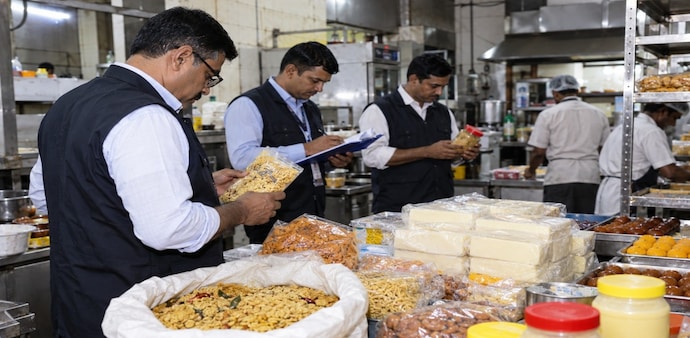
The Food Safety and Standards Authority of India (FSSAI) has also directed state food safety officers to keep a close watch on compliance and take action when businesses fail to follow the rules.
In a social media post on Sunday, FSSAI said it had issued an advisory on "handling, storage, and transportation of perishable foods like khoa, paneer, meat, and fish under controlled temperature conditions throughout the supply chain".
FBOs must ensure strict adherence to hygiene and temperature standards, it added.
FSSAI said it has specified hygienic and sanitary requirements for food business operators under Schedule 4 of the Food Safety and Standards (Licensing and Registration of Food Businesses) Regulations, 2011.
"It has been brought to the notice of FSSAI that perishable food commodities such as khoa, paneer, meat, fish, etc., are at times not handled, stored or transported under appropriate temperature conditions," the advisory said.
The regulator said these foods can quickly develop microbial growth and spoil if they are not kept at the appropriate temperature.
Temperature must be maintained across supply chain
FSSAI said food businesses are required to maintain the prescribed temperature throughout the supply chain, starting from procurement or sourcing and continuing until delivery to the end consumer.
"Subjecting these food products to temperature abuse may adversely affect food safety and public health and constitutes non-compliance with the hygiene and sanitary requirements," the advisory said.
The regulator has directed all FBOs involved in the manufacture, packing, storage, transportation, distribution and sale of these perishable food commodities to strictly follow the rules.
Clean vehicles and food-grade packaging
FSSAI has asked businesses to transport these products only in clean, covered and hygienic vehicles or conveyances suitable for food transportation.
FBOs have also been advised to maintain the prescribed temperature during storage and transportation and use only food-grade packaging and suitable secondary packaging materials.
"Protect the product from dust, moisture, pests, physical damage and cross- contamination during storage, loading, unloading and transportation," FSSAI told FBOs.
Businesses also need to maintain proper records and traceability of consignments and produce invoices or other relevant documents.
Action against violations
FSSAI has asked the commissioners of food safety at the state level, Indian Railways and Regional Directors of FSSAI to direct the concerned licensing authorities and food safety officers to maintain strict vigilance during inspections and transportation checks.
The aim is to ensure that businesses comply with the law at every stage of the supply chain.
In case of non-compliance, authorities can initiate appropriate action, including seizure and destruction of the food items.
The food safety regulator has tightened checks on how perishable food such as paneer, khoa, meat and fish are stored and transported, asking food businesses to maintain the required temperature from sourcing to delivery.
The Food Safety and Standards Authority of India (FSSAI) has also directed state food safety officers to keep a close watch on compliance and take action when businesses fail to follow the rules.
In a social media post on Sunday, FSSAI said it had issued an advisory on "handling, storage, and transportation of perishable foods like khoa, paneer, meat, and fish under controlled temperature conditions throughout the supply chain".
FBOs must ensure strict adherence to hygiene and temperature standards, it added.
FSSAI said it has specified hygienic and sanitary requirements for food business operators under Schedule 4 of the Food Safety and Standards (Licensing and Registration of Food Businesses) Regulations, 2011.
"It has been brought to the notice of FSSAI that perishable food commodities such as khoa, paneer, meat, fish, etc., are at times not handled, stored or transported under appropriate temperature conditions," the advisory said.
The regulator said these foods can quickly develop microbial growth and spoil if they are not kept at the appropriate temperature.
Temperature must be maintained across supply chain
FSSAI said food businesses are required to maintain the prescribed temperature throughout the supply chain, starting from procurement or sourcing and continuing until delivery to the end consumer.
"Subjecting these food products to temperature abuse may adversely affect food safety and public health and constitutes non-compliance with the hygiene and sanitary requirements," the advisory said.
The regulator has directed all FBOs involved in the manufacture, packing, storage, transportation, distribution and sale of these perishable food commodities to strictly follow the rules.
Clean vehicles and food-grade packaging
FSSAI has asked businesses to transport these products only in clean, covered and hygienic vehicles or conveyances suitable for food transportation.
FBOs have also been advised to maintain the prescribed temperature during storage and transportation and use only food-grade packaging and suitable secondary packaging materials.
"Protect the product from dust, moisture, pests, physical damage and cross- contamination during storage, loading, unloading and transportation," FSSAI told FBOs.
Businesses also need to maintain proper records and traceability of consignments and produce invoices or other relevant documents.
Action against violations
FSSAI has asked the commissioners of food safety at the state level, Indian Railways and Regional Directors of FSSAI to direct the concerned licensing authorities and food safety officers to maintain strict vigilance during inspections and transportation checks.
The aim is to ensure that businesses comply with the law at every stage of the supply chain.
In case of non-compliance, authorities can initiate appropriate action, including seizure and destruction of the food items.