
FTA with EFTA bloc to start from October 1; India eyes new pacts with US, EU: Piyush Goyal
Goyal emphasised that developed nations are actively seeking FTAs with India, following already concluded pacts with the UAE, Australia, and the UK. “India’s foreign exchange reserves have touched $700 billion,” Goyal noted, underlining India’s strong macroeconomic position.
- Sep 29, 2025,
- Updated Sep 29, 2025 5:51 PM IST
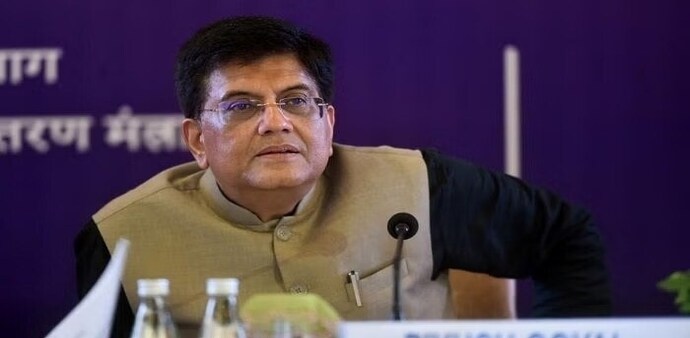
India’s Free Trade Agreement with the European Free Trade Association (EFTA) — comprising Iceland, Liechtenstein, Norway, and Switzerland — will come into force on October 1, 2025, Union Minister of Commerce & Industry Piyush Goyal announced at the UP International Trade Show. The agreement, finalized in March 2024, marks another key milestone in India’s expanding global trade engagement.
Goyal emphasised that developed nations are actively seeking FTAs with India, following already concluded pacts with the UAE, Australia, and the UK. “India’s foreign exchange reserves have touched $700 billion,” Goyal noted, underlining India’s strong macroeconomic position.
He confirmed that India is currently in trade discussions with the United States, European Union, New Zealand, Oman, Peru, and Chile, while Qatar and Bahrain have also shown interest. Terms of Reference with the Eurasian region have been finalised, reflecting “India’s strong global standing,” he said.
Calling September 22 a historic date, Goyal hailed the recent Goods and Services Tax reforms introduced during Navaratri as “the biggest reform since Independence,” crediting Prime Minister Narendra Modi’s leadership for the transformation. “The impact will be felt for decades,” he said.
The Union minister pointed out that India has risen from a fragile economy in 2014 to become the world’s fourth-largest economy, with a targeted GDP size of $5 trillion by 2027. He added that inflation stands at 2 percent — the lowest in a decade — while GDP growth for the last quarter reached 7.8 percent. “India’s banking sector is robust, and interest rates have come down,” Goyal said.
He also spotlighted India’s renewed focus on the North-Eastern and Eastern regions through cooperative development with state governments. In Uttar Pradesh, Goyal praised the state’s creation of India’s first Export Promotion Ministry and cited the significant growth of sectors like khadi, cotton, and cottage industries under the One District, One Product (ODOP) initiative. Now operational in over 750 districts, the ODOP program covers more than 1,200 products promoted both domestically and globally.
To support these efforts, unity malls will be established in every state, with Uttar Pradesh housing three in Lucknow, Agra and Varanasi. “Every product carries the blood and toil of Indian workers,” Goyal said, urging wider adoption of swadeshi goods and support for MSMEs and women entrepreneurs through platforms like the UP International Trade Show.
India’s Free Trade Agreement with the European Free Trade Association (EFTA) — comprising Iceland, Liechtenstein, Norway, and Switzerland — will come into force on October 1, 2025, Union Minister of Commerce & Industry Piyush Goyal announced at the UP International Trade Show. The agreement, finalized in March 2024, marks another key milestone in India’s expanding global trade engagement.
Goyal emphasised that developed nations are actively seeking FTAs with India, following already concluded pacts with the UAE, Australia, and the UK. “India’s foreign exchange reserves have touched $700 billion,” Goyal noted, underlining India’s strong macroeconomic position.
He confirmed that India is currently in trade discussions with the United States, European Union, New Zealand, Oman, Peru, and Chile, while Qatar and Bahrain have also shown interest. Terms of Reference with the Eurasian region have been finalised, reflecting “India’s strong global standing,” he said.
Calling September 22 a historic date, Goyal hailed the recent Goods and Services Tax reforms introduced during Navaratri as “the biggest reform since Independence,” crediting Prime Minister Narendra Modi’s leadership for the transformation. “The impact will be felt for decades,” he said.
The Union minister pointed out that India has risen from a fragile economy in 2014 to become the world’s fourth-largest economy, with a targeted GDP size of $5 trillion by 2027. He added that inflation stands at 2 percent — the lowest in a decade — while GDP growth for the last quarter reached 7.8 percent. “India’s banking sector is robust, and interest rates have come down,” Goyal said.
He also spotlighted India’s renewed focus on the North-Eastern and Eastern regions through cooperative development with state governments. In Uttar Pradesh, Goyal praised the state’s creation of India’s first Export Promotion Ministry and cited the significant growth of sectors like khadi, cotton, and cottage industries under the One District, One Product (ODOP) initiative. Now operational in over 750 districts, the ODOP program covers more than 1,200 products promoted both domestically and globally.
To support these efforts, unity malls will be established in every state, with Uttar Pradesh housing three in Lucknow, Agra and Varanasi. “Every product carries the blood and toil of Indian workers,” Goyal said, urging wider adoption of swadeshi goods and support for MSMEs and women entrepreneurs through platforms like the UP International Trade Show.