
Gold price surge drives silver rush: BIS ramps up hallmarking labs across India
Silver hallmarking has been voluntary in India since 2005. To strengthen purity verification, BIS introduced a Hallmark Unique Identification (HUID) number for hallmarked silver items in September 2025, allowing buyers to track and verify authenticity.
- Aug 9, 2026,
- Updated Aug 9, 2026 3:29 PM IST
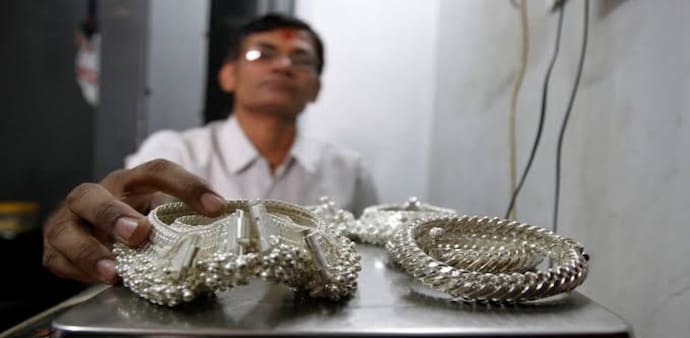
As skyrocketing gold prices push Indian consumers toward silver, the Bureau of Indian Standards (BIS) is moving swiftly to scale up testing and certification infrastructure across the country to keep pace with surging demand.
The national standards body is preparing to expand its network of referral and assay laboratories for silver nationwide over the next two years, ensuring consumer trust remains intact as silver purchases rise dramatically.
Silver hallmarking has been voluntary in India since 2005. To strengthen purity verification, BIS introduced a Hallmark Unique Identification (HUID) number for hallmarked silver items in September 2025, allowing buyers to track and verify authenticity.
The impact of the move was immediate: official data reveals that the volume of hallmarked silver items nearly doubled to 5.9 million pieces in the 2025-26 fiscal year, up from 3.2 million in 2024-25. Around 230 BIS-recognised Assaying and Hallmarking Centres currently handle silver testing in India.
"Last year, we introduced HUID for silver jewellery as well, and demand is increasing. We have taken stock of the requirements and are ready to take up silver jewellery testing in a big way in our laboratories," BIS Deputy Director General (Laboratories) Nishat S Haque told PTI. "We will be able to handle the requirement within our own labs for roughly the next two years. Within that period, we will be expanding referral and assay laboratories across the country," she added.
In-house gold surveillance & network expansion
While silver capacity is expanding, BIS maintains strict in-house control over gold surveillance to preserve high consumer confidence. Market surveillance testing of hallmarked gold items is conducted strictly within BIS’s proprietary laboratory setup rather than being outsourced.
This approach reflects a broader expansion of the regulator’s testing footprint. Over the past year, BIS tested nearly 270,000 product samples across its network. The organisation currently operates 10 standalone laboratories, supported by a network built under its Laboratory Recognition Scheme established in 1985.
"In 2014 we had around 147 recognised laboratories and only 24 government laboratories empanelled with us. Today we are having 440 recognised laboratories and 350 empanelled laboratories," Haque told PTI. Out of nearly 23,000 standards established by BIS, around 700 are mandatory. The network continues to expand into specialized domain areas, including recent empanelments for CCTV security equipment, power transmission line testing, and petrochemicals.
Robotics, AI and specialized mandates
To handle increasing workloads without compromising precision, BIS is integrating automation, artificial intelligence, and robotics into its laboratory workflows. This year, the agency is piloting a pick-and-place robotic arm for cement testing to evaluate speed and accuracy before rolling out similar automation across other testing procedures.
Test instruments are also being linked directly to the digital Laboratory Information Management System (LIMS) for direct, unalterable data capture alongside complete CCTV surveillance in testing bays.
Beyond precious metals, BIS manages several critical specialised mandates. Following a 2016 mandate requiring mobile phones sold in India to support English, Hindi, and regional text messaging — and display all 22 official languages for emergency communications — BIS created specialised testing infrastructure from scratch. Additionally, the RBI has tasked BIS's Central Laboratory in Sahibabad with verifying the ability of commercial note-sorting machines to identify counterfeit currency.
As skyrocketing gold prices push Indian consumers toward silver, the Bureau of Indian Standards (BIS) is moving swiftly to scale up testing and certification infrastructure across the country to keep pace with surging demand.
The national standards body is preparing to expand its network of referral and assay laboratories for silver nationwide over the next two years, ensuring consumer trust remains intact as silver purchases rise dramatically.
Silver hallmarking has been voluntary in India since 2005. To strengthen purity verification, BIS introduced a Hallmark Unique Identification (HUID) number for hallmarked silver items in September 2025, allowing buyers to track and verify authenticity.
The impact of the move was immediate: official data reveals that the volume of hallmarked silver items nearly doubled to 5.9 million pieces in the 2025-26 fiscal year, up from 3.2 million in 2024-25. Around 230 BIS-recognised Assaying and Hallmarking Centres currently handle silver testing in India.
"Last year, we introduced HUID for silver jewellery as well, and demand is increasing. We have taken stock of the requirements and are ready to take up silver jewellery testing in a big way in our laboratories," BIS Deputy Director General (Laboratories) Nishat S Haque told PTI. "We will be able to handle the requirement within our own labs for roughly the next two years. Within that period, we will be expanding referral and assay laboratories across the country," she added.
In-house gold surveillance & network expansion
While silver capacity is expanding, BIS maintains strict in-house control over gold surveillance to preserve high consumer confidence. Market surveillance testing of hallmarked gold items is conducted strictly within BIS’s proprietary laboratory setup rather than being outsourced.
This approach reflects a broader expansion of the regulator’s testing footprint. Over the past year, BIS tested nearly 270,000 product samples across its network. The organisation currently operates 10 standalone laboratories, supported by a network built under its Laboratory Recognition Scheme established in 1985.
"In 2014 we had around 147 recognised laboratories and only 24 government laboratories empanelled with us. Today we are having 440 recognised laboratories and 350 empanelled laboratories," Haque told PTI. Out of nearly 23,000 standards established by BIS, around 700 are mandatory. The network continues to expand into specialized domain areas, including recent empanelments for CCTV security equipment, power transmission line testing, and petrochemicals.
Robotics, AI and specialized mandates
To handle increasing workloads without compromising precision, BIS is integrating automation, artificial intelligence, and robotics into its laboratory workflows. This year, the agency is piloting a pick-and-place robotic arm for cement testing to evaluate speed and accuracy before rolling out similar automation across other testing procedures.
Test instruments are also being linked directly to the digital Laboratory Information Management System (LIMS) for direct, unalterable data capture alongside complete CCTV surveillance in testing bays.
Beyond precious metals, BIS manages several critical specialised mandates. Following a 2016 mandate requiring mobile phones sold in India to support English, Hindi, and regional text messaging — and display all 22 official languages for emergency communications — BIS created specialised testing infrastructure from scratch. Additionally, the RBI has tasked BIS's Central Laboratory in Sahibabad with verifying the ability of commercial note-sorting machines to identify counterfeit currency.