
GRAP-4 in Delhi-NCR explained: Check list of dos & dont's ahead of your Sunday plans
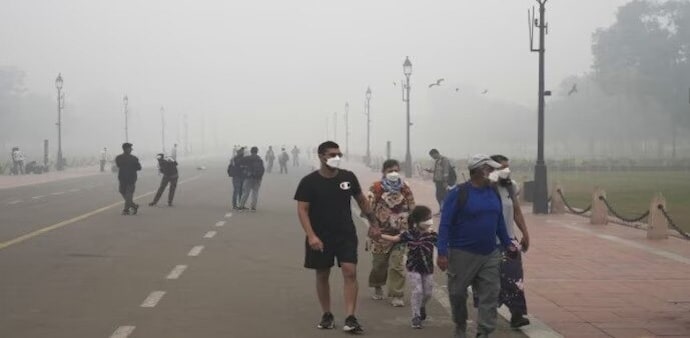
GRAP-4 is an emergency public-health response aimed at cutting emissions quickly during extreme pollution episodes. The goal is to prevent long-term health damage by reducing vehicular, construction and industrial pollution at the peak of the crisis.
- Dec 13, 2025,
- Updated Dec 13, 2025 10:51 PM IST
GRAP (Graded Response Action Plan) Stage 4 is the strictest level of anti-pollution measures enforced in Delhi-NCR. It is triggered when air quality slips into the “Severe Plus” category, typically when the AQI crosses 450 or is forecast to remain extremely poor.
The measures are implemented by the Commission for Air Quality Management (CAQM) to protect public health during extreme pollution episodes.
What Is Restricted Under GRAP-4
Vehicle Restrictions
- All trucks are barred from entering Delhi, except those: carrying essential goods, providing essential services, or running on CNG, LNG, electric power, or BS-VI diesel.
- Light commercial vehicles (LCVs) registered outside Delhi are banned unless they meet clean-fuel norms or carry essential supplies.
- Delhi-registered BS-IV and older diesel medium and heavy goods vehicles are prohibited from operating, except for essential services.
Construction and Demolition
All construction and demolition (C&D) activities are completely banned, including:
- roads, highways, flyovers,
- pipelines, power transmission lines,
- housing and commercial projects.
Only critical infrastructure projects such as railways, airports, hospitals, defence and emergency works may be exempted on a case-to-case basis.
Schools and Educational Institutions
- Authorities may order closure of physical classes for most grades.
- Schools often shift to online learning, especially for Classes VI to IX and XI.
- Classes X and XII may be allowed to continue in physical mode depending on board exam schedules and local orders.
Offices and Workplaces
- Government and private offices directed to:
- operate with 50% staff capacity, or
- implement work-from-home arrangements.
- Central and state departments can issue separate advisories for employee attendance.
Commercial Activities
- Non-essential commercial establishments may face reduced operating hours or closure if ordered by local authorities.
- Restaurants, shops and markets may continue to function with restrictions, depending on state directives.
What Is Allowed During GRAP-4
- Essential services such as hospitals, pharmacies, emergency services, power, water and food supply remain operational.
- Public transport including metro, buses and shared mobility services continues to operate.
- Electric, CNG and BS-VI compliant vehicles are permitted.
- Private vehicles are generally allowed, though citizens are advised to limit usage.
- Inter-state movement of essential goods is permitted.
- Vulnerable groups such as children, elderly and people with respiratory illnesses are advised to stay indoors.
Additional measures that may be considered
- Introduction of odd-even traffic scheme.
- Further tightening of vehicle usage.
- Closure of additional commercial activities if pollution persists.
GRAP-4 is an emergency public-health response aimed at cutting emissions quickly during extreme pollution episodes. The goal is to prevent long-term health damage by reducing vehicular, construction and industrial pollution at the peak of the crisis.
GRAP (Graded Response Action Plan) Stage 4 is the strictest level of anti-pollution measures enforced in Delhi-NCR. It is triggered when air quality slips into the “Severe Plus” category, typically when the AQI crosses 450 or is forecast to remain extremely poor.
The measures are implemented by the Commission for Air Quality Management (CAQM) to protect public health during extreme pollution episodes.
What Is Restricted Under GRAP-4
Vehicle Restrictions
- All trucks are barred from entering Delhi, except those: carrying essential goods, providing essential services, or running on CNG, LNG, electric power, or BS-VI diesel.
- Light commercial vehicles (LCVs) registered outside Delhi are banned unless they meet clean-fuel norms or carry essential supplies.
- Delhi-registered BS-IV and older diesel medium and heavy goods vehicles are prohibited from operating, except for essential services.
Construction and Demolition
All construction and demolition (C&D) activities are completely banned, including:
- roads, highways, flyovers,
- pipelines, power transmission lines,
- housing and commercial projects.
Only critical infrastructure projects such as railways, airports, hospitals, defence and emergency works may be exempted on a case-to-case basis.
Schools and Educational Institutions
- Authorities may order closure of physical classes for most grades.
- Schools often shift to online learning, especially for Classes VI to IX and XI.
- Classes X and XII may be allowed to continue in physical mode depending on board exam schedules and local orders.
Offices and Workplaces
- Government and private offices directed to:
- operate with 50% staff capacity, or
- implement work-from-home arrangements.
- Central and state departments can issue separate advisories for employee attendance.
Commercial Activities
- Non-essential commercial establishments may face reduced operating hours or closure if ordered by local authorities.
- Restaurants, shops and markets may continue to function with restrictions, depending on state directives.
What Is Allowed During GRAP-4
- Essential services such as hospitals, pharmacies, emergency services, power, water and food supply remain operational.
- Public transport including metro, buses and shared mobility services continues to operate.
- Electric, CNG and BS-VI compliant vehicles are permitted.
- Private vehicles are generally allowed, though citizens are advised to limit usage.
- Inter-state movement of essential goods is permitted.
- Vulnerable groups such as children, elderly and people with respiratory illnesses are advised to stay indoors.
Additional measures that may be considered
- Introduction of odd-even traffic scheme.
- Further tightening of vehicle usage.
- Closure of additional commercial activities if pollution persists.
GRAP-4 is an emergency public-health response aimed at cutting emissions quickly during extreme pollution episodes. The goal is to prevent long-term health damage by reducing vehicular, construction and industrial pollution at the peak of the crisis.