
H1N1 cases in Delhi jump nearly six times in a year; Doctors say don't treat it like regular flu: All you need to know
For people who are otherwise in good health, H1N1 runs a course familiar to most flu sufferers: fever, cough, a sore throat, body aches, and tiredness that eventually fades
- Aug 11, 2026,
- Updated Aug 11, 2026 9:57 AM IST
Delhi's flu season has taken a troubling turn. H1N1 influenza cases in the city have shot up to 1,349 this season, PTI reported, compared to just 229 during the same period a year ago, nearly a sixfold increase that has doctors urging residents not to wave it off as an ordinary cold.
Health Minister Pankaj Singh said, "Regular testing for H1N1 is being carried out, and around 1,349 people have tested positive so far this year, with the cases increasing this monsoon. All of them are undergoing treatment and many of them got treated and went home. I am happy to say that there has been no mishap due to either dengue or H1N1. The Delhi government, the Health Department and all our hospitals are fully prepared to deal with these diseases."
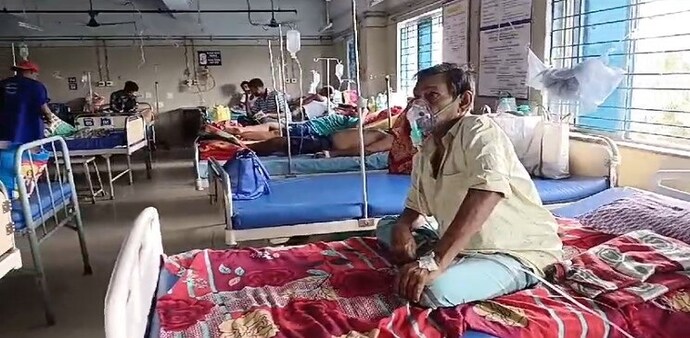
The minister stated that government hospitals have prepared special areas, including separate wards and private rooms, specifically for patients suffering from H1N1 and dengue.
Why this is different from a typical flu
For people who are otherwise in good health, H1N1 runs a course familiar to most flu sufferers: fever, cough, a sore throat, body aches, and tiredness that eventually fades. The concern lies with those who don't have that buffer.
Older adults, pregnant women, young children, people with diabetes, and those living with chronic heart or lung conditions face a meaningfully higher risk of the infection turning severe. The same applies to anyone with a compromised immune system. For these groups, what begins as a manageable illness can escalate quickly.
What actually helps, and what doesn't
Because H1N1 is caused by a virus, antibiotics are of no use against it. Reaching for them anyway doesn't just fail to help; it contributes to the broader problem of antimicrobial resistance, making bacterial infections harder to treat down the line.
Antiviral medications are an option doctors may consider depending on how unwell a patient is and what risk factors they carry, particularly when symptoms are severe or deteriorating. The advice from medical professionals is straightforward: if things are getting worse rather than better, seek attention early rather than waiting it out.
How to lower your risk
Annual flu vaccination remains one of the most effective tools for reducing the likelihood of serious illness. It doesn't guarantee immunity, but it substantially lowers the chances of ending up hospitalised or facing complications.
Beyond vaccination, the basics carry real weight, washing hands regularly, covering the mouth and nose when coughing or sneezing, keeping distance from others when unwell, and simply staying home rather than carrying the infection into public spaces.
With the season's numbers running at levels the city hasn't seen in recent years, doctors are asking people to take influenza more seriously than usual, especially those who fall into the higher-risk categories.
(With inputs from PTI)
Delhi's flu season has taken a troubling turn. H1N1 influenza cases in the city have shot up to 1,349 this season, PTI reported, compared to just 229 during the same period a year ago, nearly a sixfold increase that has doctors urging residents not to wave it off as an ordinary cold.
Health Minister Pankaj Singh said, "Regular testing for H1N1 is being carried out, and around 1,349 people have tested positive so far this year, with the cases increasing this monsoon. All of them are undergoing treatment and many of them got treated and went home. I am happy to say that there has been no mishap due to either dengue or H1N1. The Delhi government, the Health Department and all our hospitals are fully prepared to deal with these diseases."
The minister stated that government hospitals have prepared special areas, including separate wards and private rooms, specifically for patients suffering from H1N1 and dengue.
Why this is different from a typical flu
For people who are otherwise in good health, H1N1 runs a course familiar to most flu sufferers: fever, cough, a sore throat, body aches, and tiredness that eventually fades. The concern lies with those who don't have that buffer.
Older adults, pregnant women, young children, people with diabetes, and those living with chronic heart or lung conditions face a meaningfully higher risk of the infection turning severe. The same applies to anyone with a compromised immune system. For these groups, what begins as a manageable illness can escalate quickly.
What actually helps, and what doesn't
Because H1N1 is caused by a virus, antibiotics are of no use against it. Reaching for them anyway doesn't just fail to help; it contributes to the broader problem of antimicrobial resistance, making bacterial infections harder to treat down the line.
Antiviral medications are an option doctors may consider depending on how unwell a patient is and what risk factors they carry, particularly when symptoms are severe or deteriorating. The advice from medical professionals is straightforward: if things are getting worse rather than better, seek attention early rather than waiting it out.
How to lower your risk
Annual flu vaccination remains one of the most effective tools for reducing the likelihood of serious illness. It doesn't guarantee immunity, but it substantially lowers the chances of ending up hospitalised or facing complications.
Beyond vaccination, the basics carry real weight, washing hands regularly, covering the mouth and nose when coughing or sneezing, keeping distance from others when unwell, and simply staying home rather than carrying the infection into public spaces.
With the season's numbers running at levels the city hasn't seen in recent years, doctors are asking people to take influenza more seriously than usual, especially those who fall into the higher-risk categories.
(With inputs from PTI)