
Delhi H1N1 outbreak: No cause for panic, currently circulating strain not a new one, says ICMR
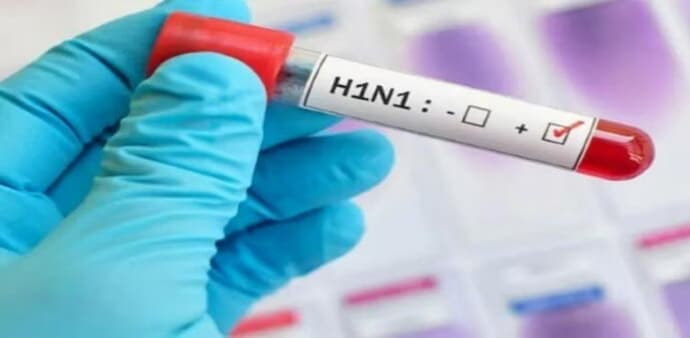
The clarification comes as Delhi grapples with a sharp rise in swine flu cases. Health department data reveals that the national capital has recorded 1,777 confirmed H1N1 cases out of 2,392 total Influenza-A infections reported so far this year, a nearly six-fold increase.
- Aug 23, 2026,
- Updated Aug 23, 2026 6:24 PM IST
Scientists at the Indian Council of Medical Research (ICMR) have reassured the public that the Influenza A (H1N1) pdm09 viruses currently circulating in India do not represent a new strain, ruling out any cause for panic despite a notable seasonal uptick in infections.
According to senior scientists at the ICMR, detailed surveillance reveals that the Influenza A (H1N1) pdm09 viruses currently circulating in the country belong to the A/Missouri/11/2025 (H1N1) pdm09-like virus strain.
These viruses belong to clade 6B.1A.5a2a, subclade D.3.1.1, and have been in circulation since 2025. Health authorities emphasized that these strains are well matched with the vaccine strains recommended for the Northern Hemisphere.
The clarification comes as Delhi grapples with a sharp rise in swine flu cases. Health department data reveals that the national capital has recorded 1,777 confirmed H1N1 cases out of 2,392 total Influenza-A infections reported so far this year — a nearly six-fold increase compared to the 229 cases reported during the corresponding period last year. Overall influenza cases in the city have crossed the 2,600 mark.
Medical experts attribute the unusual early-season surge to high humidity, shifting monsoon temperatures, and increased indoor gatherings, which together create ideal conditions for viral transmission.
While seasonal influenza is mostly self-limiting — with standard common symptoms including fever, cough, headache, and body ache resolving with appropriate care and rest — physicians across Delhi-NCR are reporting a higher proportion of severe presentations. However, young children, elderly persons and individuals with underlying medical conditions may be at greater risk of complications.
Union Health Minister JP Nadda and Delhi Health Minister Pankaj Kumar Singh reviewed healthcare readiness across the capital. Authorities confirmed that 35 designated hospitals have been placed under heightened surveillance, with referral testing facilities activated at AIIMS and the National Centre for Disease Control (NCDC). Health officials confirmed that adequate beds, oxygen supply, key medications, and ventilators remain available to handle any surge in admissions.
The Health Ministry and local authorities have advised citizens to practice basic respiratory hygiene, wear masks in crowded indoor environments, wash hands frequently, and avoid self-medication.
Who can stay at home?
Under the official guidelines, patients with mild symptoms fall into Category A and are managed at home:
- Category A Symptoms: Mild fever, cough, sore throat, runny nose, body ache, or headache.
- Action Required: Home isolation, symptomatic relief, and continuous monitoring. No antiviral medication (such as Oseltamivir) or laboratory testing is required for Category A patients.
- Note on Category B: Patients with high fever or severe sore throat who belong to high-risk groups — such as pregnant women, adults over 65, young children, or individuals with chronic illnesses like asthma, diabetes, or heart disease — are prescribed antivirals by a physician and instructed to isolate at home while being closely monitored.
Standard home care guidelines
For individuals recovering from mild H1N1 infection at home, health authorities advise:
- Strict Isolation: Stay in a well-ventilated room away from other household members, especially young children, elderly family members, and those with underlying conditions.
- Hydration & Rest: Maintain high fluid intake (water, warm soups, herbal teas) and get ample rest to allow the immune system to fight the virus.
- Hygiene Measures: Cover mouth and nose with tissues or the inner elbow when coughing or sneezing, wear a well-fitted mask if around family members, and wash hands frequently with soap and water.
- Avoid Self-Medication: Do not self-administer antibiotics or over-the-counter antivirals. Paracetamol or antipyretics may be used for fever and body aches under a doctor's advice.
Critical red flag warnings (Category C)
If a patient exhibits any of the following Category C red flag symptoms, emergency medical care and hospital admission are required immediately:
For Adults
- Breathing Difficulty: Shortness of breath, rapid breathing, or oxygen saturation dropping below standard levels.
- Chest Pain: Persistent pain or feeling of tightness/pressure in the chest.
- Neurological Signs: Dizziness, altered mental state, confusion, severe drowsiness, or inability to stay alert.
- Severe Gastrointestinal Symptoms: Continuous vomiting or diarrhea leading to signs of dehydration (lack of urination, extreme dry mouth).
- Blood in Sputum: Coughing up blood-stained mucus.
- Sudden Relapse: Initial improvement followed by a rapid return of high fever, severe cough, and worsening weakness.
For Children
- Fast, labored, or irregular breathing.
- Bluish or grayish tinge to the lips, skin, or nail beds.
- Refusal to feed, inability to drink fluids, or crying without tears.
- Extreme lethargy, severe irritability, or failure to wake up or interact.
Scientists at the Indian Council of Medical Research (ICMR) have reassured the public that the Influenza A (H1N1) pdm09 viruses currently circulating in India do not represent a new strain, ruling out any cause for panic despite a notable seasonal uptick in infections.
According to senior scientists at the ICMR, detailed surveillance reveals that the Influenza A (H1N1) pdm09 viruses currently circulating in the country belong to the A/Missouri/11/2025 (H1N1) pdm09-like virus strain.
These viruses belong to clade 6B.1A.5a2a, subclade D.3.1.1, and have been in circulation since 2025. Health authorities emphasized that these strains are well matched with the vaccine strains recommended for the Northern Hemisphere.
The clarification comes as Delhi grapples with a sharp rise in swine flu cases. Health department data reveals that the national capital has recorded 1,777 confirmed H1N1 cases out of 2,392 total Influenza-A infections reported so far this year — a nearly six-fold increase compared to the 229 cases reported during the corresponding period last year. Overall influenza cases in the city have crossed the 2,600 mark.
Medical experts attribute the unusual early-season surge to high humidity, shifting monsoon temperatures, and increased indoor gatherings, which together create ideal conditions for viral transmission.
While seasonal influenza is mostly self-limiting — with standard common symptoms including fever, cough, headache, and body ache resolving with appropriate care and rest — physicians across Delhi-NCR are reporting a higher proportion of severe presentations. However, young children, elderly persons and individuals with underlying medical conditions may be at greater risk of complications.
Union Health Minister JP Nadda and Delhi Health Minister Pankaj Kumar Singh reviewed healthcare readiness across the capital. Authorities confirmed that 35 designated hospitals have been placed under heightened surveillance, with referral testing facilities activated at AIIMS and the National Centre for Disease Control (NCDC). Health officials confirmed that adequate beds, oxygen supply, key medications, and ventilators remain available to handle any surge in admissions.
The Health Ministry and local authorities have advised citizens to practice basic respiratory hygiene, wear masks in crowded indoor environments, wash hands frequently, and avoid self-medication.
Who can stay at home?
Under the official guidelines, patients with mild symptoms fall into Category A and are managed at home:
- Category A Symptoms: Mild fever, cough, sore throat, runny nose, body ache, or headache.
- Action Required: Home isolation, symptomatic relief, and continuous monitoring. No antiviral medication (such as Oseltamivir) or laboratory testing is required for Category A patients.
- Note on Category B: Patients with high fever or severe sore throat who belong to high-risk groups — such as pregnant women, adults over 65, young children, or individuals with chronic illnesses like asthma, diabetes, or heart disease — are prescribed antivirals by a physician and instructed to isolate at home while being closely monitored.
Standard home care guidelines
For individuals recovering from mild H1N1 infection at home, health authorities advise:
- Strict Isolation: Stay in a well-ventilated room away from other household members, especially young children, elderly family members, and those with underlying conditions.
- Hydration & Rest: Maintain high fluid intake (water, warm soups, herbal teas) and get ample rest to allow the immune system to fight the virus.
- Hygiene Measures: Cover mouth and nose with tissues or the inner elbow when coughing or sneezing, wear a well-fitted mask if around family members, and wash hands frequently with soap and water.
- Avoid Self-Medication: Do not self-administer antibiotics or over-the-counter antivirals. Paracetamol or antipyretics may be used for fever and body aches under a doctor's advice.
Critical red flag warnings (Category C)
If a patient exhibits any of the following Category C red flag symptoms, emergency medical care and hospital admission are required immediately:
For Adults
- Breathing Difficulty: Shortness of breath, rapid breathing, or oxygen saturation dropping below standard levels.
- Chest Pain: Persistent pain or feeling of tightness/pressure in the chest.
- Neurological Signs: Dizziness, altered mental state, confusion, severe drowsiness, or inability to stay alert.
- Severe Gastrointestinal Symptoms: Continuous vomiting or diarrhea leading to signs of dehydration (lack of urination, extreme dry mouth).
- Blood in Sputum: Coughing up blood-stained mucus.
- Sudden Relapse: Initial improvement followed by a rapid return of high fever, severe cough, and worsening weakness.
For Children
- Fast, labored, or irregular breathing.
- Bluish or grayish tinge to the lips, skin, or nail beds.
- Refusal to feed, inability to drink fluids, or crying without tears.
- Extreme lethargy, severe irritability, or failure to wake up or interact.