
H5N1 outbreak in Chennai: What is it, symptoms, causes, is it fatal? What we know
Mass crow deaths across Chennai have triggered alarm after laboratory tests confirmed the presence of the highly pathogenic H5N1 avian influenza virus, prompting swift containment measures and public warnings.
- Feb 6, 2026,
- Updated Feb 6, 2026 12:51 PM IST
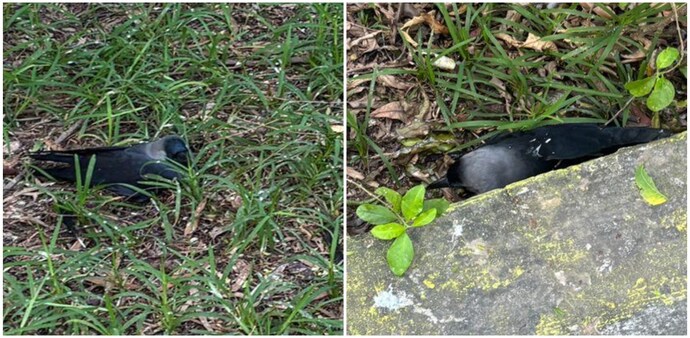
Several hundred crows were found dead across different parts of Chennai on Friday, with laboratory investigations confirming the presence of the H5N1 virus, signalling the spread of avian influenza in the region. The development has prompted health and animal husbandry authorities to issue advisories and intensify surveillance to prevent further transmission.
Officials have directed that all carcasses of crows and poultry be either cremated or deeply buried in strict adherence to biosecurity protocols. Members of the public have been strongly advised not to touch or handle dead birds and to immediately inform local authorities if fresh cases are spotted.
In response to the outbreak, the Union Ministry of Animal Husbandry has written to the Tamil Nadu Chief Secretary, urging immediate and comprehensive field surveillance, particularly in affected and surrounding areas, to contain the virus and assess the scale of spread among wild and domestic birds.
Authorities have reiterated that there is currently no cause for public panic but stressed the importance of vigilance, reporting bird deaths promptly, and following all safety advisories to prevent potential spillover.
H5N1 outbreak: Here's what we know so far
What is H5N1?
H5N1 is a highly pathogenic strain of influenza. A virus that primarily infects birds, especially poultry and wild birds. Commonly known as bird flu, the virus spreads rapidly within bird populations and is often associated with severe illness and high mortality.
Who does it affect?
While H5N1 mainly affects birds, it can occasionally infect humans and other animals through close contact with infected birds or contaminated environments. Human cases are rare but have been reported globally, leading to heightened monitoring whenever outbreaks occur.
Symptoms, causes of H5N1
H5N1 (bird flu) symptoms in humans often mimic the regular flu but can be severe, including high fever, cough, sore throat, muscle aches, headache, and fatigue, with eye redness (conjunctivitis) being a prominent sign in recent cases. More serious symptoms can develop, such as shortness of breath, pneumonia, and multi-organ failure, requiring prompt medical attention, especially after contact with infected birds or poultry.
Is it fatal?
In birds, H5N1 is extremely dangerous, capable of wiping out large poultry populations within a short time. In humans, although infections are uncommon, reported cases have often involved severe respiratory illness, including pneumonia. Past outbreaks have shown a significantly higher fatality rate compared to seasonal influenza, making early detection and containment critical.
Several hundred crows were found dead across different parts of Chennai on Friday, with laboratory investigations confirming the presence of the H5N1 virus, signalling the spread of avian influenza in the region. The development has prompted health and animal husbandry authorities to issue advisories and intensify surveillance to prevent further transmission.
Officials have directed that all carcasses of crows and poultry be either cremated or deeply buried in strict adherence to biosecurity protocols. Members of the public have been strongly advised not to touch or handle dead birds and to immediately inform local authorities if fresh cases are spotted.
In response to the outbreak, the Union Ministry of Animal Husbandry has written to the Tamil Nadu Chief Secretary, urging immediate and comprehensive field surveillance, particularly in affected and surrounding areas, to contain the virus and assess the scale of spread among wild and domestic birds.
Authorities have reiterated that there is currently no cause for public panic but stressed the importance of vigilance, reporting bird deaths promptly, and following all safety advisories to prevent potential spillover.
H5N1 outbreak: Here's what we know so far
What is H5N1?
H5N1 is a highly pathogenic strain of influenza. A virus that primarily infects birds, especially poultry and wild birds. Commonly known as bird flu, the virus spreads rapidly within bird populations and is often associated with severe illness and high mortality.
Who does it affect?
While H5N1 mainly affects birds, it can occasionally infect humans and other animals through close contact with infected birds or contaminated environments. Human cases are rare but have been reported globally, leading to heightened monitoring whenever outbreaks occur.
Symptoms, causes of H5N1
H5N1 (bird flu) symptoms in humans often mimic the regular flu but can be severe, including high fever, cough, sore throat, muscle aches, headache, and fatigue, with eye redness (conjunctivitis) being a prominent sign in recent cases. More serious symptoms can develop, such as shortness of breath, pneumonia, and multi-organ failure, requiring prompt medical attention, especially after contact with infected birds or poultry.
Is it fatal?
In birds, H5N1 is extremely dangerous, capable of wiping out large poultry populations within a short time. In humans, although infections are uncommon, reported cases have often involved severe respiratory illness, including pneumonia. Past outbreaks have shown a significantly higher fatality rate compared to seasonal influenza, making early detection and containment critical.