
Harsh Goenka says Mumbai looks like Manhattan, but its infra is '18th century'. Ex-bureaucrat responds
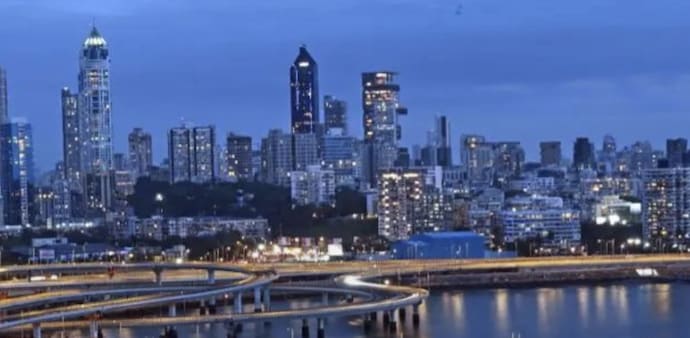
Mumbai has mastered the art of looking like Manhattan from a distance with a spectacular skyline. But beneath that glossy vertical city lie sprawling slums, broken roads, and potholes, says Harsh Goenka
- Oct 6, 2026,
- Updated Oct 6, 2026 5:07 PM IST
RPG Enterprises Chairman Harsh Goenka on Monday flagged a stark contrast between Mumbai's glittering skyline and its crumbling infrastructure. Former bureaucrat Shailaja Chandra agreed with his criticism but went a step further: Who allowed the city to reach this point?
Goenka, in a post, wrote that "Mumbai has mastered the art of looking like Manhattan from a distance with a spectacular skyline." But beneath that skyline, he said, are "sprawling slums, broken roads, potholes & crumbling infrastructure."
"Mumbai's skyline-21st century. Mumbai's infrastructure-18th century!" he wrote.
Chandra, who retired as Chief Secretary of Delhi and had earlier served as Secretary in the Health Ministry, responded by saying she welcomed Goenka's criticism.
"I follow you Harsh ji, for your wonderful photographs and often sensible commentary. Occasionally, though, I feel you pull your punches when criticism might touch the establishment. That makes this post particularly welcome. I fully endorse it—but we should ask: who allowed this to happen?" she wrote.
Chandra said both she and Goenka were aware of how municipal rules and planning can be weakened by political and administrative decisions.
"You are an influential industrialist; I am a retired, elderly bureaucrat. We both know how encroachments are tolerated, municipal laws overlooked and vote banks cultivated," she said.
The former bureaucrat said the consequences were predictable when neighbourhoods were allowed to grow beyond the capacity of their water supply, sewage and drainage systems.
"When politicians and officials permit neighbourhoods to grow beyond what their water supply, sewers and drainage can support, the consequences are entirely predictable," Chandra stated.
She said ordinary citizens are left to deal with the consequences while having little power to demand accountability.
Chandra also pointed to the gap between those who can shield themselves from the city’s problems and those who cannot. "The influential can retreat behind high walls, security systems and soundproof windows, assured of a warm welcome from those who matter. People without such protection often dare not speak. They have families and livelihoods to think of," she said.
She questioned whether Mumbai's infrastructure problems could continue to be discussed merely through photographs of the city’s contrasts. "How long will we keep sharing striking pictures of these contrasts without asking who enabled them—who still enables them and who will answer for the wilful neglect?" she asked.
RPG Enterprises Chairman Harsh Goenka on Monday flagged a stark contrast between Mumbai's glittering skyline and its crumbling infrastructure. Former bureaucrat Shailaja Chandra agreed with his criticism but went a step further: Who allowed the city to reach this point?
Goenka, in a post, wrote that "Mumbai has mastered the art of looking like Manhattan from a distance with a spectacular skyline." But beneath that skyline, he said, are "sprawling slums, broken roads, potholes & crumbling infrastructure."
"Mumbai's skyline-21st century. Mumbai's infrastructure-18th century!" he wrote.
Chandra, who retired as Chief Secretary of Delhi and had earlier served as Secretary in the Health Ministry, responded by saying she welcomed Goenka's criticism.
"I follow you Harsh ji, for your wonderful photographs and often sensible commentary. Occasionally, though, I feel you pull your punches when criticism might touch the establishment. That makes this post particularly welcome. I fully endorse it—but we should ask: who allowed this to happen?" she wrote.
Chandra said both she and Goenka were aware of how municipal rules and planning can be weakened by political and administrative decisions.
"You are an influential industrialist; I am a retired, elderly bureaucrat. We both know how encroachments are tolerated, municipal laws overlooked and vote banks cultivated," she said.
The former bureaucrat said the consequences were predictable when neighbourhoods were allowed to grow beyond the capacity of their water supply, sewage and drainage systems.
"When politicians and officials permit neighbourhoods to grow beyond what their water supply, sewers and drainage can support, the consequences are entirely predictable," Chandra stated.
She said ordinary citizens are left to deal with the consequences while having little power to demand accountability.
Chandra also pointed to the gap between those who can shield themselves from the city’s problems and those who cannot. "The influential can retreat behind high walls, security systems and soundproof windows, assured of a warm welcome from those who matter. People without such protection often dare not speak. They have families and livelihoods to think of," she said.
She questioned whether Mumbai's infrastructure problems could continue to be discussed merely through photographs of the city’s contrasts. "How long will we keep sharing striking pictures of these contrasts without asking who enabled them—who still enables them and who will answer for the wilful neglect?" she asked.