
Here’s why the PLFS may capture the gig and platform workforce
Exercise likely as part of a relook at PLFS methodology; will help in better policy formulation.
- Sep 24, 2026,
- Updated Sep 24, 2026 12:37 PM IST
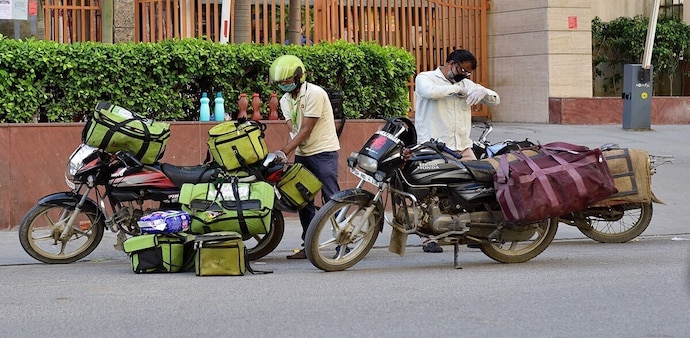
The government is looking at capturing data on the gig workforce in the Periodic Labour Force Survey (PLFS) in a move that is expected to help in better assessment and understanding of this segment of workers.
According to sources, as part of an ongoing review of the PLFS methodology, the Ministry of Statistics and Programme Implementation is considering whether and how to include gig and platform workers in the PLFS.
“Gig and platform workers are now a large part of the workforce. Including them as a separate category in the PLFS will give a better understanding of how many workers are in the sector and help frame policies accordingly,” said two people familiar with the development.
Launched in 2017 as an annual survey, the PLFS now provides quarterly and monthly data on India’s job market and is considered the primary data source on employment and unemployment in the country. Amongst those employed, it measures those who are self-employed, regular wage employees and casual workers. The PLFS also provides estimates on earnings and wages, reasons for unemployment, and other labour market dynamics as well.
The move to include gig workers as a separate category of workers in the PLFS comes at a time when the government is also looking at providing structured benefits such as social security to them. Till now, there is no official data on the number of gig workers in the country, although there are several estimates based on various studies and models.
The Economic Survey 2025-26 noted that the gig economy, encompassing delivery, ridesharing, and freelancing, has witnessed structural growth, transitioning informal jobs into ecosystem-integrated roles, and has seen a large growth in the number of workers.
“From 77 lakh workers in FY21, the sector witnessed a 55% increase to 120 lakh workers in FY25… Now representing over 2% of the total workforce in India, growth of gig workers outpaces overall employment, with non-agricultural gigs projected to constitute 6.7% of the workforce by 2029-30, contributing ₹2.35 lakh crore to GDP,” it had said.
The government is looking at capturing data on the gig workforce in the Periodic Labour Force Survey (PLFS) in a move that is expected to help in better assessment and understanding of this segment of workers.
According to sources, as part of an ongoing review of the PLFS methodology, the Ministry of Statistics and Programme Implementation is considering whether and how to include gig and platform workers in the PLFS.
“Gig and platform workers are now a large part of the workforce. Including them as a separate category in the PLFS will give a better understanding of how many workers are in the sector and help frame policies accordingly,” said two people familiar with the development.
Launched in 2017 as an annual survey, the PLFS now provides quarterly and monthly data on India’s job market and is considered the primary data source on employment and unemployment in the country. Amongst those employed, it measures those who are self-employed, regular wage employees and casual workers. The PLFS also provides estimates on earnings and wages, reasons for unemployment, and other labour market dynamics as well.
The move to include gig workers as a separate category of workers in the PLFS comes at a time when the government is also looking at providing structured benefits such as social security to them. Till now, there is no official data on the number of gig workers in the country, although there are several estimates based on various studies and models.
The Economic Survey 2025-26 noted that the gig economy, encompassing delivery, ridesharing, and freelancing, has witnessed structural growth, transitioning informal jobs into ecosystem-integrated roles, and has seen a large growth in the number of workers.
“From 77 lakh workers in FY21, the sector witnessed a 55% increase to 120 lakh workers in FY25… Now representing over 2% of the total workforce in India, growth of gig workers outpaces overall employment, with non-agricultural gigs projected to constitute 6.7% of the workforce by 2029-30, contributing ₹2.35 lakh crore to GDP,” it had said.