
High-speed overhaul: Indian Railways' new push-pull plan targets 160 kmph operations
Railways aims to offer a more comfortable travel experience on older trains while reducing maintenance complexity and operational costs.
- Sep 14, 2026,
- Updated Sep 14, 2026 3:28 PM IST
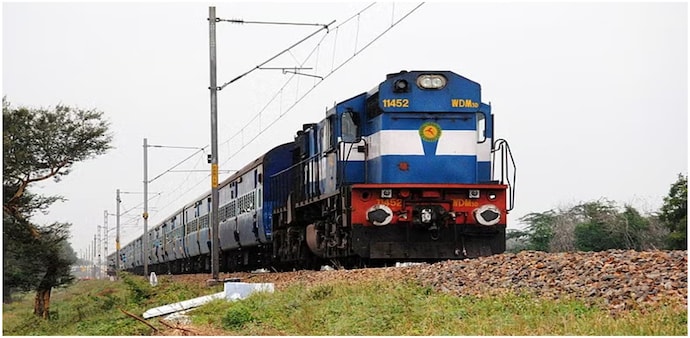
Indian Railways is set to modernise its conventional passenger trains by inducting new 6,000-horsepower (HP) electric locomotives in a push-pull configuration, a move expected to boost speed, comfort and energy efficiency on non-Vande Bharat services.
Under the plan, pairs of 6,000-HP locomotives will be mounted at both ends of existing coach rakes to work in push-pull mode — one pulling from the front and the other pushing from the rear. This setup will deliver a combined 12,000 HP, improving acceleration and enable compatible trains to run at speeds of up to 160 kmph on suitably upgraded routes, senior railway officials told The Economic Times.
ALSO READ: After 800 locomotives, Alstom eyes fresh 200-unit order from Indian Railways' Madhepura plant
No generator cars, lower noise and better ride
The new locomotives are designed to be more energy- and noise-efficient than current engines and will also do away with the need for a separate power generator car (PGC) that currently supplies electricity for lighting, fans and air-conditioning in conventional trains.
By integrating these functions into the locomotives themselves, Railways aims to offer a more comfortable travel experience on older trains while reducing maintenance complexity and operational costs.
Procurement model and wider context
The engines will be acquired through supply-and-maintenance contracts with private or public-sector technology partners, officials said. The move complements other ongoing railway modernisation efforts, including new track projects and freight-capacity expansion, as the network seeks to raise average speeds and reliability across mail/express and passenger services.
DO CHECKOUT: How IRCTC pulled a record 2 million train ticket booking on a single day
While Vande Bharat trainsets use distributed traction under the coaches, this locomotive-hauled upgrade allows Railways to retain flexibility in using conventional coach designs while still delivering higher performance.
Indian Railways is set to modernise its conventional passenger trains by inducting new 6,000-horsepower (HP) electric locomotives in a push-pull configuration, a move expected to boost speed, comfort and energy efficiency on non-Vande Bharat services.
Under the plan, pairs of 6,000-HP locomotives will be mounted at both ends of existing coach rakes to work in push-pull mode — one pulling from the front and the other pushing from the rear. This setup will deliver a combined 12,000 HP, improving acceleration and enable compatible trains to run at speeds of up to 160 kmph on suitably upgraded routes, senior railway officials told The Economic Times.
ALSO READ: After 800 locomotives, Alstom eyes fresh 200-unit order from Indian Railways' Madhepura plant
No generator cars, lower noise and better ride
The new locomotives are designed to be more energy- and noise-efficient than current engines and will also do away with the need for a separate power generator car (PGC) that currently supplies electricity for lighting, fans and air-conditioning in conventional trains.
By integrating these functions into the locomotives themselves, Railways aims to offer a more comfortable travel experience on older trains while reducing maintenance complexity and operational costs.
Procurement model and wider context
The engines will be acquired through supply-and-maintenance contracts with private or public-sector technology partners, officials said. The move complements other ongoing railway modernisation efforts, including new track projects and freight-capacity expansion, as the network seeks to raise average speeds and reliability across mail/express and passenger services.
DO CHECKOUT: How IRCTC pulled a record 2 million train ticket booking on a single day
While Vande Bharat trainsets use distributed traction under the coaches, this locomotive-hauled upgrade allows Railways to retain flexibility in using conventional coach designs while still delivering higher performance.