
How did Mahatma Gandhi become the face of Indian currency? Here’s the history
Gandhi first appeared on an Indian banknote in 1969, when the RBI issued a commemorative series marking his birth centenary
Business Today Desk
- Oct 2, 2026,
- Updated Oct 2, 2026 3:21 PM IST
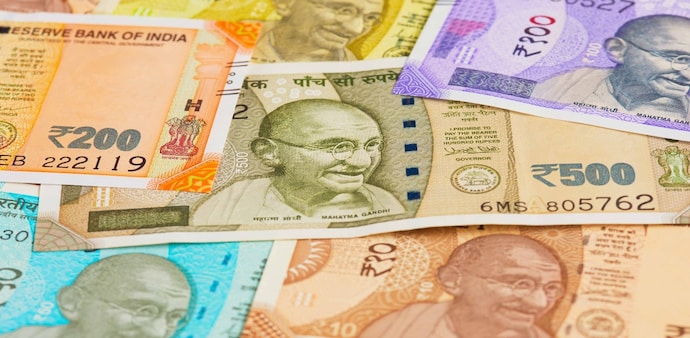
For millions of Indians, Mahatma Gandhi’s portrait is one of the most familiar images on the country’s currency. But Gandhi was not always featured on Indian banknotes. His appearance on the rupee notes was the result of a gradual change in India’s currency design after Independence.
What appeared on Indian notes after Independence?
Advertisement
When India became independent in 1947, the country initially continued using banknotes that carried the portrait of British King George VI. The Reserve Bank of India (RBI) later introduced new designs to reflect the identity of independent India.
READ THIS: Why Mahatma Gandhi never received the Nobel Peace Prize despite multiple nominations
The Lion Capital of Ashoka at Sarnath became the principal symbol on Indian banknotes, replacing the portrait of the British monarch. The Lion Capital was also adopted as India’s state emblem in 1950.
When did Gandhi first appear on an Indian note?
Advertisement
Gandhi, did not immediately become the face of Indian currency. Gandhi first appeared on an Indian banknote in 1969, when the RBI issued a commemorative series marking his birth centenary. The notes featured Gandhi along with the Sevagram Ashram.
However, his image did not become a permanent feature of Indian currency immediately.
In 1987, the RBI introduced a new ₹500 banknote featuring Mahatma Gandhi. This was an important step towards making his portrait a regular part of Indian banknote designs.
The major change came in 1996, when the RBI introduced the Mahatma Gandhi Series. Gandhi’s portrait became a standard feature across Indian banknotes, replacing the earlier Ashoka Lion Capital portrait as the main visual element on the front.
Advertisement
ALSO READ: Gandhi Jayanti 2026: How 'Bapu' reshaped global resistance from South Africa to Rajghat
Which photograph was used?
The portrait seen on Indian banknotes is not an independently drawn image of Gandhi. It is based on a photograph taken in 1946 in Delhi, showing Gandhi alongside British politician Lord Pethick-Lawrence.
According to historical accounts cited in discussions about the currency design, the photograph was considered suitable because Gandhi was captured in a natural, recognisable pose. The image was subsequently adapted for use on banknotes.
Why was Gandhi chosen?
There is no single RBI statement saying that Gandhi was selected because he was the “best” or only possible choice. The decision has been understood in the broader context of post-Independence India and the search for national symbols.
Gandhi was one of the most prominent figures of India’s freedom movement and had become internationally associated with India’s struggle against British rule through non-violent resistance.
The RBI’s currency history shows that Gandhi’s appearance on banknotes was therefore a gradual process rather than an immediate post-Independence decision.
For millions of Indians, Mahatma Gandhi’s portrait is one of the most familiar images on the country’s currency. But Gandhi was not always featured on Indian banknotes. His appearance on the rupee notes was the result of a gradual change in India’s currency design after Independence.
What appeared on Indian notes after Independence?
Advertisement
When India became independent in 1947, the country initially continued using banknotes that carried the portrait of British King George VI. The Reserve Bank of India (RBI) later introduced new designs to reflect the identity of independent India.
READ THIS: Why Mahatma Gandhi never received the Nobel Peace Prize despite multiple nominations
The Lion Capital of Ashoka at Sarnath became the principal symbol on Indian banknotes, replacing the portrait of the British monarch. The Lion Capital was also adopted as India’s state emblem in 1950.
When did Gandhi first appear on an Indian note?
Advertisement
Gandhi, did not immediately become the face of Indian currency. Gandhi first appeared on an Indian banknote in 1969, when the RBI issued a commemorative series marking his birth centenary. The notes featured Gandhi along with the Sevagram Ashram.
However, his image did not become a permanent feature of Indian currency immediately.
In 1987, the RBI introduced a new ₹500 banknote featuring Mahatma Gandhi. This was an important step towards making his portrait a regular part of Indian banknote designs.
The major change came in 1996, when the RBI introduced the Mahatma Gandhi Series. Gandhi’s portrait became a standard feature across Indian banknotes, replacing the earlier Ashoka Lion Capital portrait as the main visual element on the front.
Advertisement
ALSO READ: Gandhi Jayanti 2026: How 'Bapu' reshaped global resistance from South Africa to Rajghat
Which photograph was used?
The portrait seen on Indian banknotes is not an independently drawn image of Gandhi. It is based on a photograph taken in 1946 in Delhi, showing Gandhi alongside British politician Lord Pethick-Lawrence.
According to historical accounts cited in discussions about the currency design, the photograph was considered suitable because Gandhi was captured in a natural, recognisable pose. The image was subsequently adapted for use on banknotes.
Why was Gandhi chosen?
There is no single RBI statement saying that Gandhi was selected because he was the “best” or only possible choice. The decision has been understood in the broader context of post-Independence India and the search for national symbols.
Gandhi was one of the most prominent figures of India’s freedom movement and had become internationally associated with India’s struggle against British rule through non-violent resistance.
The RBI’s currency history shows that Gandhi’s appearance on banknotes was therefore a gradual process rather than an immediate post-Independence decision.
Read more!