
How to apply for PAN card online? Step-by-step guide before new application rules take effect on April 1
Under the revised framework, the current Aadhaar-only application process will no longer be sufficient. From April 1, applicants will be required to submit additional supporting documents along with their PAN applications
- Mar 23, 2026,
- Updated Mar 23, 2026 3:47 PM IST
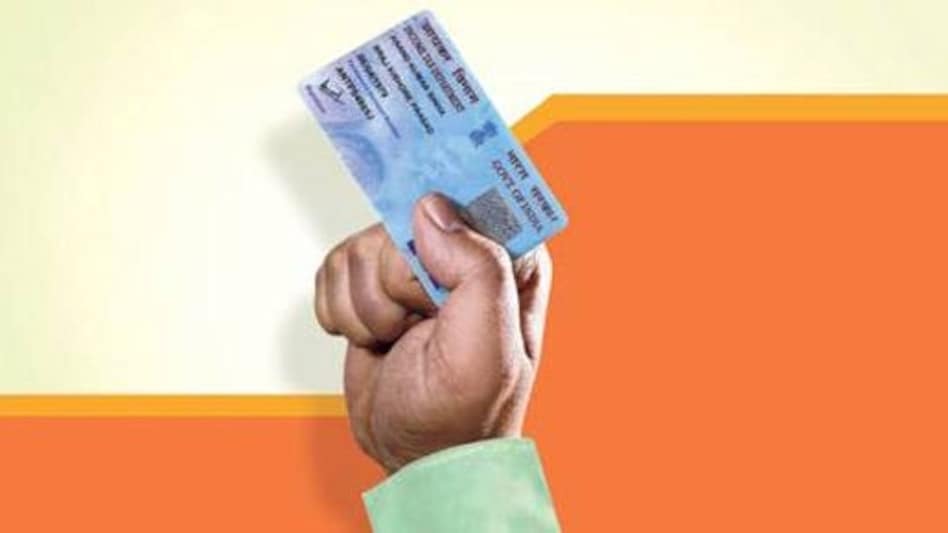
Getting a Permanent Account Number (PAN) card is now a quick, fully online process, with Aadhaar-based verification eliminating much of the paperwork. However, applying for a PAN is set to become more document-intensive from April 1, 2026, with revised rules coming into effect nationwide.
Under the revised framework, the current Aadhaar-only application process will no longer be sufficient. From April 1, applicants will be required to submit additional supporting documents along with their PAN applications.
For now, applicants can submit their request through the Protean (formerly NSDL) or UTIITSL portals by filling Form 49A and completing e-KYC authentication.
The application fee for a physical PAN card is around ₹110, payable online.
Where to apply
Applicants need to visit either the official Protean PAN Services portal or the UTIITSL website and select ‘New PAN – Indian Citizen (Form 49A)’ to begin the process.
After registration, a token is generated that allows users to complete the application in stages.
Step-by-step process
The application can be completed in a few structured steps:
- Fill the form: Enter personal details such as name, date of birth, contact information and address.
- Choose verification mode: Opt for “e-KYC & e-Sign” to use Aadhaar-based authentication, which eliminates the need to send physical documents.
- Upload documents (if required): If not using full e-KYC, applicants must upload scanned copies of their photograph, signature, and identity or address proof such as Aadhaar, voter ID or passport.
- Make payment: Pay the application fee via net banking, debit or credit card, or UPI.
- Aadhaar authentication: Complete OTP verification linked to Aadhaar for digital signing.
- Submit and track: After submission, a 15-digit acknowledgement number is generated to track the application status online.
What to keep in mind?
Applicants must ensure that their mobile number is linked to Aadhaar, as OTP verification is mandatory for e-KYC.
Those opting for Aadhaar-based processing can expect faster turnaround times.
When will you get your PAN?
Once the application is processed, an e-PAN is typically issued via email within 2–3 days. The physical PAN card is dispatched to the registered address and usually arrives within 15 days.
Getting a Permanent Account Number (PAN) card is now a quick, fully online process, with Aadhaar-based verification eliminating much of the paperwork. However, applying for a PAN is set to become more document-intensive from April 1, 2026, with revised rules coming into effect nationwide.
Under the revised framework, the current Aadhaar-only application process will no longer be sufficient. From April 1, applicants will be required to submit additional supporting documents along with their PAN applications.
For now, applicants can submit their request through the Protean (formerly NSDL) or UTIITSL portals by filling Form 49A and completing e-KYC authentication.
The application fee for a physical PAN card is around ₹110, payable online.
Where to apply
Applicants need to visit either the official Protean PAN Services portal or the UTIITSL website and select ‘New PAN – Indian Citizen (Form 49A)’ to begin the process.
After registration, a token is generated that allows users to complete the application in stages.
Step-by-step process
The application can be completed in a few structured steps:
- Fill the form: Enter personal details such as name, date of birth, contact information and address.
- Choose verification mode: Opt for “e-KYC & e-Sign” to use Aadhaar-based authentication, which eliminates the need to send physical documents.
- Upload documents (if required): If not using full e-KYC, applicants must upload scanned copies of their photograph, signature, and identity or address proof such as Aadhaar, voter ID or passport.
- Make payment: Pay the application fee via net banking, debit or credit card, or UPI.
- Aadhaar authentication: Complete OTP verification linked to Aadhaar for digital signing.
- Submit and track: After submission, a 15-digit acknowledgement number is generated to track the application status online.
What to keep in mind?
Applicants must ensure that their mobile number is linked to Aadhaar, as OTP verification is mandatory for e-KYC.
Those opting for Aadhaar-based processing can expect faster turnaround times.
When will you get your PAN?
Once the application is processed, an e-PAN is typically issued via email within 2–3 days. The physical PAN card is dispatched to the registered address and usually arrives within 15 days.