
India just opened its DRDO missile tech to private industry. Here's why it matters
The transfer of technology would allow the Indian industry to undertake indigenous production, says the Defence Ministry
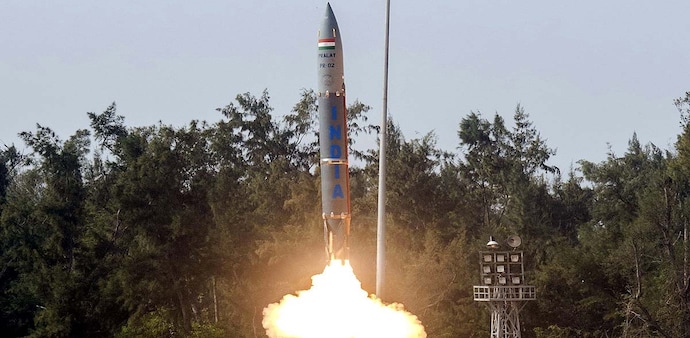
- Aug 25, 2026,
- Updated Aug 25, 2026 2:11 PM IST
Defence Minister Rajnath Singh has approved the transfer of DRDO-developed technologies for all conventional missile systems to Indian defence companies for production within the country, the Ministry of Defence said on Tuesday.
The move is aimed at taking missile systems developed by the Defence Research and Development Organisation from development to industrial production and expanding the role of domestic companies in defence manufacturing.
The ministry said the transfer of technology would allow Indian industry to undertake indigenous production, subject to applicable qualifications, certifications, and regulatory requirements.
Must Read: Made in Amethi: India’s first 100% indigenous AK-203 Sher is ready for its biggest test
Boost To Domestic Defence Manufacturing
The initiative is part of the government's push for Aatmanirbharta in defence. It is intended to strengthen India's domestic defence industrial base and reduce dependence on imports.
The ministry said the move would also increase domestic value addition and create opportunities for Indian micro, small and medium enterprises, or MSMEs, and other technology partners to join the defence supply chain.
Don't Miss: 'IAF is not against theaterisation': Air Force chief AP Singh cautions against copying foreign models
From Development To Production
The provision is expected to enable the transition of missile-system development into industrial production.
The ministry said the move reflects DRDO's continued efforts to leverage Indian industry's capabilities in developing and manufacturing advanced defence systems.
The initiative also aims to enhance India's operational capability while supporting the growth of the country's defence manufacturing sector.
DRDO will work with Indian industry to facilitate the transfer and absorption of advanced defence technologies and further strengthen indigenous defence capabilities, the ministry said.
Defence Minister Rajnath Singh has approved the transfer of DRDO-developed technologies for all conventional missile systems to Indian defence companies for production within the country, the Ministry of Defence said on Tuesday.
The move is aimed at taking missile systems developed by the Defence Research and Development Organisation from development to industrial production and expanding the role of domestic companies in defence manufacturing.
The ministry said the transfer of technology would allow Indian industry to undertake indigenous production, subject to applicable qualifications, certifications, and regulatory requirements.
Must Read: Made in Amethi: India’s first 100% indigenous AK-203 Sher is ready for its biggest test
Boost To Domestic Defence Manufacturing
The initiative is part of the government's push for Aatmanirbharta in defence. It is intended to strengthen India's domestic defence industrial base and reduce dependence on imports.
The ministry said the move would also increase domestic value addition and create opportunities for Indian micro, small and medium enterprises, or MSMEs, and other technology partners to join the defence supply chain.
Don't Miss: 'IAF is not against theaterisation': Air Force chief AP Singh cautions against copying foreign models
From Development To Production
The provision is expected to enable the transition of missile-system development into industrial production.
The ministry said the move reflects DRDO's continued efforts to leverage Indian industry's capabilities in developing and manufacturing advanced defence systems.
The initiative also aims to enhance India's operational capability while supporting the growth of the country's defence manufacturing sector.
DRDO will work with Indian industry to facilitate the transfer and absorption of advanced defence technologies and further strengthen indigenous defence capabilities, the ministry said.