
India needs to focus on securing strong, durable growth with more reforms, says IMF top official
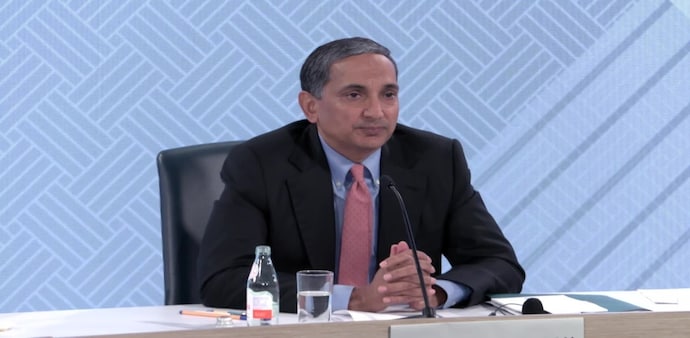
Krishna Srinivasan, Director of the Asia and Pacific Department at IMF, says Asia Pacific has remained resilient till now but downside risks continue, concerns over adequate fiscal space to meet energy price shocks.
- Oct 24, 2026,
- Updated Oct 24, 2026 2:49 PM IST
The Indian economy is projected to grow by 7% in FY27 and FY28 but it needs to keep working on more reforms for ensuring strong and durable growth, said Krishna Srinivasan, Director of the Asia and Pacific Department at the International Monetary Fund (IMF).
“India has to emphasise on securing strong growth, which is more durable, and that's where you need a lot of reforms which can anchor that kind of durable growth,” Srinivasan told Business Today in an interview.
These could include factor market reforms for land and labour as well as measures for attracting more foreign direct investment and improving the business climate, he said.
“In terms of factors of production, labour market reforms are have been an outstanding issue for some time. There's been some movement there, but it's not still there. It is the same with land reforms,” he said noting that in terms of attracting FDI, if India cannot provide access to land, it would be a challenge.
Other measures could include improving the business climate as well as liberalising trade, Srinivasan said, noting that India is still a country which has a lot of both tariff and non-tariff barriers at play.
“India needs to create the environment that can support a lot of foreign investment,” he said, adding that all these measures can come together to anchor growth.
The IMF in its World Economic Outlook released earlier this month has revised upwards India’s GDP growth to 7% in FY27 from 6.4% projected in July.
As per the IMF’s projections India is set to overtake Japan as the fourth largest economy in 2027 but Srinivasan underlined that the focus needs to be on sustained growth, getting people meaningful jobs and a focus on education and skills. While India has done well in many segments like digital and physical infrastructure, it has to fire on all cylinders with coordination between the Centre and the states.
Srinivasan said there continue to be downside risks to India’s GDP growth projections as well including if the energy price shock continues for longer. Tighter monetary policy due to rising inflation will have a dampening effect on growth. “Similarly, if there's an adjustment in the AI cycle, that can have a bearing on growth. El Nino could have a significant impact on growth,” he said.
The IMF’s Regional Economic Outlook for Asia and pacific had outlined three major factors impacting the outlook for the region. These include the energy shock arising from the West Asia conflict, the AI-driven technology boom, and continued trade reconfiguration.
“The region overall has shown resilience so far. However, the effects are uneven across the region, and even within economies, where tech-related sectors are benefiting more than other parts of the economy,” it had said.
While the region has remained resilient, there continue to be many downside risks, Srinivasan said. If the energy shock continues and inflation continues to rise, whether countries have adequate fiscal space to create buffers is a key concern as several of them have already spent to adapt to the shock.