
India plans 7 new bullet train routes: Key destinations, stations, length, travel time & more
The government sees the project as an important part of its 'Make in India' initiative to strengthen railway infrastructure
- Jun 29, 2026,
- Updated Jun 29, 2026 5:44 PM IST
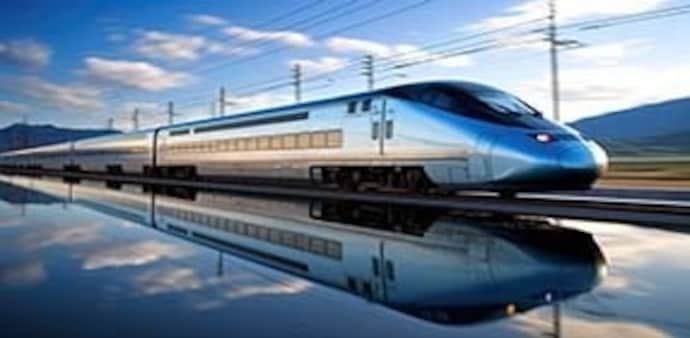
India is preparing to expand its bullet train network in a major way. The National High Speed Rail Corporation (NHSRCL) has invited global bids for seven new high-speed rail corridors covering around 4,000 kilometres, marking a major step in the country's high-speed rail plans, according to a report by Money control.
The new corridors will use common designs for bridges, tunnels, elevated tracks and stations.
They will also be built using Indian engineering standards and designed for speeds of 350 kmph.
Don't Miss: What is loop engineering? The AI trend replacing prompt engineering
The government sees the project as an important part of its 'Make in India' initiative to strengthen railway infrastructure
Four project reports approved
Detailed Project Reports (DPRs) have already been approved for four of the seven proposed corridors.
Survey work is currently underway for the remaining three routes. Route inspections and technical ground investigations are also being carried out to help keep the projects on schedule.
Jewar Airport to get underground bullet train station
The proposed Delhi-Varanasi bullet train corridor is one of the seven planned routes.
One of the biggest features of the project will be an underground bullet train station beneath Noida's Jewar Airport. The station will be connected to the main rail network through a 9.4-kilometre tunnel, making it one of the project's biggest engineering challenges.
Mumbai-Ahmedabad project to connect 12 stations
Work is also progressing on the Mumbai-Ahmedabad Bullet Train project.
The 508-kilometre high-speed rail line will have 12 stations and connect major cities in Maharashtra and Gujarat.
The project is expected to boost urban development around these stations and create new investment opportunities. Better connectivity in cities such as Surat and Vadodara could also help the real estate market and increase property prices in the future.
Travel times to shrink sharply
The proposed high-speed rail network is expected to significantly cut travel time between major cities.
According to the estimates:
- Mumbai to Ahmedabad: 1 hour 57 minutes
- Mumbai to Pune: 48 minutes
- Bengaluru to Chennai: 73 minutes
- Bengaluru to Hyderabad: 2 hours 10 minutes
- Pune to Hyderabad: 2 hours 8 minutes
- Delhi to Lucknow: 2 hours
- Delhi to Varanasi: 3 hours 15 minutes
More growth expected along the route
The bullet train project is also expected to support development in areas such as Boisar, Vapi and Ahmedabad.
Improved connectivity could encourage the growth of industries, logistics hubs, warehouses and new housing projects in these areas.
In Ahmedabad, Sabarmati station will become a major transport hub linking the bullet train, metro and the railway network. This is expected to benefit businesses, hotels and the real estate sector in the surrounding area.
India is preparing to expand its bullet train network in a major way. The National High Speed Rail Corporation (NHSRCL) has invited global bids for seven new high-speed rail corridors covering around 4,000 kilometres, marking a major step in the country's high-speed rail plans, according to a report by Money control.
The new corridors will use common designs for bridges, tunnels, elevated tracks and stations.
They will also be built using Indian engineering standards and designed for speeds of 350 kmph.
Don't Miss: What is loop engineering? The AI trend replacing prompt engineering
The government sees the project as an important part of its 'Make in India' initiative to strengthen railway infrastructure
Four project reports approved
Detailed Project Reports (DPRs) have already been approved for four of the seven proposed corridors.
Survey work is currently underway for the remaining three routes. Route inspections and technical ground investigations are also being carried out to help keep the projects on schedule.
Jewar Airport to get underground bullet train station
The proposed Delhi-Varanasi bullet train corridor is one of the seven planned routes.
One of the biggest features of the project will be an underground bullet train station beneath Noida's Jewar Airport. The station will be connected to the main rail network through a 9.4-kilometre tunnel, making it one of the project's biggest engineering challenges.
Mumbai-Ahmedabad project to connect 12 stations
Work is also progressing on the Mumbai-Ahmedabad Bullet Train project.
The 508-kilometre high-speed rail line will have 12 stations and connect major cities in Maharashtra and Gujarat.
The project is expected to boost urban development around these stations and create new investment opportunities. Better connectivity in cities such as Surat and Vadodara could also help the real estate market and increase property prices in the future.
Travel times to shrink sharply
The proposed high-speed rail network is expected to significantly cut travel time between major cities.
According to the estimates:
- Mumbai to Ahmedabad: 1 hour 57 minutes
- Mumbai to Pune: 48 minutes
- Bengaluru to Chennai: 73 minutes
- Bengaluru to Hyderabad: 2 hours 10 minutes
- Pune to Hyderabad: 2 hours 8 minutes
- Delhi to Lucknow: 2 hours
- Delhi to Varanasi: 3 hours 15 minutes
More growth expected along the route
The bullet train project is also expected to support development in areas such as Boisar, Vapi and Ahmedabad.
Improved connectivity could encourage the growth of industries, logistics hubs, warehouses and new housing projects in these areas.
In Ahmedabad, Sabarmati station will become a major transport hub linking the bullet train, metro and the railway network. This is expected to benefit businesses, hotels and the real estate sector in the surrounding area.