
'India will never bow to terror': PM Modi remembers 26 lives lost in Pahalgam attack as army issues stern warning
In the weeks that followed the attack, India's response took shape, and on the intervening night of May 6 and 7, the Indian Armed Forces launched Operation Sindoor
- Apr 22, 2026,
- Updated Apr 22, 2026 8:03 AM IST
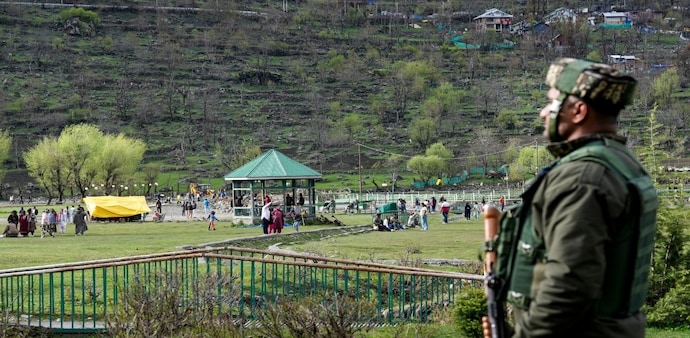
A year ago today, 26 people, most of them tourists, were killed by terrorists in Pahalgam, Jammu and Kashmir. The attack shook the nation and drew condemnation from governments and leaders worldwide. Twelve months on, Prime Minister Narendra Modi led the country in remembrance, while the Indian Army issued a stark warning to those who sponsor and carry out terror.
"Remembering the innocent lives lost in the gruesome Pahalgam terror attack on this day last year. They will never be forgotten. My thoughts are also with the bereaved families as they cope with this loss. As a nation, we stand united in grief and resolve. India will never bow to any form of terror. The heinous designs of terrorists will never succeed," Modi posted on X.
Remembering the innocent lives lost in the gruesome Pahalgam terror attack on this day last year. They will never be forgotten. My thoughts are also with the bereaved families as they cope with this loss. As a nation, we stand united in grief and resolve. India will never bow to…
— Narendra Modi (@narendramodi) April 22, 2026
India's military response: Operation Sindoor
The grief did not stay grief for long. In the weeks that followed the attack, India's response took shape, and on the intervening night of May 6 and 7, the Indian Armed Forces launched Operation Sindoor.
Conceived as a punitive and targeted campaign, the operation set out to dismantle terror infrastructure both across the Line of Control and deeper inside Pakistan. In a series of well-coordinated strikes, Indian forces precisely hit nine terrorist camps in Pakistan and Pakistan-Occupied Jammu and Kashmir, killing over 100 terrorists along with their trainers, handlers and associates. Most belonged to Jaish-e-Mohammed, Lashkar-e-Taiba and Hizbul Mujahideen.
The operation was designed to inflict maximum damage on terrorist targets while minimising harm to civilian populations. It demonstrated India's capacity for high-precision, coordinated military action across land, air and sea — made possible, the Army said, by years of investment in defence preparedness and sustained policy and budgetary support from the government.
Operation Sindoor is being remembered as a defining moment in India's defence history — a demonstration of military precision, inter-service cooperation and national resolve that sent an unambiguous message: cross-border terrorism would be met with a calibrated but firm response.
Hunting the perpetrators: Operation Mahadev
Parallel to the strikes across the border, India launched Operation Mahadev — a targeted pursuit of the terrorists directly responsible for the Pahalgam massacre. The operation evolved into one of the most extensive counter-terror operations in recent years.
After a relentless pursuit spanning weeks, all three terrorists were neutralised in a swift and precise engagement on July 28 — bringing the perpetrators of the Pahalgam attack to justice. Operation Mahadev, the Army said, stands as a testament to its resolve, professionalism and unwavering commitment to protecting the nation.
For acts against #India, the response is assured. Justice will be served. Always.#SindoorAnniversary #JusticeEndures #NationFirst pic.twitter.com/w6PRIpp0bM
— ADG PI - INDIAN ARMY (@adgpi) April 22, 2026
A warning for the future
On the first anniversary of the attack, the Indian Army issued a stern warning to the perpetrators of terrorism, asserting that when the boundaries of humanity are crossed, the response is decisive.
A year ago today, 26 people, most of them tourists, were killed by terrorists in Pahalgam, Jammu and Kashmir. The attack shook the nation and drew condemnation from governments and leaders worldwide. Twelve months on, Prime Minister Narendra Modi led the country in remembrance, while the Indian Army issued a stark warning to those who sponsor and carry out terror.
"Remembering the innocent lives lost in the gruesome Pahalgam terror attack on this day last year. They will never be forgotten. My thoughts are also with the bereaved families as they cope with this loss. As a nation, we stand united in grief and resolve. India will never bow to any form of terror. The heinous designs of terrorists will never succeed," Modi posted on X.
Remembering the innocent lives lost in the gruesome Pahalgam terror attack on this day last year. They will never be forgotten. My thoughts are also with the bereaved families as they cope with this loss. As a nation, we stand united in grief and resolve. India will never bow to…
— Narendra Modi (@narendramodi) April 22, 2026
India's military response: Operation Sindoor
The grief did not stay grief for long. In the weeks that followed the attack, India's response took shape, and on the intervening night of May 6 and 7, the Indian Armed Forces launched Operation Sindoor.
Conceived as a punitive and targeted campaign, the operation set out to dismantle terror infrastructure both across the Line of Control and deeper inside Pakistan. In a series of well-coordinated strikes, Indian forces precisely hit nine terrorist camps in Pakistan and Pakistan-Occupied Jammu and Kashmir, killing over 100 terrorists along with their trainers, handlers and associates. Most belonged to Jaish-e-Mohammed, Lashkar-e-Taiba and Hizbul Mujahideen.
The operation was designed to inflict maximum damage on terrorist targets while minimising harm to civilian populations. It demonstrated India's capacity for high-precision, coordinated military action across land, air and sea — made possible, the Army said, by years of investment in defence preparedness and sustained policy and budgetary support from the government.
Operation Sindoor is being remembered as a defining moment in India's defence history — a demonstration of military precision, inter-service cooperation and national resolve that sent an unambiguous message: cross-border terrorism would be met with a calibrated but firm response.
Hunting the perpetrators: Operation Mahadev
Parallel to the strikes across the border, India launched Operation Mahadev — a targeted pursuit of the terrorists directly responsible for the Pahalgam massacre. The operation evolved into one of the most extensive counter-terror operations in recent years.
After a relentless pursuit spanning weeks, all three terrorists were neutralised in a swift and precise engagement on July 28 — bringing the perpetrators of the Pahalgam attack to justice. Operation Mahadev, the Army said, stands as a testament to its resolve, professionalism and unwavering commitment to protecting the nation.
For acts against #India, the response is assured. Justice will be served. Always.#SindoorAnniversary #JusticeEndures #NationFirst pic.twitter.com/w6PRIpp0bM
— ADG PI - INDIAN ARMY (@adgpi) April 22, 2026
A warning for the future
On the first anniversary of the attack, the Indian Army issued a stern warning to the perpetrators of terrorism, asserting that when the boundaries of humanity are crossed, the response is decisive.