
India’s toll revolution: 6.23 crore FASTag users, 77 lakh annual passes and no-stop tolling push
The Ministry of Road Transport and Highways laid out the numbers in a written reply to the Lok Sabha, covering FASTag adoption, the annual pass scheme, barrier-less tolling progress, and the status of satellite-based toll collection
- Jul 31, 2026,
- Updated Jul 31, 2026 9:34 AM IST
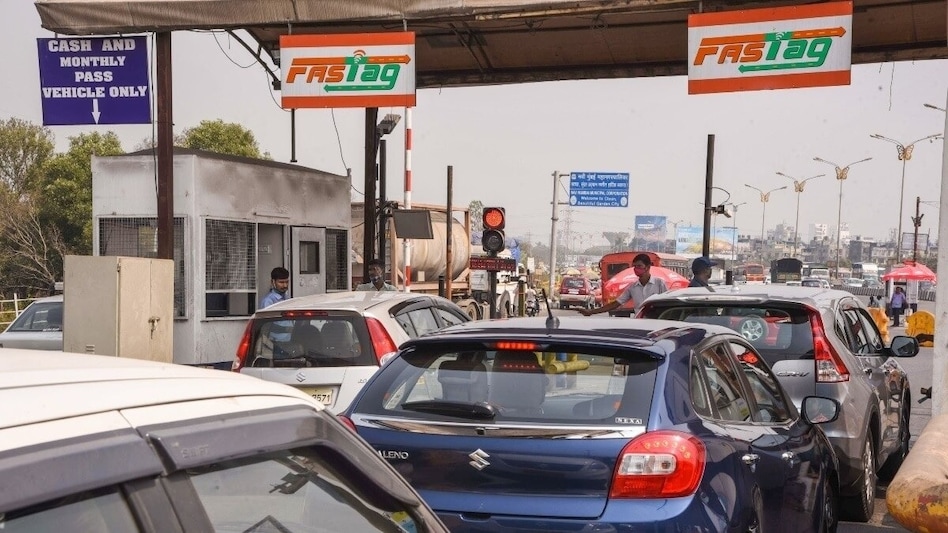
India's highway toll network crossed a significant threshold this year. As of June 2026, the country has 6.23 crore active FASTag users, the government told Parliament on July 30, while also detailing its push toward a future where vehicles pass through toll points without stopping at all.
The Ministry of Road Transport and Highways laid out the numbers in a written reply to the Lok Sabha, covering FASTag adoption, the annual pass scheme, barrier-less tolling progress, and the status of satellite-based toll collection.
77 lakh annual passes and counting
Launched on August 15, 2025, for non-commercial cars, jeeps, and vans, the FASTag Annual Pass has found a substantial user base in less than a year. By June 2026, over 77 lakh passes had been issued, generating nearly 63 crore toll transactions. Annual pass holders now account for roughly 33% of all electronic toll transactions made by cars, jeeps, and vans. Priced at Rs 3,075, the pass is positioned as a more convenient and cost-effective option for frequent highway users.
Barrier-less tolling: where it stands
The government is rolling out Multi-Lane Free Flow tolling technology, which uses a combination of FASTag's RFID technology, Automatic Number Plate Recognition cameras, and artificial intelligence to identify vehicles and deduct toll charges automatically, without requiring them to slow down or stop.
The ministry says the system is expected to cut congestion at toll plazas, reduce fuel consumption, improve road safety, and bring down travel times. So far, 17 toll plazas have been approved for MLFF implementation, with five already operational. A further 104 plazas have been identified for future deployment.
Satellite tolling: no decision yet
On the question of GNSS-based satellite tolling, a system that would calculate charges based on the distance actually travelled, the government said no final call has been taken. An expert committee examining the proposal has recommended further discussions before any nationwide rollout is considered. The immediate focus remains on expanding the FASTag and ANPR-based MLFF system in phases.
The 60-kilometre rule stays
The Centre also confirmed that the minimum distance between two toll plazas in the same direction remains 60 kilometres under the National Highways Fee Rules, 2008. Exceptions can be granted in special circumstances, subject to approval from the competent authority based on local conditions and a review committee's recommendations.
India's highway toll network crossed a significant threshold this year. As of June 2026, the country has 6.23 crore active FASTag users, the government told Parliament on July 30, while also detailing its push toward a future where vehicles pass through toll points without stopping at all.
The Ministry of Road Transport and Highways laid out the numbers in a written reply to the Lok Sabha, covering FASTag adoption, the annual pass scheme, barrier-less tolling progress, and the status of satellite-based toll collection.
77 lakh annual passes and counting
Launched on August 15, 2025, for non-commercial cars, jeeps, and vans, the FASTag Annual Pass has found a substantial user base in less than a year. By June 2026, over 77 lakh passes had been issued, generating nearly 63 crore toll transactions. Annual pass holders now account for roughly 33% of all electronic toll transactions made by cars, jeeps, and vans. Priced at Rs 3,075, the pass is positioned as a more convenient and cost-effective option for frequent highway users.
Barrier-less tolling: where it stands
The government is rolling out Multi-Lane Free Flow tolling technology, which uses a combination of FASTag's RFID technology, Automatic Number Plate Recognition cameras, and artificial intelligence to identify vehicles and deduct toll charges automatically, without requiring them to slow down or stop.
The ministry says the system is expected to cut congestion at toll plazas, reduce fuel consumption, improve road safety, and bring down travel times. So far, 17 toll plazas have been approved for MLFF implementation, with five already operational. A further 104 plazas have been identified for future deployment.
Satellite tolling: no decision yet
On the question of GNSS-based satellite tolling, a system that would calculate charges based on the distance actually travelled, the government said no final call has been taken. An expert committee examining the proposal has recommended further discussions before any nationwide rollout is considered. The immediate focus remains on expanding the FASTag and ANPR-based MLFF system in phases.
The 60-kilometre rule stays
The Centre also confirmed that the minimum distance between two toll plazas in the same direction remains 60 kilometres under the National Highways Fee Rules, 2008. Exceptions can be granted in special circumstances, subject to approval from the competent authority based on local conditions and a review committee's recommendations.