
Kanwar Yatra 2026 kicks off: Key routes, major highway closures & diversions to avoid in Delhi-NCR
With the pilgrimage continuing through August 11 and restrictions extending until August 12, commuters traveling between Delhi, Ghaziabad, Meerut, and Uttarakhand face major route diversions, extended travel times, and possible fare increases on public transit.
- Jul 31, 2026,
- Updated Jul 31, 2026 8:00 AM IST
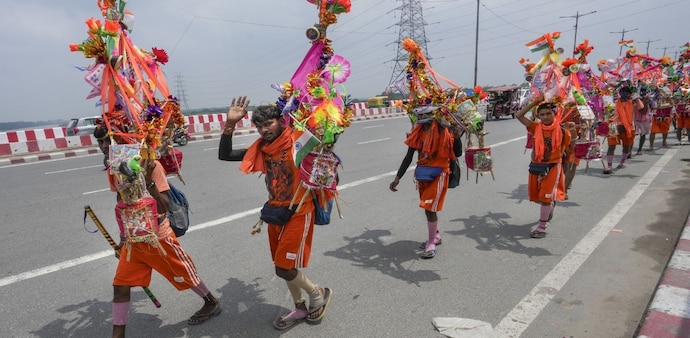
As lakhs of Shiva devotees embark on the annual Kanwar Yatra starting July 30, traffic authorities across Delhi, western Uttar Pradesh, and Uttarakhand have rolled out extensive, phased traffic advisories and highway closures to prevent gridlock.
With the pilgrimage continuing through August 11 and restrictions extending until August 12, commuters traveling between Delhi, Ghaziabad, Meerut, and Uttarakhand face major route diversions, extended travel times, and possible fare increases on public transit.
Delhi Police issues advisory
The Delhi Traffic Police warned of severe congestion on several arterial roads due to the continuous movement of foot-pilgrims and the setup of roadside Kanwar camps.
Roads to Avoid in Delhi:
- Najafgarh Phirni Road
- Rohtak Road
- Pankha Road
- Dev Prakash Shastri Marg
- Nangloi-Najafgarh Road
- Outer Ring Road
To keep pilgrims separated from regular traffic, specific corridors have been allocated for Kanwariyas traveling on foot:
- Rohtak Road Corridor: Zakhira → Madipur → Peeragarhi Chowk → Nangloi Chowk → Mundka → Tikri Border
- Najafgarh Road Corridor: Zakhira → Uttam Nagar → Najafgarh Phirni Road → Jharoda Border
- Outer Ring Road Corridor: Madhuban Chowk → Peeragarhi Chowk → Keshopur Mandi → Janakpuri District Centre
- Dev Prakash Shastri Marg Corridor: Rattanpuri Chowk → Loha Mandi
Delhi Traffic Police urged motorists to use public transport where feasible, avoid roadside parking to prevent bottlenecking, and check real-time traffic updates prior to departure.
Rail passengers heading to New Delhi Railway Station have been specifically advised to use the Paharganj entry rather than the Ajmeri Gate side to bypass heavy pilgrim crowds.
Ghaziabad & West UP implement staggered curbs
Ghaziabad, a critical transit hub for pilgrims heading to and from Haridwar, has instituted a multi-stage diversion strategy that began on July 29 and runs through August 12.
- Heavy Commercial Vehicles: Banned from entering Ghaziabad from 8:00 am on July 29 until August 12. Freight vehicles from Delhi, Baghpat, Hapur, and Bulandshahr are diverted via the Eastern Peripheral Expressway (EPE), NH-9, and the Delhi-Dehradun Expressway.
- Light Vehicles & Buses: From August 5, restrictions extend to light commercial vehicles, private cars, tempos, and buses. Inter-state and city buses arriving via Seemapuri Border and Tulsi Niketan will be prohibited, while buses from Bulandshahr will terminate at Lal Kuan. Auto-rickshaws on the Seemapuri Border–Lal Kuan corridor remain suspended.
- Complete Road Closures: The Ganga Canal embankment road and Pipeline Marg are closed to all unauthorised vehicular traffic.
- Delhi-Meerut Expressway (DME): Regular traffic on the DME will be halted starting August 7, leaving the corridor open primarily for Dak Kanwariyas.
- Local Restrictions: Vehicle movement around Dudheshwarnath Temple will be restricted at Chaudhary Mod, Railway Road Cut, Bajariya, Hapur Tiraha, and Gaushala Gate.
Dedicated green corridors are being maintained across all districts to ensure unhindered movement for ambulances and emergency services.
Delhi-Haridwar Highway shut
The most impactful highway disruption will take place in Uttarakhand and upper western Uttar Pradesh.
NH-58 & Ganga Canal Road Closure: The Delhi-Haridwar National Highway (NH-58) and Ganga Canal Road in Muzaffarnagar district will close to all vehicular traffic from August 4 through August 12.
- Rerouted Transit: Vehicles traveling between Haridwar/Saharanpur and Delhi are being diverted through Deoband, Pachenda, Mirapur, and Mawana in Meerut.
- Alternative Route for Commuters: Police have directed private cars and passenger traffic traveling between Delhi, Haridwar, and Dehradun to utilise the Delhi-Dehradun Economic Corridor, which is off-limits to foot-pilgrims. Officials anticipate traffic on this corridor to rise by 25 to 30 percent during peak pilgrimage days.
Travellers heading toward Haridwar, Rishikesh, Dehradun, or Saharanpur should plan journeys well in advance and monitor live navigation applications, as updated diversion plans are being fed to digital map platforms in real time.
As lakhs of Shiva devotees embark on the annual Kanwar Yatra starting July 30, traffic authorities across Delhi, western Uttar Pradesh, and Uttarakhand have rolled out extensive, phased traffic advisories and highway closures to prevent gridlock.
With the pilgrimage continuing through August 11 and restrictions extending until August 12, commuters traveling between Delhi, Ghaziabad, Meerut, and Uttarakhand face major route diversions, extended travel times, and possible fare increases on public transit.
Delhi Police issues advisory
The Delhi Traffic Police warned of severe congestion on several arterial roads due to the continuous movement of foot-pilgrims and the setup of roadside Kanwar camps.
Roads to Avoid in Delhi:
- Najafgarh Phirni Road
- Rohtak Road
- Pankha Road
- Dev Prakash Shastri Marg
- Nangloi-Najafgarh Road
- Outer Ring Road
To keep pilgrims separated from regular traffic, specific corridors have been allocated for Kanwariyas traveling on foot:
- Rohtak Road Corridor: Zakhira → Madipur → Peeragarhi Chowk → Nangloi Chowk → Mundka → Tikri Border
- Najafgarh Road Corridor: Zakhira → Uttam Nagar → Najafgarh Phirni Road → Jharoda Border
- Outer Ring Road Corridor: Madhuban Chowk → Peeragarhi Chowk → Keshopur Mandi → Janakpuri District Centre
- Dev Prakash Shastri Marg Corridor: Rattanpuri Chowk → Loha Mandi
Delhi Traffic Police urged motorists to use public transport where feasible, avoid roadside parking to prevent bottlenecking, and check real-time traffic updates prior to departure.
Rail passengers heading to New Delhi Railway Station have been specifically advised to use the Paharganj entry rather than the Ajmeri Gate side to bypass heavy pilgrim crowds.
Ghaziabad & West UP implement staggered curbs
Ghaziabad, a critical transit hub for pilgrims heading to and from Haridwar, has instituted a multi-stage diversion strategy that began on July 29 and runs through August 12.
- Heavy Commercial Vehicles: Banned from entering Ghaziabad from 8:00 am on July 29 until August 12. Freight vehicles from Delhi, Baghpat, Hapur, and Bulandshahr are diverted via the Eastern Peripheral Expressway (EPE), NH-9, and the Delhi-Dehradun Expressway.
- Light Vehicles & Buses: From August 5, restrictions extend to light commercial vehicles, private cars, tempos, and buses. Inter-state and city buses arriving via Seemapuri Border and Tulsi Niketan will be prohibited, while buses from Bulandshahr will terminate at Lal Kuan. Auto-rickshaws on the Seemapuri Border–Lal Kuan corridor remain suspended.
- Complete Road Closures: The Ganga Canal embankment road and Pipeline Marg are closed to all unauthorised vehicular traffic.
- Delhi-Meerut Expressway (DME): Regular traffic on the DME will be halted starting August 7, leaving the corridor open primarily for Dak Kanwariyas.
- Local Restrictions: Vehicle movement around Dudheshwarnath Temple will be restricted at Chaudhary Mod, Railway Road Cut, Bajariya, Hapur Tiraha, and Gaushala Gate.
Dedicated green corridors are being maintained across all districts to ensure unhindered movement for ambulances and emergency services.
Delhi-Haridwar Highway shut
The most impactful highway disruption will take place in Uttarakhand and upper western Uttar Pradesh.
NH-58 & Ganga Canal Road Closure: The Delhi-Haridwar National Highway (NH-58) and Ganga Canal Road in Muzaffarnagar district will close to all vehicular traffic from August 4 through August 12.
- Rerouted Transit: Vehicles traveling between Haridwar/Saharanpur and Delhi are being diverted through Deoband, Pachenda, Mirapur, and Mawana in Meerut.
- Alternative Route for Commuters: Police have directed private cars and passenger traffic traveling between Delhi, Haridwar, and Dehradun to utilise the Delhi-Dehradun Economic Corridor, which is off-limits to foot-pilgrims. Officials anticipate traffic on this corridor to rise by 25 to 30 percent during peak pilgrimage days.
Travellers heading toward Haridwar, Rishikesh, Dehradun, or Saharanpur should plan journeys well in advance and monitor live navigation applications, as updated diversion plans are being fed to digital map platforms in real time.