
Karnataka FDA crackdown: Amazon, Swiggy, BigBasket food licences suspended over Datura sales
The department has directed the concerned food business operators to remove or suspend every listing and advertisement offering datura fruits or seeds as food
- Aug 25, 2026,
- Updated Aug 25, 2026 10:37 AM IST
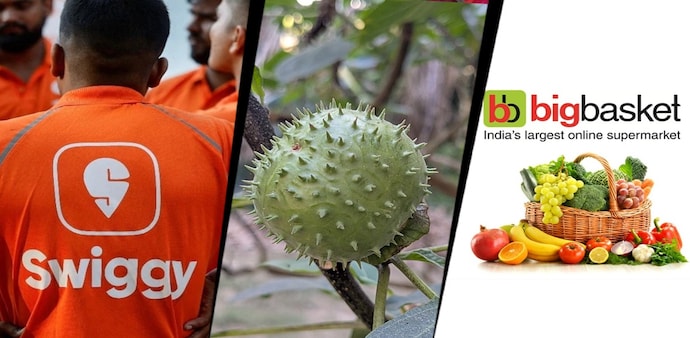
The Karnataka Food Safety and Drugs Administration Department has suspended the food licences of Amazon, Swiggy Instamart and BigBasket after toxic datura fruits and seeds were found listed and sold on their platforms as food products. The action follows complaints and an investigation into the online sale of the poisonous plant.
Datura listed online as food
According to the Karnataka regulator, datura fruits and seeds were being displayed for sale on e-commerce platforms despite being poisonous and posing a serious risk to human health if consumed. During the investigation, authorities found packets carrying food licence or registration numbers, with the products reportedly stored in warehouses and offered for sale or distribution.
READ THIS: 'Time to take this pan-India?': Harsh Goenka backs Ahmedabad’s CCTV rule for restaurants
The department said that storing, selling or distributing datura as food was impermissible and ordered the immediate removal of online listings and advertisements offering the products for human consumption.
Datura, also known as dhatura or thorn apple, is a poisonous plant. Officials have warned that consuming it without appropriate processing can result in severe health consequences.
What Amazon, Swiggy and BigBasket said
The regulator also sought explanations from the companies. Amazon did not submit a response, while Swiggy Instamart sought additional time to provide documents detailing the action it had taken.
DON'T MISS: Maharashtra FDA suspends licences of McDonald's, Bombay Presidency Radio Club over food safety violations
BigBasket, meanwhile, said it had already stopped the online sale of the fruits. The company also indicated that it would improve labelling in future, including clearly stating that such products are “Not for human consumption.” However, the department found the responses and explanations unsatisfactory.
Suppliers also face action
The regulatory action is not limited to the three platforms. The licences and registrations of suppliers and sellers that provided the datura products to the platforms have also been ordered to be suspended with immediate effect.The department has directed the concerned food business operators to remove or suspend every listing and advertisement offering datura fruits or seeds as food. The platforms have also been instructed to stop their sale and distribution for human consumption.
Suspension to continue until further orders
The food licence suspensions will remain in force until further orders. According to the regulatory order, the companies can seek reversal of the action following a hearing and submission of their responses.
The move puts the spotlight on food-safety checks across online grocery and quick-commerce platforms, particularly where third-party sellers are involved. It also raises questions about how potentially dangerous products are identified and prevented from being marketed as food before reaching consumers.
The Karnataka Food Safety and Drugs Administration Department has suspended the food licences of Amazon, Swiggy Instamart and BigBasket after toxic datura fruits and seeds were found listed and sold on their platforms as food products. The action follows complaints and an investigation into the online sale of the poisonous plant.
Datura listed online as food
According to the Karnataka regulator, datura fruits and seeds were being displayed for sale on e-commerce platforms despite being poisonous and posing a serious risk to human health if consumed. During the investigation, authorities found packets carrying food licence or registration numbers, with the products reportedly stored in warehouses and offered for sale or distribution.
READ THIS: 'Time to take this pan-India?': Harsh Goenka backs Ahmedabad’s CCTV rule for restaurants
The department said that storing, selling or distributing datura as food was impermissible and ordered the immediate removal of online listings and advertisements offering the products for human consumption.
Datura, also known as dhatura or thorn apple, is a poisonous plant. Officials have warned that consuming it without appropriate processing can result in severe health consequences.
What Amazon, Swiggy and BigBasket said
The regulator also sought explanations from the companies. Amazon did not submit a response, while Swiggy Instamart sought additional time to provide documents detailing the action it had taken.
DON'T MISS: Maharashtra FDA suspends licences of McDonald's, Bombay Presidency Radio Club over food safety violations
BigBasket, meanwhile, said it had already stopped the online sale of the fruits. The company also indicated that it would improve labelling in future, including clearly stating that such products are “Not for human consumption.” However, the department found the responses and explanations unsatisfactory.
Suppliers also face action
The regulatory action is not limited to the three platforms. The licences and registrations of suppliers and sellers that provided the datura products to the platforms have also been ordered to be suspended with immediate effect.The department has directed the concerned food business operators to remove or suspend every listing and advertisement offering datura fruits or seeds as food. The platforms have also been instructed to stop their sale and distribution for human consumption.
Suspension to continue until further orders
The food licence suspensions will remain in force until further orders. According to the regulatory order, the companies can seek reversal of the action following a hearing and submission of their responses.
The move puts the spotlight on food-safety checks across online grocery and quick-commerce platforms, particularly where third-party sellers are involved. It also raises questions about how potentially dangerous products are identified and prevented from being marketed as food before reaching consumers.