
Middle East crisis puts India’s energy security and resilience in focus: S&P Global
Indian refiners navigated the shock through commercial pragmatism and flexible sourcing, but the country now needs an integrated storage policy covering both fuels and electricity.
- Sep 30, 2026,
- Updated Sep 30, 2026 5:10 PM IST
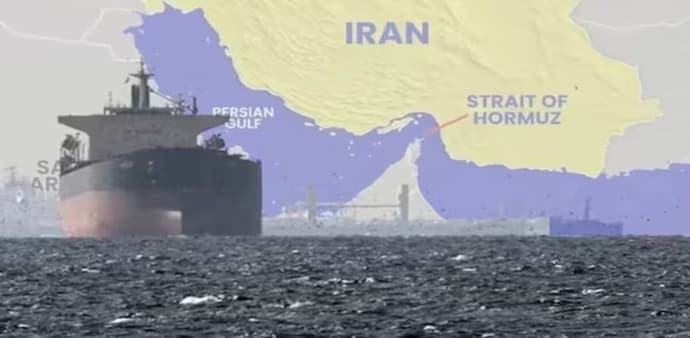
The effective closure of the Strait of Hormuz has caused the largest disruption to energy supplies since World War II, cutting crude oil and refined product supplies by 20% and LNG supplies by 16%, according to the latest report from the S&P Global India Research Chapter.
The impact has been most severe in Asia, particularly in emerging and developing economies, where reserves of oil, refined products and gas are low and the capacity to absorb price shocks is limited.
“The disruption to energy supplies through the Strait of Hormuz has been a severe test of energy security for high-growth Asia. India, which relies heavily on the Strait of Hormuz for oil, refined products, gas and adjacent supply chains, has faced reductions in crude and LPG of 20% and 12%, respectively, as well as a drop in LNG of 16%. Economic resilience and energy security are critical as India responds to this continuing supply shock,” said Dave Ernsberger, President, S&P Global Energy.
More than half of India’s crude oil imports pass through the Strait of Hormuz, making the country one of the most exposed to the waterway’s effective closure.
The crisis has underscored the need to strengthen energy security across Asia by diversifying supply sources and building strategic reserves of crude oil, refined products and, where feasible, gas. For India, integrated storage and more diverse supply chains will be essential to creating a resilient energy system.
The next phase of India’s energy transition will be shaped by both climate ambition and the need for resilience in an increasingly uncertain world. The Strait of Hormuz crisis shows how external energy risks can strengthen the case for self-reliance. The challenge for the power sector is to deliver clean, reliable and affordable electricity at scale.
India is likely to continue positioning itself as a leading power rather than a balancing one, underlining its ambition to become a more influential global player.
The effective closure of the Strait of Hormuz has caused the largest disruption to energy supplies since World War II, cutting crude oil and refined product supplies by 20% and LNG supplies by 16%, according to the latest report from the S&P Global India Research Chapter.
The impact has been most severe in Asia, particularly in emerging and developing economies, where reserves of oil, refined products and gas are low and the capacity to absorb price shocks is limited.
“The disruption to energy supplies through the Strait of Hormuz has been a severe test of energy security for high-growth Asia. India, which relies heavily on the Strait of Hormuz for oil, refined products, gas and adjacent supply chains, has faced reductions in crude and LPG of 20% and 12%, respectively, as well as a drop in LNG of 16%. Economic resilience and energy security are critical as India responds to this continuing supply shock,” said Dave Ernsberger, President, S&P Global Energy.
More than half of India’s crude oil imports pass through the Strait of Hormuz, making the country one of the most exposed to the waterway’s effective closure.
The crisis has underscored the need to strengthen energy security across Asia by diversifying supply sources and building strategic reserves of crude oil, refined products and, where feasible, gas. For India, integrated storage and more diverse supply chains will be essential to creating a resilient energy system.
The next phase of India’s energy transition will be shaped by both climate ambition and the need for resilience in an increasingly uncertain world. The Strait of Hormuz crisis shows how external energy risks can strengthen the case for self-reliance. The challenge for the power sector is to deliver clean, reliable and affordable electricity at scale.
India is likely to continue positioning itself as a leading power rather than a balancing one, underlining its ambition to become a more influential global player.