
Nana Patekar dies at 75: ‘Ek machhar...’ to ‘Aa gaye meri maut...’ his 10 iconic dialogues
From the fury of Krantiveer and the street-smart menace of Ghulam-E-Mustafa to the dark humour of Welcome and the hard-edged realism of Ab Tak Chhappan, Patekar turned words into weapons.
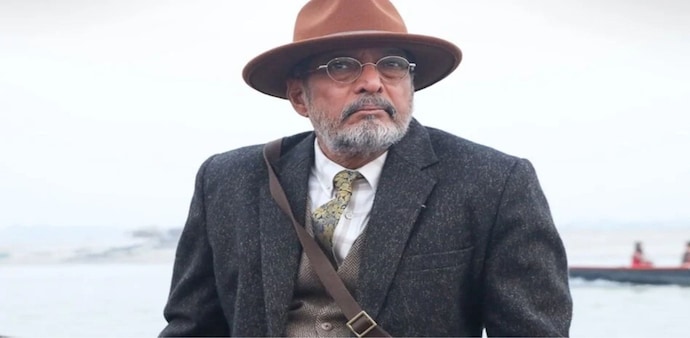
- Oct 8, 2026,
- Updated Oct 8, 2026 8:07 AM IST
Nana Patekar’s death at 75 marks the end of a remarkable acting career in which his voice, pauses and sheer intensity often made a dialogue bigger than the scene itself. He died on October 8, 2026, after suffering a cardiac arrest at his Goa residence.
For an actor who could dominate a scene without raising his voice, Nana Patekar had an unusual gift: he could make a line sound less like a written dialogue and more like an emotion erupting in real time.
Patekar, one of Indian cinema’s most distinctive performers, died at the age of 75 on October 8. He was found unconscious at his residence in Goa after suffering a severe cardiac arrest, and doctors reportedly attempted to revive him for around 45 minutes.
As tributes pour in, one part of his legacy is certain to resurface repeatedly — his dialogues.
From the fury of Krantiveer and the street-smart menace of Ghulam-E-Mustafa to the dark humour of Welcome and the hard-edged realism of Ab Tak Chhappan, Patekar turned words into weapons.
‘Krantiveer’: When a dialogue became a rallying cry
If there is one film most closely associated with Nana Patekar’s dialogue delivery, it is Krantiveer (1994).
Playing Pratap Narayan Tilak, Patekar delivered a series of confrontational lines about corruption, communal divisions and a society losing its moral compass. Among the most remembered was his challenge over religious identity: “Ye Musalman ka khoon, ye Hindu ka khoon...” — a scene that reduced communal identity to the absurdity of distinguishing between two kinds of human blood.
Another unforgettable moment began with: “Aa gaye meri maut ka tamasha dekhne...” The sequence became one of the defining scenes of his career.
Interestingly, accounts of the film's making say the climactic monologue was not originally written as a conventional scripted scene. Patekar reportedly went on to deliver the sequence spontaneously, turning his emotions into one of Hindi cinema's most remembered performances.
‘Yeshwant’: The anger of a policeman
In Yeshwant (1997), Patekar played a police officer confronting the rot within the system.
The film produced another widely remembered line: “Ek machhar, saala...” — a brutally simple metaphor for how something seemingly insignificant can strip a person of power and dignity.
The dialogue worked because it captured the character's worldview: a policeman who sees the city, crime and the machinery of law enforcement without romanticising any of them.
Patekar's delivery — clipped, irritated and almost conversational — gave the line its impact.
‘Ghulam-E-Mustafa’: Menacing without shouting
Patekar's ability to make menace sound effortless was on full display in Ghulam-E-Mustafa (1997).
His dialogue, “Maut se badhkar koi dost nahin hai...” became associated with the fatalistic worldview of the character.
The film also demonstrated one of Patekar's defining strengths: he rarely depended on conventional Bollywood swagger. His characters could be intimidating precisely because they appeared to be speaking from lived experience rather than performing toughness.
‘Ab Tak Chhappan’: The language of the system
As Inspector Sadhu Agashe in Ab Tak Chhappan (2004), Patekar brought a different kind of intensity to the police drama.
The film's famous line, “Hum sab system ka hissa hain...” captured the central tension of the story — whether an officer fighting crime can remain untouched by the system he serves.
Another memorable line described criminals as “society ka kachra” and the protagonist as its “jamadar”, reinforcing the film's deliberately unsentimental view of policing.
Here, Patekar's strength was not theatricality. It was restraint. His delivery made the character appear exhausted by the violence around him rather than impressed by it.
‘Welcome’: The comic side of Nana
Then came Uday Shetty in Welcome (2007), a role that introduced Patekar's dialogue delivery to a completely different generation.
Opposite Anil Kapoor's Majnu Bhai, Patekar played the short-tempered don with an almost deadpan comic rhythm. The character's exchanges became instantly recognisable, proving that the actor's intensity could work just as effectively in comedy.
His comic timing came from the same quality that powered his serious performances: absolute commitment to the character.
Why Nana Patekar’s dialogues endured
There were technically better-written dialogues, louder stars and more elaborate monologues. Yet Patekar's lines endured because he rarely appeared to be reciting them. He inhabited them.
His voice could move from a whisper to a roar. His pauses could carry as much meaning as the words themselves. A sarcastic glance, a sudden change in pitch or a long silence could turn an ordinary sentence into a memorable cinematic moment.
That is why his dialogues travelled beyond the films.
People repeated them in conversations, mimicked his delivery and used fragments of them as shorthand for anger, frustration, humour or defiance.
Nana Patekar's career stretched across Hindi and Marathi cinema and included acclaimed performances in films such as Parinda, Krantiveer, Agni Sakshi, Khamoshi: The Musical, Yeshwant, Ab Tak Chhappan and Welcome. His filmography also reflected his remarkable range — from intense dramatic roles to villains, policemen and comic characters. (Wikipedia)
But when his career is remembered, it may be his voice that comes back first. A voice that could sound angry, wounded, sarcastic, frightening or unexpectedly funny — sometimes within the same scene.
Nana Patekar’s death at 75 marks the end of a remarkable acting career in which his voice, pauses and sheer intensity often made a dialogue bigger than the scene itself. He died on October 8, 2026, after suffering a cardiac arrest at his Goa residence.
For an actor who could dominate a scene without raising his voice, Nana Patekar had an unusual gift: he could make a line sound less like a written dialogue and more like an emotion erupting in real time.
Patekar, one of Indian cinema’s most distinctive performers, died at the age of 75 on October 8. He was found unconscious at his residence in Goa after suffering a severe cardiac arrest, and doctors reportedly attempted to revive him for around 45 minutes.
As tributes pour in, one part of his legacy is certain to resurface repeatedly — his dialogues.
From the fury of Krantiveer and the street-smart menace of Ghulam-E-Mustafa to the dark humour of Welcome and the hard-edged realism of Ab Tak Chhappan, Patekar turned words into weapons.
‘Krantiveer’: When a dialogue became a rallying cry
If there is one film most closely associated with Nana Patekar’s dialogue delivery, it is Krantiveer (1994).
Playing Pratap Narayan Tilak, Patekar delivered a series of confrontational lines about corruption, communal divisions and a society losing its moral compass. Among the most remembered was his challenge over religious identity: “Ye Musalman ka khoon, ye Hindu ka khoon...” — a scene that reduced communal identity to the absurdity of distinguishing between two kinds of human blood.
Another unforgettable moment began with: “Aa gaye meri maut ka tamasha dekhne...” The sequence became one of the defining scenes of his career.
Interestingly, accounts of the film's making say the climactic monologue was not originally written as a conventional scripted scene. Patekar reportedly went on to deliver the sequence spontaneously, turning his emotions into one of Hindi cinema's most remembered performances.
‘Yeshwant’: The anger of a policeman
In Yeshwant (1997), Patekar played a police officer confronting the rot within the system.
The film produced another widely remembered line: “Ek machhar, saala...” — a brutally simple metaphor for how something seemingly insignificant can strip a person of power and dignity.
The dialogue worked because it captured the character's worldview: a policeman who sees the city, crime and the machinery of law enforcement without romanticising any of them.
Patekar's delivery — clipped, irritated and almost conversational — gave the line its impact.
‘Ghulam-E-Mustafa’: Menacing without shouting
Patekar's ability to make menace sound effortless was on full display in Ghulam-E-Mustafa (1997).
His dialogue, “Maut se badhkar koi dost nahin hai...” became associated with the fatalistic worldview of the character.
The film also demonstrated one of Patekar's defining strengths: he rarely depended on conventional Bollywood swagger. His characters could be intimidating precisely because they appeared to be speaking from lived experience rather than performing toughness.
‘Ab Tak Chhappan’: The language of the system
As Inspector Sadhu Agashe in Ab Tak Chhappan (2004), Patekar brought a different kind of intensity to the police drama.
The film's famous line, “Hum sab system ka hissa hain...” captured the central tension of the story — whether an officer fighting crime can remain untouched by the system he serves.
Another memorable line described criminals as “society ka kachra” and the protagonist as its “jamadar”, reinforcing the film's deliberately unsentimental view of policing.
Here, Patekar's strength was not theatricality. It was restraint. His delivery made the character appear exhausted by the violence around him rather than impressed by it.
‘Welcome’: The comic side of Nana
Then came Uday Shetty in Welcome (2007), a role that introduced Patekar's dialogue delivery to a completely different generation.
Opposite Anil Kapoor's Majnu Bhai, Patekar played the short-tempered don with an almost deadpan comic rhythm. The character's exchanges became instantly recognisable, proving that the actor's intensity could work just as effectively in comedy.
His comic timing came from the same quality that powered his serious performances: absolute commitment to the character.
Why Nana Patekar’s dialogues endured
There were technically better-written dialogues, louder stars and more elaborate monologues. Yet Patekar's lines endured because he rarely appeared to be reciting them. He inhabited them.
His voice could move from a whisper to a roar. His pauses could carry as much meaning as the words themselves. A sarcastic glance, a sudden change in pitch or a long silence could turn an ordinary sentence into a memorable cinematic moment.
That is why his dialogues travelled beyond the films.
People repeated them in conversations, mimicked his delivery and used fragments of them as shorthand for anger, frustration, humour or defiance.
Nana Patekar's career stretched across Hindi and Marathi cinema and included acclaimed performances in films such as Parinda, Krantiveer, Agni Sakshi, Khamoshi: The Musical, Yeshwant, Ab Tak Chhappan and Welcome. His filmography also reflected his remarkable range — from intense dramatic roles to villains, policemen and comic characters. (Wikipedia)
But when his career is remembered, it may be his voice that comes back first. A voice that could sound angry, wounded, sarcastic, frightening or unexpectedly funny — sometimes within the same scene.