
New paper leak bill in Lok Sabha today, proposes harsher punishment; MPs given draft
New paper leak bill: Under the proposed amendments, investigations by police, central agencies, or Special Task Forces must be completed within two months.
- Jul 27, 2026,
- Updated Jul 27, 2026 8:19 AM IST
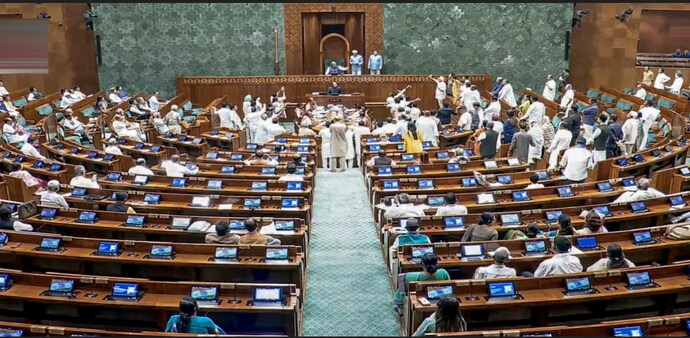
Paper leak bill: The Public Examinations (Prevention of Unfair Means) Amendment Bill, 2026, is set to be introduced in Parliament today. The Bill aims to amend the 2024 Act to impose stricter punishments, ensure time-bound investigations and trials, and establish fast-track courts in every state and Union Territory for cases related to paper leaks and other unfair practices in public examinations.
The Bill has been listed for introduction, consideration, and passage in the Lok Sabha. Union Minister Jitendra Singh will move the Bill. The draft was circulated among MPs before the resignation of Union Education Minister Dharmendra Pradhan and was approved by the Union Cabinet last Friday.
Under the proposed amendments, investigations by police, central agencies, or Special Task Forces must be completed within two months. The Central Government will have the power to form Special Task Forces as needed. State governments and Union Territory administrations can designate special fast-track courts to conduct trials on a day-to-day basis, with completion within three months of chargesheet filing.
WHAT THE BILL PROPOSES
The Bill proposes harsher punishments for those involved in paper leaks or unfair means. Imprisonment terms will increase to five to 10 years from the current three to five years, and fines may go up to ₹50 lakh from ₹10 lakh. For organised crimes, the minimum jail term rises from five to seven years, and fines increase from ₹1 crore to ₹10 crore.
Service providers involved in public examinations will face stricter penalties. Maximum fines will increase from ₹1 crore to ₹5 crore, and the ban period for defaulting providers will double from four to eight years. Directors and senior management found complicit will face a minimum of five years imprisonment and fines up to ₹5 crore.
The Bill's Statement of Objects and Reasons cites recent question paper leaks and malpractices affecting examination transparency and fairness. It includes provisions for engaging other government agencies, setting norms and guidelines, and reporting offences.
These norms cover pre- and post-examination processes such as centre readiness audits, candidate check-in, biometric registration, security, seat allocation, question paper handling, invigilation, and guidelines for scribes. The Bill lists 15 illegal acts including leaking question papers, tampering with OMR sheets, creating fake websites, and issuing fake admit cards. The amendments aim to ensure quicker investigations, faster trials, and tougher penalties in public examination cases.
CJP-LED STUDENTS’ PROTESTS
The government announced the Bill following student protests led by the Cockroach Janta Party over the NEET paper leak. Opposition protests had earlier disrupted Parliament proceedings. The Opposition's position on the Bill is yet to be clarified, with Rahul Gandhi stating they will act based on consensus.
Prime Minister Narendra Modi had promised a law to address cases like the NEET-UG paper leak and fast-track trials for the accused. The Cockroach Janta Party ended its 36-day agitation after Dharmendra Pradhan's resignation and acceptance of other demands.
Paper leak bill: The Public Examinations (Prevention of Unfair Means) Amendment Bill, 2026, is set to be introduced in Parliament today. The Bill aims to amend the 2024 Act to impose stricter punishments, ensure time-bound investigations and trials, and establish fast-track courts in every state and Union Territory for cases related to paper leaks and other unfair practices in public examinations.
The Bill has been listed for introduction, consideration, and passage in the Lok Sabha. Union Minister Jitendra Singh will move the Bill. The draft was circulated among MPs before the resignation of Union Education Minister Dharmendra Pradhan and was approved by the Union Cabinet last Friday.
Under the proposed amendments, investigations by police, central agencies, or Special Task Forces must be completed within two months. The Central Government will have the power to form Special Task Forces as needed. State governments and Union Territory administrations can designate special fast-track courts to conduct trials on a day-to-day basis, with completion within three months of chargesheet filing.
WHAT THE BILL PROPOSES
The Bill proposes harsher punishments for those involved in paper leaks or unfair means. Imprisonment terms will increase to five to 10 years from the current three to five years, and fines may go up to ₹50 lakh from ₹10 lakh. For organised crimes, the minimum jail term rises from five to seven years, and fines increase from ₹1 crore to ₹10 crore.
Service providers involved in public examinations will face stricter penalties. Maximum fines will increase from ₹1 crore to ₹5 crore, and the ban period for defaulting providers will double from four to eight years. Directors and senior management found complicit will face a minimum of five years imprisonment and fines up to ₹5 crore.
The Bill's Statement of Objects and Reasons cites recent question paper leaks and malpractices affecting examination transparency and fairness. It includes provisions for engaging other government agencies, setting norms and guidelines, and reporting offences.
These norms cover pre- and post-examination processes such as centre readiness audits, candidate check-in, biometric registration, security, seat allocation, question paper handling, invigilation, and guidelines for scribes. The Bill lists 15 illegal acts including leaking question papers, tampering with OMR sheets, creating fake websites, and issuing fake admit cards. The amendments aim to ensure quicker investigations, faster trials, and tougher penalties in public examination cases.
CJP-LED STUDENTS’ PROTESTS
The government announced the Bill following student protests led by the Cockroach Janta Party over the NEET paper leak. Opposition protests had earlier disrupted Parliament proceedings. The Opposition's position on the Bill is yet to be clarified, with Rahul Gandhi stating they will act based on consensus.
Prime Minister Narendra Modi had promised a law to address cases like the NEET-UG paper leak and fast-track trials for the accused. The Cockroach Janta Party ended its 36-day agitation after Dharmendra Pradhan's resignation and acceptance of other demands.