
NHAI scraps KYV for car users from February 1, 2026, offers relief to drivers
In cases where vehicle details are not available in VAHAN, banks must verify information using the Registration Certificate and take full responsibility.
- Jan 1, 2026,
- Updated Jan 1, 2026 6:28 PM IST
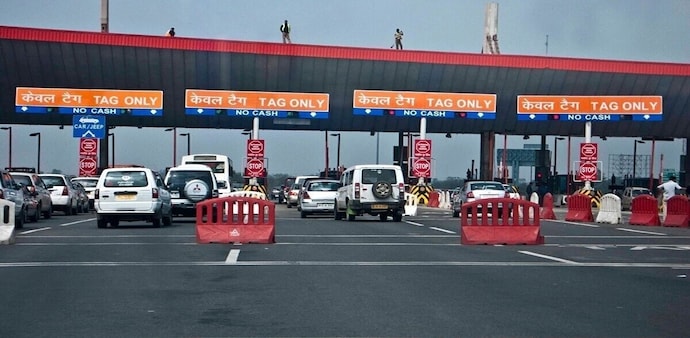
The National Highways Authority of India (NHAI) on Thursday announced that the Know Your Vehicle (KYV) process will no longer be required for cars on all new FASTag issuances from February 1, 2026.
The move is aimed at improving convenience for road users and eliminating delays and harassment that some commuters have faced after FASTag activation.
The reform is expected to bring relief to lakhs of car owners who were previously required to complete KYV even when their vehicle documents were valid. For existing FASTags already issued to cars, KYV will no longer be a routine requirement.
“KYV will be required only in specific cases where complaints are received, such as issues related to loose FASTags, incorrect issuance or misuse. In the absence of any complaint, no KYV will be required for existing car FASTags,” NHAI said in a statement.
Alongside this change, the authority has strengthened pre-activation verification checks to make the process more reliable. FASTag activation will now be allowed only after vehicle details are verified through the VAHAN database.
The earlier option of validating details after activation has been removed. In cases where vehicle details are not available on VAHAN, banks must verify the information using the Registration Certificate (RC) and will bear full responsibility for the verification. This requirement will also apply to FASTags sold online, which will be activated only after proper validation by issuing banks.
“These measures ensure that all vehicle verification is completed upfront, removing the need for repeated follow-ups with customers after FASTag activation,” NHAI added.
The reforms underscore NHAI’s commitment to making the FASTag system simpler, more transparent and technology-driven, while also reducing complaints. By placing the responsibility for verification entirely on issuing banks before activation, the authority aims to deliver a smoother and more hassle-free experience for users of India’s national highways.
The National Highways Authority of India (NHAI) on Thursday announced that the Know Your Vehicle (KYV) process will no longer be required for cars on all new FASTag issuances from February 1, 2026.
The move is aimed at improving convenience for road users and eliminating delays and harassment that some commuters have faced after FASTag activation.
The reform is expected to bring relief to lakhs of car owners who were previously required to complete KYV even when their vehicle documents were valid. For existing FASTags already issued to cars, KYV will no longer be a routine requirement.
“KYV will be required only in specific cases where complaints are received, such as issues related to loose FASTags, incorrect issuance or misuse. In the absence of any complaint, no KYV will be required for existing car FASTags,” NHAI said in a statement.
Alongside this change, the authority has strengthened pre-activation verification checks to make the process more reliable. FASTag activation will now be allowed only after vehicle details are verified through the VAHAN database.
The earlier option of validating details after activation has been removed. In cases where vehicle details are not available on VAHAN, banks must verify the information using the Registration Certificate (RC) and will bear full responsibility for the verification. This requirement will also apply to FASTags sold online, which will be activated only after proper validation by issuing banks.
“These measures ensure that all vehicle verification is completed upfront, removing the need for repeated follow-ups with customers after FASTag activation,” NHAI added.
The reforms underscore NHAI’s commitment to making the FASTag system simpler, more transparent and technology-driven, while also reducing complaints. By placing the responsibility for verification entirely on issuing banks before activation, the authority aims to deliver a smoother and more hassle-free experience for users of India’s national highways.