
No more toll queues? Delhi to get barrier-free tolls at all entry points; all you need to know
The new system will build on the existing FASTag network but eliminate the delays that cause queues at toll plazas on highways.
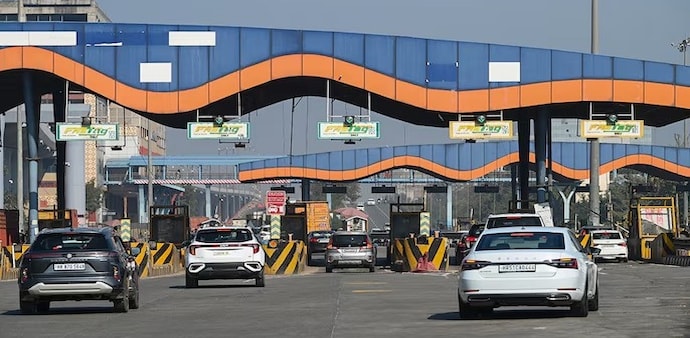
- Nov 26, 2026,
- Updated Nov 26, 2026 12:02 PM IST
Vehicles entering Delhi may soon be able to cross toll points without stopping, as the Municipal Corporation of Delhi (MCD) prepares to roll out a Multi-Lane Free Flow (MLFF) tolling system across the capital’s entry points, NDTV reported. The system is designed to replace queues and barriers with automated electronic toll collection while vehicles remain in motion.
The first phase will cover 20 major toll locations, which together account for about 85 per cent of traffic entering Delhi. Ghazipur, Rajokri, Badarpur, Dwarka, Aya Nagar and the Delhi-Gurugram corridor are among the locations identified for the rollout.
The MCD operates 154 toll-collection points across the city, and the remaining locations are expected to be covered in later phases. The project had initially targeted October 31, 2026, for operationalisation at major locations, but installation and trial runs were still under way in November.
The technology was first introduced by the National Highways Authority of India at the Chorayasi toll plaza on the Surat-Bharuch stretch of NH-48 in Gujarat in May 2026, where around 41,500 vehicles crossed the MLFF location on the first day.
MUST READ: 5 times the tax, impounding of vehicle: MCD has a new plan for those evading toll
What is MLFF?
MLFF is a barrier-free electronic toll-collection mechanism that allows vehicles to pass through tolling points without stopping or slowing down at conventional booths. Rather than replacing FASTag, it builds on the existing FASTag ecosystem and uses overhead gantries fitted with tolling equipment.
The MCD has already installed the framework at the Ghazipur toll plaza, and the civic body plans to extend it to all entry points into Delhi. The initiative is aimed at easing congestion, saving commuters’ time and fuel, and reducing emissions caused by idling vehicles at busy borders.
How the system works
As a vehicle passes beneath a gantry, high-performance Radio Frequency Identification (RFID) readers scan its FASTag. At the same time, Automatic Number Plate Recognition (ANPR) cameras read the registration number, while sensors and surveillance cameras detect the vehicle and support the transaction record.
The system then matches the vehicle details with its category and applicable toll rules, processing the payment electronically. This means commercial vehicles will not need to wait for a barrier to open or stop at a booth to make a payment.
Who will pay?
The introduction of MLFF does not mean every vehicle entering Delhi will automatically pay an entry toll. The MCD currently collects tolls from commercial vehicles, with charges depending on vehicle category and existing rules; private cars are not automatically liable for the commercial-vehicle entry toll.
The MCD also collects the Environment Compensation Charge (ECC) at entry points, and the new infrastructure is expected to support digital collection of applicable charges.
DON'T MISS: India's first barrier-free toll plazas earned ₹89 crore more than toll booths did a year earlier
What if FASTag fails?
Motorists will need to keep sufficient balance in their FASTag accounts to avoid payment issues. Under the NHAI’s existing MLFF framework, vehicles with insufficient, invalid or non-functional FASTags may receive an Electronic Notice (E-Notice) for non-payment.
Such users will have 72 hours to pay the normal toll after receiving the notice. If they do not comply, the payable amount rises to twice the normal user fee for that vehicle category.