
PM Modi turns 76: Tracing his rise from Gujarat to world's most popular leader
Modi's political appeal rests on several overlapping elements. He has built an unusually personalised connection between the leader, his political message and the government's delivery of schemes.
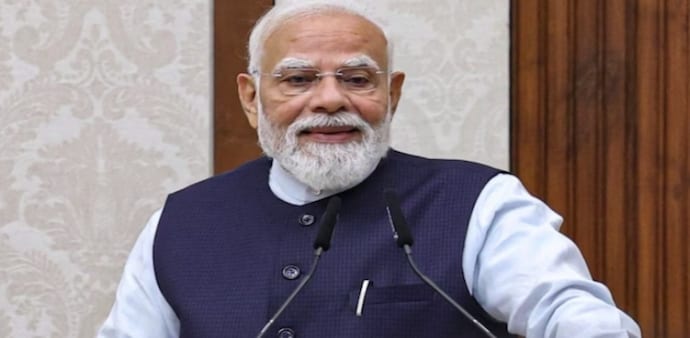
- Sep 17, 2026,
- Updated Sep 17, 2026 10:54 AM IST
From a grassroots organiser in Gujarat to India's Prime Minister, Narendra Modi's political journey spans more than five decades. On September 17, 2026, as Modi turns 76, his political journey spans more than five decades of public life and 25 years at the head of a government.
The latest global approval data also puts him at the top of an international list. A Morning Consult tracker in March 2026 put Modi's approval at 68%, the highest among the national leaders covered by the survey.
That makes the question of Modi's enduring political appeal as important as the milestones that built his career.
Stint as Gujarat CM
Born on September 17, 1950, in Vadnagar (Gujarat), Modi he entered public life through the Rashtriya Swayamsevak Sangh (RSS). He later joined the BJP's organisational structure in Gujarat and rose through the party ranks.
His organisational responsibilities expanded nationally in the 1990s. Modi served as the BJP's national secretary and later general secretary (organisation), working on party assignments across several states.
The defining shift came in October 2001, when he became Gujarat chief minister. Modi's 13-year tenure as Gujarat chief minister became the foundation of his national political identity.
His supporters highlighted Gujarat's infrastructure, industrial expansion, investment promotion and administrative reforms. By 2013, the BJP had chosen Modi as its prime ministerial candidate.
2014: Modi goes national
The 2014 Lok Sabha election transformed Modi into a national political force. The BJP won 282 seats, securing a majority on its own. Modi became prime minister on May 26, 2014.
His first government focused on financial inclusion, sanitation, housing, infrastructure, manufacturing, digitalisation and welfare delivery.
At the same time, Modi developed a highly personalised political communication strategy, using rallies, social media, radio and direct digital outreach to maintain a continuous connection with voters.
2019: A bigger mandate
The 2019 election strengthened his position. The BJP increased its tally to 303 seats, giving Modi a second consecutive term with a larger parliamentary mandate.
His second term saw several major political and policy decisions, including the abrogation of Jammu and Kashmir's special constitutional status, the Citizenship Amendment Act and the government's push on welfare, digital public infrastructure and India's global positioning.
India's G20 presidency in 2023 further elevated Modi's international profile, with the government positioning India as a voice for the Global South.
2024: Third term, coalition government
The 2024 election produced a different parliamentary arithmetic. The BJP won 240 seats, below the 272-seat majority mark, but the BJP-led National Democratic Alliance secured 293 seats. Modi took oath for a third consecutive term on June 9, 2024.
The result made Modi only the second prime minister after Jawaharlal Nehru to return to office for a third consecutive term.
But the BJP's reduced tally also meant that Modi's third government depended on coalition partners. The election highlighted issues including jobs, prices and rural economic pressures alongside the BJP's broader political agenda.
What sustains Modi's popularity?
Modi's political appeal rests on several overlapping elements. He has built an unusually personalised connection between the leader, his political message and the government's delivery of schemes. "Modi guarantee", welfare delivery and direct communication have become recurring features of BJP campaigning.
Welfare and delivery have been central to the BJP's messaging, with schemes covering food security, housing, sanitation, cooking gas, financial inclusion and digital payments creating a direct connection between government programmes and beneficiaries.
Nationalism and identity form another important part of his political appeal. Supporters view Modi's emphasis on India's civilisational identity and global standing as a strengthening of the country’s position. Critics, meanwhile, have raised concerns about religious polarisation, minority rights and democratic institutions.
Foreign policy has also become part of Modi's domestic political narrative. His government has sought deeper ties with the US, Europe and West Asia while maintaining strategic relationships with Russia and engaging more actively with the Global South.
25 years at the top of government
Modi's longevity in power is itself unusual. He became Gujarat chief minister in 2001 and remained in the post until 2014. He then moved directly to the prime minister's office, serving from 2014 to 2019, 2019 to 2024 and, since June 2024, for a third term.
In March 2026, he also crossed the tenure of former Sikkim chief minister Pawan Kumar Chamling to become India's longest-serving head of a government when measured across uninterrupted service at the state and national levels.
His political journey, therefore, is no longer simply the story of an individual rising from a small Gujarat town to India's highest elected office. It is the story of an organisational politician who converted party machinery into a national electoral platform, turned governance into a political brand, and built a leadership model that has remained electorally consequential for more than two decades.
From a grassroots organiser in Gujarat to India's Prime Minister, Narendra Modi's political journey spans more than five decades. On September 17, 2026, as Modi turns 76, his political journey spans more than five decades of public life and 25 years at the head of a government.
The latest global approval data also puts him at the top of an international list. A Morning Consult tracker in March 2026 put Modi's approval at 68%, the highest among the national leaders covered by the survey.
That makes the question of Modi's enduring political appeal as important as the milestones that built his career.
Stint as Gujarat CM
Born on September 17, 1950, in Vadnagar (Gujarat), Modi he entered public life through the Rashtriya Swayamsevak Sangh (RSS). He later joined the BJP's organisational structure in Gujarat and rose through the party ranks.
His organisational responsibilities expanded nationally in the 1990s. Modi served as the BJP's national secretary and later general secretary (organisation), working on party assignments across several states.
The defining shift came in October 2001, when he became Gujarat chief minister. Modi's 13-year tenure as Gujarat chief minister became the foundation of his national political identity.
His supporters highlighted Gujarat's infrastructure, industrial expansion, investment promotion and administrative reforms. By 2013, the BJP had chosen Modi as its prime ministerial candidate.
2014: Modi goes national
The 2014 Lok Sabha election transformed Modi into a national political force. The BJP won 282 seats, securing a majority on its own. Modi became prime minister on May 26, 2014.
His first government focused on financial inclusion, sanitation, housing, infrastructure, manufacturing, digitalisation and welfare delivery.
At the same time, Modi developed a highly personalised political communication strategy, using rallies, social media, radio and direct digital outreach to maintain a continuous connection with voters.
2019: A bigger mandate
The 2019 election strengthened his position. The BJP increased its tally to 303 seats, giving Modi a second consecutive term with a larger parliamentary mandate.
His second term saw several major political and policy decisions, including the abrogation of Jammu and Kashmir's special constitutional status, the Citizenship Amendment Act and the government's push on welfare, digital public infrastructure and India's global positioning.
India's G20 presidency in 2023 further elevated Modi's international profile, with the government positioning India as a voice for the Global South.
2024: Third term, coalition government
The 2024 election produced a different parliamentary arithmetic. The BJP won 240 seats, below the 272-seat majority mark, but the BJP-led National Democratic Alliance secured 293 seats. Modi took oath for a third consecutive term on June 9, 2024.
The result made Modi only the second prime minister after Jawaharlal Nehru to return to office for a third consecutive term.
But the BJP's reduced tally also meant that Modi's third government depended on coalition partners. The election highlighted issues including jobs, prices and rural economic pressures alongside the BJP's broader political agenda.
What sustains Modi's popularity?
Modi's political appeal rests on several overlapping elements. He has built an unusually personalised connection between the leader, his political message and the government's delivery of schemes. "Modi guarantee", welfare delivery and direct communication have become recurring features of BJP campaigning.
Welfare and delivery have been central to the BJP's messaging, with schemes covering food security, housing, sanitation, cooking gas, financial inclusion and digital payments creating a direct connection between government programmes and beneficiaries.
Nationalism and identity form another important part of his political appeal. Supporters view Modi's emphasis on India's civilisational identity and global standing as a strengthening of the country’s position. Critics, meanwhile, have raised concerns about religious polarisation, minority rights and democratic institutions.
Foreign policy has also become part of Modi's domestic political narrative. His government has sought deeper ties with the US, Europe and West Asia while maintaining strategic relationships with Russia and engaging more actively with the Global South.
25 years at the top of government
Modi's longevity in power is itself unusual. He became Gujarat chief minister in 2001 and remained in the post until 2014. He then moved directly to the prime minister's office, serving from 2014 to 2019, 2019 to 2024 and, since June 2024, for a third term.
In March 2026, he also crossed the tenure of former Sikkim chief minister Pawan Kumar Chamling to become India's longest-serving head of a government when measured across uninterrupted service at the state and national levels.
His political journey, therefore, is no longer simply the story of an individual rising from a small Gujarat town to India's highest elected office. It is the story of an organisational politician who converted party machinery into a national electoral platform, turned governance into a political brand, and built a leadership model that has remained electorally consequential for more than two decades.