
Quote of the Day by Nikhil Kamath: '9 out of 10 times, when things don't go your way, doing nothing is the best'
Kamath followed an unconventional path to entrepreneurship. He left formal education after Class 10 and began working at a call centre while teaching himself about stock markets
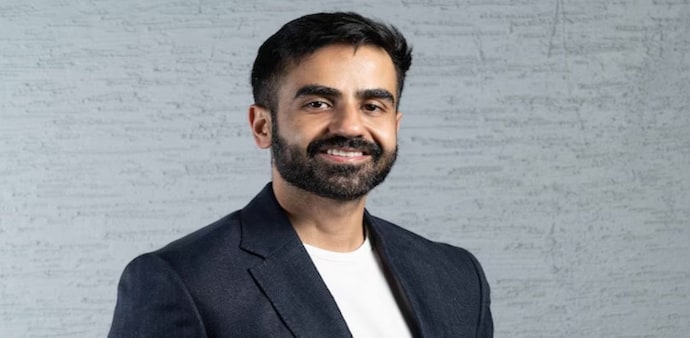
- Sep 23, 2026,
- Updated Sep 23, 2026 7:30 AM IST
“9 out of 10 times, when things don't go your way, doing nothing is the best.” Nikhil Kamath, Co-founder of Zerodha
Doing nothing is often the smartest response to setbacks because it prevents emotional, knee-jerk reactions from making a bad situation worse.
Who is Nikhil Kamath?
Nikhil Kamath (born September 5, 1986) is an Indian entrepreneur, investor and the co-founder of Zerodha, one of India’s leading stockbroking platforms. He co-founded Zerodha with his brother, Nithin Kamath, in 2010.
Kamath followed an unconventional path to entrepreneurship. He left formal education after Class 10 and began working at a call centre while teaching himself about stock markets. His early experiences eventually led him into trading and, later, to building Zerodha with his brother.
His journey has made him a prominent voice on entrepreneurship, investing, self-education and the importance of questioning conventional ideas.
When did Nikhil Kamath say this?
Nikhil Kamath originally shared this advice in a tweet in June 2022.
At the time, both the stock and cryptocurrency markets were facing severe downturns, and investors were bleeding money. Kamath posted this quote to caution eager traders against rushing into highly volatile relief rallies.
What does this quote mean?
This quote highlights the power of tactical inaction when dealing with failure, stress, or unexpected challenges. At its core, the message is that our immediate, knee-jerk reactions to bad news are usually driven by panic, anger, or desperation, which often makes a bad situation much worse.
By choosing to do nothing, you aren't giving up; instead, you are consciously pausing to let the emotional dust settle, conserve your energy, and gather clarity. In both life and fast-moving environments like financial markets, stepping back and allowing a situation to unfold naturally prevents you from making forced errors, ensuring that when you finally do act, it is driven by logic rather than impulse.
“9 out of 10 times, when things don't go your way, doing nothing is the best.” Nikhil Kamath, Co-founder of Zerodha
Doing nothing is often the smartest response to setbacks because it prevents emotional, knee-jerk reactions from making a bad situation worse.
Who is Nikhil Kamath?
Nikhil Kamath (born September 5, 1986) is an Indian entrepreneur, investor and the co-founder of Zerodha, one of India’s leading stockbroking platforms. He co-founded Zerodha with his brother, Nithin Kamath, in 2010.
Kamath followed an unconventional path to entrepreneurship. He left formal education after Class 10 and began working at a call centre while teaching himself about stock markets. His early experiences eventually led him into trading and, later, to building Zerodha with his brother.
His journey has made him a prominent voice on entrepreneurship, investing, self-education and the importance of questioning conventional ideas.
When did Nikhil Kamath say this?
Nikhil Kamath originally shared this advice in a tweet in June 2022.
At the time, both the stock and cryptocurrency markets were facing severe downturns, and investors were bleeding money. Kamath posted this quote to caution eager traders against rushing into highly volatile relief rallies.
What does this quote mean?
This quote highlights the power of tactical inaction when dealing with failure, stress, or unexpected challenges. At its core, the message is that our immediate, knee-jerk reactions to bad news are usually driven by panic, anger, or desperation, which often makes a bad situation much worse.
By choosing to do nothing, you aren't giving up; instead, you are consciously pausing to let the emotional dust settle, conserve your energy, and gather clarity. In both life and fast-moving environments like financial markets, stepping back and allowing a situation to unfold naturally prevents you from making forced errors, ensuring that when you finally do act, it is driven by logic rather than impulse.