
Rameshwaram Cafe accused planned blast at BJP office in Bengaluru on Ram Mandir inauguration
The NIA has charged four individuals in the Rameshwaram Cafe blast case, revealing a plot to attack the BJP office in Bengaluru
- Sep 9, 2024,
- Updated Sep 9, 2024 7:20 PM IST
The National Investigation Agency (NIA) has revealed in its chargesheet that the accused in the Rameshwaram Cafe blast case had planned to attack the state BJP office in Bengaluru on January 22 this year, coinciding with the Ram Mandir inauguration in Ayodhya.
The IED explosion, which took place on March 1 this year at the Rameshwaram Café, had left nine persons injured and extensively damaged the hotel property.
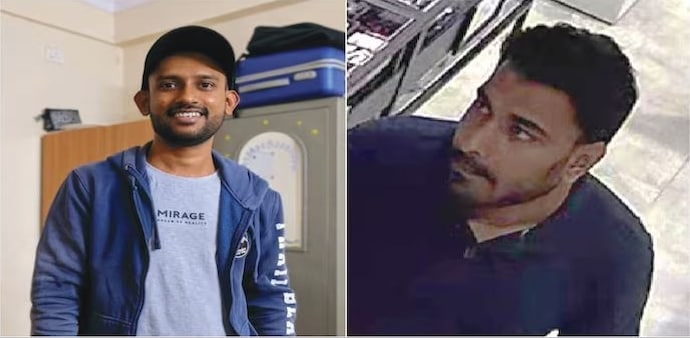
The NIA has chargesheeted four accused in the case: Mussavir Hussain Shazib, Abdul Matheen Ahmed Taaha, Maaz Muneer Ahmed, and Muzammil Shareef. In its probe, the agency found that Shazib was the man who had planted the bomb. He, along with Taaha, had previously been absconding since 2020 after the Al-Hind module was busted. Searches by the NIA had led to their arrest from their hideout in West Bengal 42 days after the Rameshwaram café explosion.
The two men, hailing from Shivamogga district of Karnataka, were ISIS radicals and had earlier conspired to do Hijrah to ISIS territories in Syria. "They were actively involved in radicalizing other gullible Muslim youth to the ISIS ideology, and Maaz Muneer Ahmed and Muzammil Shareef were among such youth," NIA said.
According to the agency, Taaha and Shazib had used fraudulently obtained Indian SIM cards and Indian bank accounts, and also used various Indian and Bangladeshi Identity documents downloaded from the Dark Web. "Investigations further revealed that Taaha had been introduced by an ex-convict, Shoaib Ahmed Mirza, to Mohammed Shaheed Faisal, an absconder in the LeT Bengaluru conspiracy case."
Taaha then introduced Faisal, his handler, to Mehaboob Pasha, an accused in the Al-Hind ISIS module case, and to Khaja Mohideen, Amir of ISIS South India, and later also to Maaz Muneer Ahmed. Taaha and Shazib were funded by their handler through cryptocurrencies, which Taaha converted to Fiat with the help of various Telegram-based P2P platforms, the agency said.
"The funds were used by the accused to perpetrate various acts of violence in Bengaluru. These included a failed IED attack at the state BJP office, Malleshwaram, Bengaluru, on the day of Pran Pratishtha ceremony at Ayodhya on 22nd January 2024, after which the two key accused had planned the Rameshwaram café blast," the NIA said.
The National Investigation Agency (NIA) has revealed in its chargesheet that the accused in the Rameshwaram Cafe blast case had planned to attack the state BJP office in Bengaluru on January 22 this year, coinciding with the Ram Mandir inauguration in Ayodhya.
The IED explosion, which took place on March 1 this year at the Rameshwaram Café, had left nine persons injured and extensively damaged the hotel property.
The NIA has chargesheeted four accused in the case: Mussavir Hussain Shazib, Abdul Matheen Ahmed Taaha, Maaz Muneer Ahmed, and Muzammil Shareef. In its probe, the agency found that Shazib was the man who had planted the bomb. He, along with Taaha, had previously been absconding since 2020 after the Al-Hind module was busted. Searches by the NIA had led to their arrest from their hideout in West Bengal 42 days after the Rameshwaram café explosion.
The two men, hailing from Shivamogga district of Karnataka, were ISIS radicals and had earlier conspired to do Hijrah to ISIS territories in Syria. "They were actively involved in radicalizing other gullible Muslim youth to the ISIS ideology, and Maaz Muneer Ahmed and Muzammil Shareef were among such youth," NIA said.
According to the agency, Taaha and Shazib had used fraudulently obtained Indian SIM cards and Indian bank accounts, and also used various Indian and Bangladeshi Identity documents downloaded from the Dark Web. "Investigations further revealed that Taaha had been introduced by an ex-convict, Shoaib Ahmed Mirza, to Mohammed Shaheed Faisal, an absconder in the LeT Bengaluru conspiracy case."
Taaha then introduced Faisal, his handler, to Mehaboob Pasha, an accused in the Al-Hind ISIS module case, and to Khaja Mohideen, Amir of ISIS South India, and later also to Maaz Muneer Ahmed. Taaha and Shazib were funded by their handler through cryptocurrencies, which Taaha converted to Fiat with the help of various Telegram-based P2P platforms, the agency said.
"The funds were used by the accused to perpetrate various acts of violence in Bengaluru. These included a failed IED attack at the state BJP office, Malleshwaram, Bengaluru, on the day of Pran Pratishtha ceremony at Ayodhya on 22nd January 2024, after which the two key accused had planned the Rameshwaram café blast," the NIA said.