
Red Bull goes to High Court against FSSAI order asking it to remove ‘energy’ from drinks
FSSAI has suggested that the products could instead be labelled as “caffeinated beverages”.
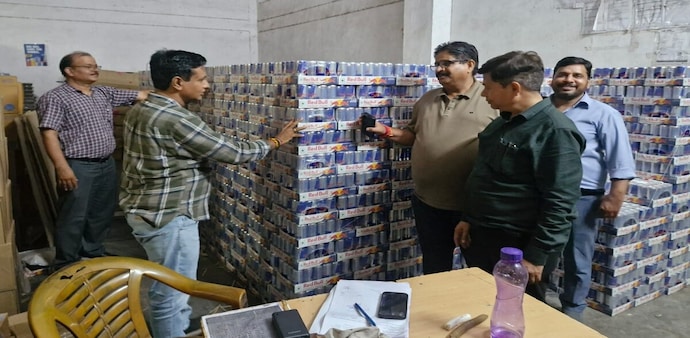
- Sep 28, 2026,
- Updated Sep 28, 2026 2:25 PM IST
Red Bull has approached the High Court against a Food Safety and Standards Authority of India (FSSAI) order asking it to remove the word “energy” from its drinks, The Economic Times reported on Monday.
The company says FSSAI did not issue a showcause notice or give it a chance to explain its side before passing the order.
During the hearing, the court asked FSSAI to check whether any notice had been issued to Red Bull before the order. The matter has been posted for hearing on Tuesday.
The case follows FSSAI’s July 1 order directing Red Bull, Sting, Adrenaline Rush, Campa Gold Boost, Hell Energy and Monster to remove the word “energy” from their labels, marketing and advertisements within 90 days.
The regulator said it does not recognise “energy drink” as a category because there are no defined category standards. It also raised concerns over claims such as “vitalises body and mind”, saying such claims could mislead consumers.
Don't Miss: Food companies urge Supreme Court to rethink red warning labels, cite confusion with non-veg mark
FSSAI has suggested that the products could instead be labelled as “caffeinated beverages”. However, industry representatives have opposed the nomenclature, arguing that the term is too broad and could cover products ranging from soft drinks to coffee, potentially confusing consumers.
The industry has also pointed to an April 2024 communication from FSSAI, which had permitted the use of the term “energy drinks” for products licensed as “caffeinated beverages”.
In 2016, FSSAI had set a maximum caffeine limit of 300 mg per litre for such drinks and made it mandatory for companies to disclose caffeine content on labels.
Beverage companies push back
The Indian Beverage Association (IBA), which counts Red Bull, PepsiCo and Reliance among its members, has sought a “consultative and risk-based approach before enforcement”.
The association has said companies should be given an opportunity to present their technical and legal positions before enforcement action is taken.
The regulatory move has also forced beverage companies to rework their packaging and advertising. PepsiCo has said it is dropping the word “energy” from Sting to comply with applicable regulatory requirements.
The dispute now centres on whether FSSAI followed due process in directing Red Bull to change its labels, as well as how the affected beverages should be classified and labelled going forward.
Red Bull has approached the High Court against a Food Safety and Standards Authority of India (FSSAI) order asking it to remove the word “energy” from its drinks, The Economic Times reported on Monday.
The company says FSSAI did not issue a showcause notice or give it a chance to explain its side before passing the order.
During the hearing, the court asked FSSAI to check whether any notice had been issued to Red Bull before the order. The matter has been posted for hearing on Tuesday.
The case follows FSSAI’s July 1 order directing Red Bull, Sting, Adrenaline Rush, Campa Gold Boost, Hell Energy and Monster to remove the word “energy” from their labels, marketing and advertisements within 90 days.
The regulator said it does not recognise “energy drink” as a category because there are no defined category standards. It also raised concerns over claims such as “vitalises body and mind”, saying such claims could mislead consumers.
Don't Miss: Food companies urge Supreme Court to rethink red warning labels, cite confusion with non-veg mark
FSSAI has suggested that the products could instead be labelled as “caffeinated beverages”. However, industry representatives have opposed the nomenclature, arguing that the term is too broad and could cover products ranging from soft drinks to coffee, potentially confusing consumers.
The industry has also pointed to an April 2024 communication from FSSAI, which had permitted the use of the term “energy drinks” for products licensed as “caffeinated beverages”.
In 2016, FSSAI had set a maximum caffeine limit of 300 mg per litre for such drinks and made it mandatory for companies to disclose caffeine content on labels.
Beverage companies push back
The Indian Beverage Association (IBA), which counts Red Bull, PepsiCo and Reliance among its members, has sought a “consultative and risk-based approach before enforcement”.
The association has said companies should be given an opportunity to present their technical and legal positions before enforcement action is taken.
The regulatory move has also forced beverage companies to rework their packaging and advertising. PepsiCo has said it is dropping the word “energy” from Sting to comply with applicable regulatory requirements.
The dispute now centres on whether FSSAI followed due process in directing Red Bull to change its labels, as well as how the affected beverages should be classified and labelled going forward.