
Red Fort: Why India’s Prime Minister hoists the national flag at Delhi’s iconic monument
The massive red sandstone walls of Lal Qila had served as the ultimate seat of power in Delhi for over three centuries. For India to mark the end of foreign dominance, it had to hoist its flag at the very epicenter where colonial power had once stripped the nation of its sovereignty.
- Aug 15, 2026,
- Updated Aug 15, 2026 3:39 PM IST
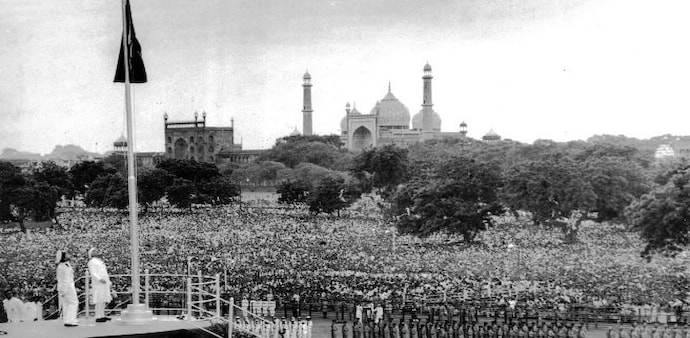
When Prime Minister Jawaharlal Nehru unfurled the tricolor above the Lahori Gate on August 16, 1947, he was not merely choosing a grand backdrop for a national ceremony. He was engineering a deliberate act of political reclamation.
The massive red sandstone walls of Lal Qila had served as the ultimate seat of power in Delhi for over three centuries. For India to mark the end of foreign dominance, it had to hoist its flag at the very epicenter where colonial power had once stripped the nation of its sovereignty.
Seat of imperial power
Commissioned by Mughal Emperor Shah Jahan between 1638 and 1648, the Red Fort was designed as the heart of imperial authority in the subcontinent. When the British Crown consolidated control over India following the Uprising of 1857, taking over the fort was the ultimate declaration of colonial hegemony.
The British converted its historic halls into army barracks and stripped away much of its inner glory. Consequently, reclaiming the fort in 1947 was essential to demonstrate that supreme political authority had returned to the Indian people.
The Uprising of 1857
During the 1857 War of Independence, Indian sepoys marched straight to the Red Fort to declare the aging Mughal Emperor Bahadur Shah Zafar as the symbolic leader of their rebellion. Although the British brutally suppressed the uprising, the event permanently transformed the fort in the national memory. It was no longer just a royal residence; it had become a rallying point for anti-colonial resistance.
The INA Trials (1945-1946)
In the final years of the freedom struggle, the British made a critical miscalculation by holding public court-martial trials of Indian National Army (INA) officers inside the Red Fort. The prosecution of Prem Sahgal, Gurbaksh Singh Dhillon, and Shah Nawaz Khan — three officers of different religious backgrounds — ignited massive public outrage across the country.
The Red Fort Trials united political factions and demonstrated that British control over the Indian armed forces was rapidly crumbling.
An enduring tradition
Hours after delivering his famous "Tryst with Destiny" speech in Parliament on the midnight of August 14-15, 1947, Nehru raised the national flag at the Red Fort on August 16. That singular event established an annual ritual. Every August 15, the sitting Prime Minister raises the national flag from the Lahori Gate, addressing the nation to reaffirm India's sovereignty, unity, and independence.
When Prime Minister Jawaharlal Nehru unfurled the tricolor above the Lahori Gate on August 16, 1947, he was not merely choosing a grand backdrop for a national ceremony. He was engineering a deliberate act of political reclamation.
The massive red sandstone walls of Lal Qila had served as the ultimate seat of power in Delhi for over three centuries. For India to mark the end of foreign dominance, it had to hoist its flag at the very epicenter where colonial power had once stripped the nation of its sovereignty.
Seat of imperial power
Commissioned by Mughal Emperor Shah Jahan between 1638 and 1648, the Red Fort was designed as the heart of imperial authority in the subcontinent. When the British Crown consolidated control over India following the Uprising of 1857, taking over the fort was the ultimate declaration of colonial hegemony.
The British converted its historic halls into army barracks and stripped away much of its inner glory. Consequently, reclaiming the fort in 1947 was essential to demonstrate that supreme political authority had returned to the Indian people.
The Uprising of 1857
During the 1857 War of Independence, Indian sepoys marched straight to the Red Fort to declare the aging Mughal Emperor Bahadur Shah Zafar as the symbolic leader of their rebellion. Although the British brutally suppressed the uprising, the event permanently transformed the fort in the national memory. It was no longer just a royal residence; it had become a rallying point for anti-colonial resistance.
The INA Trials (1945-1946)
In the final years of the freedom struggle, the British made a critical miscalculation by holding public court-martial trials of Indian National Army (INA) officers inside the Red Fort. The prosecution of Prem Sahgal, Gurbaksh Singh Dhillon, and Shah Nawaz Khan — three officers of different religious backgrounds — ignited massive public outrage across the country.
The Red Fort Trials united political factions and demonstrated that British control over the Indian armed forces was rapidly crumbling.
An enduring tradition
Hours after delivering his famous "Tryst with Destiny" speech in Parliament on the midnight of August 14-15, 1947, Nehru raised the national flag at the Red Fort on August 16. That singular event established an annual ritual. Every August 15, the sitting Prime Minister raises the national flag from the Lahori Gate, addressing the nation to reaffirm India's sovereignty, unity, and independence.