
Republic Day vs Independence Day: Why Jan 26 gets the grander celebration than Aug 15
While Independence Day is dominated by the Prime Minister’s address from the Red Fort, Republic Day is associated with a massive parade featuring the armed forces, military hardware, cultural tableaux and an elaborate ceremonial programme.
- Aug 15, 2026,
- Updated Aug 15, 2026 2:38 PM IST
Every year, August 15 and January 26 are marked as two of India’s biggest national occasions. Both involve the Tricolour, patriotic ceremonies and celebrations across the country. Yet there is a noticeable difference in the way they are observed.
While Independence Day is dominated by the Prime Minister’s address from the Red Fort, Republic Day is associated with a massive parade featuring the armed forces, military hardware, cultural tableaux and an elaborate ceremonial programme. So, why does Republic Day appear to be celebrated with greater pomp and pageantry?
The answer lies in what the two days represent.
August 15: The day India became independent
India became independent from British rule on August 15, 1947. The day marks the culmination of a long freedom struggle and the transfer of power from the British to an independent Indian government.
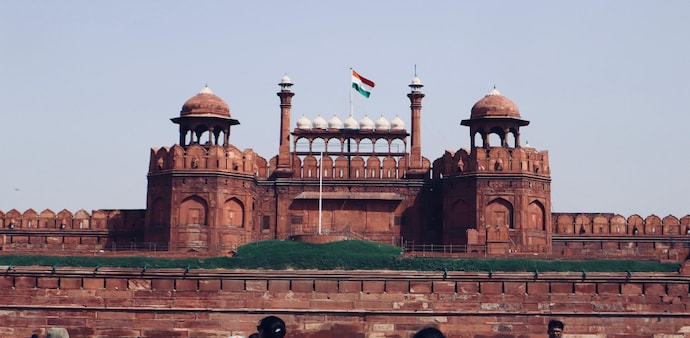
The central national ceremony takes place at the Red Fort in Delhi. The Prime Minister hoists the national flag, addresses the country and reflects on India's journey, achievements and challenges.
Independence Day is therefore primarily a celebration of freedom from colonial rule.
The occasion also carries a strong historical and emotional connection to the freedom movement and the sacrifices made by India's independence leaders and citizens.
January 26: The birth of the Republic
Republic Day marks a different milestone. On January 26, 1950, India's Constitution came into force and India became a republic. The country was no longer governed under the framework inherited from British rule; it formally began its journey as a sovereign democratic republic under its own Constitution.
That makes Republic Day a celebration not just of independence, but of the constitutional framework through which independent India governs itself.
Why January 26 has a bigger parade
The grand Republic Day parade is central to the occasion.
The ceremony showcases India's military strength, cultural diversity and constitutional identity. Armed forces personnel march through the capital, military equipment is displayed, and tableaux highlight India's states, Union Territories, culture and achievements.
The celebrations also traditionally include a foreign dignitary as the chief guest, giving Republic Day an important diplomatic dimension.
The ceremony is therefore designed as a broad showcase of India as a republic — its defence capabilities, diversity, democratic institutions and international relationships.
Freedom movement connection
January 26 has an important connection with India's independence struggle. On January 26, 1930, the Indian National Congress observed Purna Swaraj Day, marking the demand for complete independence from British rule.
When India's Constitution was adopted in 1949, January 26 was chosen as the date on which it would come into effect, linking the new Republic to the earlier Purna Swaraj declaration.
So, is Republic Day actually celebrated more? Not necessarily. The difference is largely in the nature of the official ceremonies.
Independence Day is centred on the memory of the freedom struggle, the achievement of independence and the Prime Minister's address from the Red Fort. Republic Day is structured as a formal state ceremony designed to display India's constitutional and national identity.
Every year, August 15 and January 26 are marked as two of India’s biggest national occasions. Both involve the Tricolour, patriotic ceremonies and celebrations across the country. Yet there is a noticeable difference in the way they are observed.
While Independence Day is dominated by the Prime Minister’s address from the Red Fort, Republic Day is associated with a massive parade featuring the armed forces, military hardware, cultural tableaux and an elaborate ceremonial programme. So, why does Republic Day appear to be celebrated with greater pomp and pageantry?
The answer lies in what the two days represent.
August 15: The day India became independent
India became independent from British rule on August 15, 1947. The day marks the culmination of a long freedom struggle and the transfer of power from the British to an independent Indian government.
The central national ceremony takes place at the Red Fort in Delhi. The Prime Minister hoists the national flag, addresses the country and reflects on India's journey, achievements and challenges.
Independence Day is therefore primarily a celebration of freedom from colonial rule.
The occasion also carries a strong historical and emotional connection to the freedom movement and the sacrifices made by India's independence leaders and citizens.
January 26: The birth of the Republic
Republic Day marks a different milestone. On January 26, 1950, India's Constitution came into force and India became a republic. The country was no longer governed under the framework inherited from British rule; it formally began its journey as a sovereign democratic republic under its own Constitution.
That makes Republic Day a celebration not just of independence, but of the constitutional framework through which independent India governs itself.
Why January 26 has a bigger parade
The grand Republic Day parade is central to the occasion.
The ceremony showcases India's military strength, cultural diversity and constitutional identity. Armed forces personnel march through the capital, military equipment is displayed, and tableaux highlight India's states, Union Territories, culture and achievements.
The celebrations also traditionally include a foreign dignitary as the chief guest, giving Republic Day an important diplomatic dimension.
The ceremony is therefore designed as a broad showcase of India as a republic — its defence capabilities, diversity, democratic institutions and international relationships.
Freedom movement connection
January 26 has an important connection with India's independence struggle. On January 26, 1930, the Indian National Congress observed Purna Swaraj Day, marking the demand for complete independence from British rule.
When India's Constitution was adopted in 1949, January 26 was chosen as the date on which it would come into effect, linking the new Republic to the earlier Purna Swaraj declaration.
So, is Republic Day actually celebrated more? Not necessarily. The difference is largely in the nature of the official ceremonies.
Independence Day is centred on the memory of the freedom struggle, the achievement of independence and the Prime Minister's address from the Red Fort. Republic Day is structured as a formal state ceremony designed to display India's constitutional and national identity.