
₹10,000, 10 quintals of straw and a big bet on mushrooms: How 2 brothers built a ₹3 crore business in Punjab
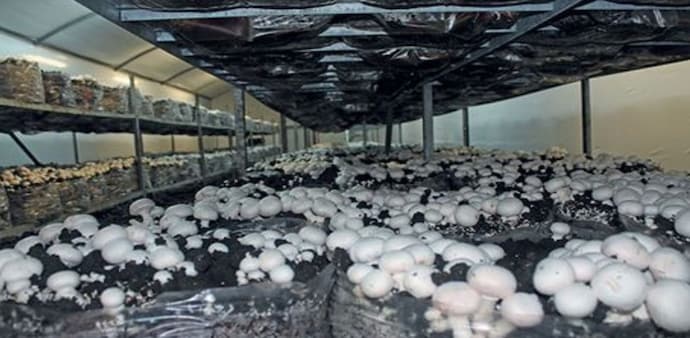
The family says its mushroom unit produces around 500 kg of fresh mushrooms and 500 kg of spawn every day.
- Aug 21, 2026,
- Updated Aug 21, 2026 9:30 AM IST
What started with ₹10,000 and 10 quintals of paddy straw has grown into a mushroom business earning more than ₹3 crore a year for two brothers in Punjab.
Sardar Sanjiv Singh, 59, and his brother Rajinder Singh, 55, began growing mushrooms in 1995 in Budhipind village under Dasuya. Nearly three decades later, their business has grown into a full-fledged agri-enterprise spread across about 1.5 acres and employing nearly 32 people, according to a report by The Indian Express.
The business now includes mushroom cultivation, a laboratory that produces mushroom spawn (seed), packing, marketing and training for farmers.
From ₹10,000 investment to ₹3 crore turnover
The family says its mushroom unit produces around 500 kg of fresh mushrooms and 500 kg of spawn every day. Together, these are worth around ₹95,000 daily.
The business now has an annual turnover of more than ₹3 crore, with a profit margin of around 15 per cent after expenses.
The family says this is more than 20 times the revenue it earns from its remaining roughly 15 acres, where it grows wheat, potato and paddy.
Don't Miss: India’s digital shopping story is reversing: Bill payments move back offline, shows study
“We now use nearly 4,000 quintals of paddy straw annually as the basic raw material for mushroom production,” said Sanjiv Singh.
Over the years, the brothers expanded the business and also began producing their own mushroom spawn.
“We prepare the Holland and US spawn varieties as we get the supply of cultivation materials from Holland and the US,” said Harmanpreet Singh, 29, son of Sanjiv Singh.
Son returns to join family business
Harmanpreet joined the family business after completing his BBA and receiving mushroom cultivation training in India and New Zealand.
Instead of taking up a regular job, he decided to return and work with his father. His involvement helped the family bring more organised management and marketing practices to the business, Sanjiv Singh said.
“The enterprise primarily produces button mushrooms, enabling year-round cultivation under controlled indoor conditions. Its products, including fresh mushrooms and mushroom spawn, are supplied through dealers to markets across Punjab, including Jalandhar, as well as Jammu and surrounding areas,” said Harmanpreet Singh.
Must Read: Sugar price surge: Govt allows 1 million tonne duty free imports ahead of festive season
Laboratory helps reduce outside dependence
The family set up its own laboratory for producing mushroom spawn in 2008. It was the first such laboratory in the state and helped reduce its dependence on outside suppliers.
“The unit has a production capacity of around 500 kg each of fresh mushrooms and mushroom spawn daily,” said Harmanpreet Singh, adding that the wholesale price of mushrooms and spawn varies according to market conditions and generally remains around ₹90-100 per kg.
Producing spawn involves preparing the growing medium under controlled conditions and carefully managing temperature, pH, moisture and sterilisation.
In the early years, the family put its mushroom income back into the business to expand operations and build proper indoor facilities.
Higher income from a smaller area
The family owns about 17 acres of agricultural land. Around 1.5 acres are used for the mushroom business and related infrastructure, while the remaining land is used to grow wheat, potato and paddy.
According to the family, traditional farming offered limited scope to increase income significantly. Mushroom cultivation gave them a way to earn more from a much smaller area while also creating jobs.
The mushroom enterprise received national awards in 2008 and 2015. It later received state-level recognition, including the Rattan-e-Bagwani award in 2021.
The family has also trained farmers interested in mushroom cultivation. The training covers growing-medium preparation, sterilisation, spawn production, temperature control, harvesting, grading, packing and marketing.
What started with ₹10,000 and 10 quintals of paddy straw has grown into a mushroom business earning more than ₹3 crore a year for two brothers in Punjab.
Sardar Sanjiv Singh, 59, and his brother Rajinder Singh, 55, began growing mushrooms in 1995 in Budhipind village under Dasuya. Nearly three decades later, their business has grown into a full-fledged agri-enterprise spread across about 1.5 acres and employing nearly 32 people, according to a report by The Indian Express.
The business now includes mushroom cultivation, a laboratory that produces mushroom spawn (seed), packing, marketing and training for farmers.
From ₹10,000 investment to ₹3 crore turnover
The family says its mushroom unit produces around 500 kg of fresh mushrooms and 500 kg of spawn every day. Together, these are worth around ₹95,000 daily.
The business now has an annual turnover of more than ₹3 crore, with a profit margin of around 15 per cent after expenses.
The family says this is more than 20 times the revenue it earns from its remaining roughly 15 acres, where it grows wheat, potato and paddy.
Don't Miss: India’s digital shopping story is reversing: Bill payments move back offline, shows study
“We now use nearly 4,000 quintals of paddy straw annually as the basic raw material for mushroom production,” said Sanjiv Singh.
Over the years, the brothers expanded the business and also began producing their own mushroom spawn.
“We prepare the Holland and US spawn varieties as we get the supply of cultivation materials from Holland and the US,” said Harmanpreet Singh, 29, son of Sanjiv Singh.
Son returns to join family business
Harmanpreet joined the family business after completing his BBA and receiving mushroom cultivation training in India and New Zealand.
Instead of taking up a regular job, he decided to return and work with his father. His involvement helped the family bring more organised management and marketing practices to the business, Sanjiv Singh said.
“The enterprise primarily produces button mushrooms, enabling year-round cultivation under controlled indoor conditions. Its products, including fresh mushrooms and mushroom spawn, are supplied through dealers to markets across Punjab, including Jalandhar, as well as Jammu and surrounding areas,” said Harmanpreet Singh.
Must Read: Sugar price surge: Govt allows 1 million tonne duty free imports ahead of festive season
Laboratory helps reduce outside dependence
The family set up its own laboratory for producing mushroom spawn in 2008. It was the first such laboratory in the state and helped reduce its dependence on outside suppliers.
“The unit has a production capacity of around 500 kg each of fresh mushrooms and mushroom spawn daily,” said Harmanpreet Singh, adding that the wholesale price of mushrooms and spawn varies according to market conditions and generally remains around ₹90-100 per kg.
Producing spawn involves preparing the growing medium under controlled conditions and carefully managing temperature, pH, moisture and sterilisation.
In the early years, the family put its mushroom income back into the business to expand operations and build proper indoor facilities.
Higher income from a smaller area
The family owns about 17 acres of agricultural land. Around 1.5 acres are used for the mushroom business and related infrastructure, while the remaining land is used to grow wheat, potato and paddy.
According to the family, traditional farming offered limited scope to increase income significantly. Mushroom cultivation gave them a way to earn more from a much smaller area while also creating jobs.
The mushroom enterprise received national awards in 2008 and 2015. It later received state-level recognition, including the Rattan-e-Bagwani award in 2021.
The family has also trained farmers interested in mushroom cultivation. The training covers growing-medium preparation, sterilisation, spawn production, temperature control, harvesting, grading, packing and marketing.